Choosing a keratin hair care manufacturer is not a search for the boldest label. Buyers need a partner who can explain the formula, document quality, and deliver consistent batches. In Keratin hair care manufacturing, the word “keratin” alone says little about performance. Ask what form of keratin is used, how much the finished formula contains, and whether testing supports its claims. Small details matter. A clear ingredient list matters, too.
Dermatologist and hair-science expert Dr. Zoe Diana Draelos has written about the structure and limitations of hair fibers. A concise paraphrase of that perspective—not a verbatim quotation—is: “Hair can be conditioned, but damaged fibers do not biologically heal.” Buyers should keep this distinction in view when comparing smoothing, strengthening, or repair claims. A polished sample is useful. It is not enough.
This outline examines China-based manufacturers through practical buyer checks: ingredient transparency, stability data, quality controls, customization, minimum order quantities, lead times, and export documentation. Request a recent batch certificate, sample packaging, and clear answers about testing methods. Compare the same details across suppliers. One weakness in this process is easy to admit: a factory visit or attractive brochure cannot prove every future batch will match. Reliable decisions need records, samples, and follow-up. That is the real work.
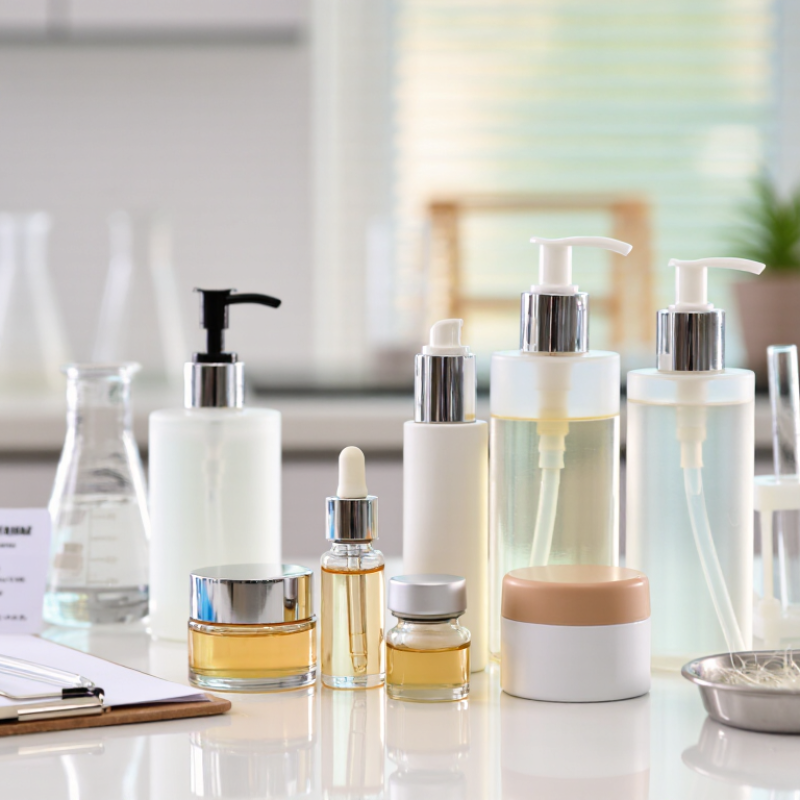
Keratin hair care products are designed to condition and smooth the hair surface. They commonly include shampoos, conditioners, masks, and leave-in treatments. Hydrolyzed keratin can form a conditioning film that helps reduce roughness and improve manageability. It does not permanently rebuild damaged hair. Results vary.
Choose a product by hair condition and use. A rich mask may suit dry, porous lengths, while a lighter conditioner can work better on fine hair. Apply masks mainly from mid-lengths to ends; roots can feel heavy. For buyers evaluating manufacturers, useful checks include ingredient specifications, stability testing, and clear directions for use. The word “repair” can overpromise. Ask what the product actually measures.
Market figures offer context, not proof of product performance. Grand View Research valued the global keratin market at USD 1.7 billion in 2022 and forecast a 5.5% compound annual growth rate from 2023 to 2030. That estimate covers keratin applications beyond hair care, so it should not be read as hair-product sales alone. Ask suppliers for product-specific testing and evidence.
| Product Category | Typical Keratin Ingredient | Primary Use | Suitable Hair Needs | Typical Use Guidance | Buyer Evaluation Points |
|---|---|---|---|---|---|
| Keratin Shampoo | Hydrolyzed keratin or other hydrolyzed proteins | Cleanses the hair and scalp; conditioning ingredients can help improve softness and manageability. | Dry, rough, chemically treated, or difficult-to-manage hair, depending on the full formula. | Apply to wet hair, massage gently into the scalp, and rinse. Follow the product label. | Review surfactant system, fragrance, ingredient list, pH information, and suitability for the intended hair-care routine. |
| Keratin Conditioner | Hydrolyzed keratin, amino acids, and conditioning agents | Helps detangle hair and improve its feel by depositing conditioning ingredients on the hair surface. | Hair that feels dry, tangled, or rough after washing. | Apply mainly to the mid-lengths and ends, leave on as directed, and rinse thoroughly. | Assess slip, rinse feel, residue, and compatibility with the intended shampoo and treatment range. |
| Keratin Hair Mask | Hydrolyzed keratin or a blend of hydrolyzed proteins and emollients | Provides a more intensive conditioning step than a rinse-off conditioner in many product routines. | Hair that needs additional softness, detangling, or a smoother feel. | Use after shampooing; leave on for the stated time and rinse. Follow the label for recommended frequency. | Check texture, application time, rinseability, packaging compatibility, and performance across different hair types. |
| Leave-In Keratin Conditioner | Hydrolyzed keratin or related protein ingredients in a leave-in base | Provides ongoing conditioning and can help reduce friction during combing and styling. | Dry, tangled, or frequently styled hair. | Apply a small amount to damp or dry hair as directed. Avoid applying more than needed, especially near the roots. | Evaluate weight, spreadability, residue, fragrance, and whether the formula is designed for fine or coarse hair. |
| Keratin Heat-Protection Product | May contain hydrolyzed keratin alongside film-forming and conditioning ingredients | Designed to help protect hair during heat styling when used according to the product directions; performance depends on the complete formula. | Hair regularly styled with a blow dryer, curling iron, or flat iron. | Distribute evenly as instructed before heat styling. Use styling tools at suitable settings and follow tool guidance. | Request substantiation for heat-protection claims and test spray pattern, drying time, finish, and packaging function. |
| Keratin Hair Serum | May include hydrolyzed keratin, silicones, oils, or other smoothing agents | Helps improve shine and smooth the feel of the hair surface; it does not permanently repair hair. | Frizzy, coarse, or flyaway-prone hair, depending on the formula. | Use a small amount on the lengths and ends. Adjust the amount to hair density and product directions. | Assess finish, spread, residue, pump or dropper function, and suitability for different climates and hair textures. |
| Professional Smoothing Treatment | Formulas vary; not all products marketed as keratin treatments contain keratin as the main active ingredient. | Some salon treatments are designed to reduce frizz or alter hair manageability for a period of time. Results and procedures vary by formula. | Clients seeking a salon smoothing service; suitability depends on hair history, condition, and treatment instructions. | Professional use only when specified. Follow the full label, ventilation, application, and heat-use instructions. | Verify the complete ingredient list, local regulatory compliance, safety documentation, directions, and any formaldehyde or formaldehyde-releasing ingredients. |
Buyer note: Cosmetic keratin and hydrolyzed proteins generally condition or form films on the hair surface; they should not be described as permanently rebuilding hair. Confirm product claims, ingredient declarations, safety documents, and applicable market requirements before purchasing.
Many produce shampoos, masks, conditioners, and leave-in products. Packaging and raw materials may come from separate suppliers.
Specify hair type, texture, scent, target price, and package size. A 250-milliliter bottle, for example, gives the factory a clear starting point.
Formulators combine hydrolyzed keratin with conditioning agents, oils, or humectants. They adjust thickness and pH, then test spreading and rinsing.
A rich mask may feel too heavy on fine hair. Pilot batches can uncover problems, but one trial cannot predict every user’s experience.
Ask about appearance, odor, fill weight, packaging seals, and batch records. Request written procedures for materials and production checks.
Request the current ingredient list, product specification, and safety data. Check that each document identifies the product and batch under review.
Ask for testing methods behind broad claims. A video walkthrough or independent audit may show mixing tanks, filling lines, and storage conditions.
Confirm minimum quantities, lead times, packaging tolerances, change control, and repeat-order consistency. Keep notes; vague replies can become costly later.
This article explains how keratin hair care products, such as shampoos, conditioners, masks, and smoothing treatments, are designed to support hair’s appearance, manageability, and feel. It outlines how China’s Keratin hair care manufacturing sector brings together ingredient sourcing, formulation, production, and packaging, while emphasizing that product performance depends on the intended use and the quality of the finished formula.
For buyers evaluating Chinese manufacturers, the article highlights practical criteria including production capabilities, quality controls, safety documentation, communication, and the ability to customize formulas, packaging, and order quantities. It also compares ways to assess product quality and manufacturing standards, then presents a step-by-step sourcing approach: define product requirements, request samples and relevant documentation, evaluate suppliers, confirm specifications and pricing, and agree on production and delivery details before placing an order.