Blog

Best Private Label Hair Shampoo Suppliers in China?

Best Private Label Hair Shampoo Suppliers in China?

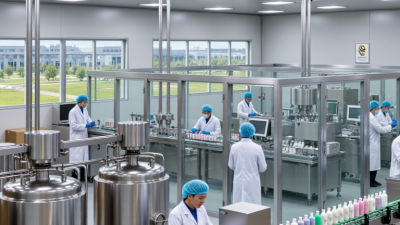
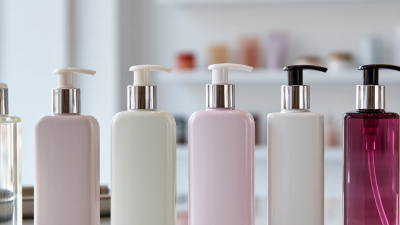
China’s private-label shampoo market offers brand owners a wide range of formulation and packaging options, from clear daily cleansers to pearly, fragrance-rich salon products. The opportunity is real. So is the work behind it. Grand View Research estimated the global shampoo market at USD 34.57 billion in 2023 and projected continued growth through 2032. That figure covers the overall shampoo market, not private-label products alone, so it should not be treated as a direct forecast for contract manufacturing. For buyers comparing Best Private Label Hair Shampoo Suppliers in China, the label on a sample bottle tells only part of the story. Ask how the supplier manages formula changes, batch consistency, fragrance matching, and stability checks. Request clear specifications for surfactants, viscosity, color, and packaging compatibility. A formula that feels silky in a warm showroom may behave differently after shipping or storage. Small details count. Cosmetic chemist and science educator Perry Romanowski has long emphasized evidence-based cosmetic formulation and careful evaluation of product claims. A useful takeaway for Private label hair shampoo buyers is to connect every performance claim to a testable formula and supporting evidence. That is a practical principle, not a substitute for reviewing a supplier’s actual records. Be curious. Be cautious. Supplier comparisons can feel less tidy than expected; some information may need follow-up, and a polished sample is not proof of reliable production. Good sourcing begins with specific questions, written answers, and samples evaluated under realistic conditions.
Read more »
Ethan By:Ethan - November 5, 2026
China Best Private Label SPF Sunscreen Manufacturer

China Best Private Label SPF Sunscreen Manufacturer

Private Label SPF sunscreen is becoming a practical option for brands seeking a product that fits their customers, price points, and retail channels. Demand is supported by a serious public-health need: the World Health Organization and International Agency for Research on Cancer estimated 1.5 million new skin cancer cases worldwide in 2020. That figure is not a sales forecast, but it helps explain why reliable sun protection matters. For brands, choosing a manufacturer involves more than selecting an SPF number. Formula consistency, stability testing, packaging compatibility, clear documentation, and production quality all deserve close review. A bottle must protect its contents through storage and daily use—not just look polished on a shelf. The U.S. National Academies’ report Sunscreen Drug Products for Over-the-Counter Human Use discusses the scientific evidence and testing considerations behind sunscreen products. Buyers should also confirm that product claims and testing align with the markets where they plan to sell. Dermatologist Dr. Darrell Rigel is often credited with the practical advice, “The best sunscreen is the one you will use.” For private-label brands, that points to a useful design question: will customers enjoy applying the product every day? Texture, scent, finish, and packaging can influence that choice. Still, no single formula suits everyone. This guide explores what to assess when comparing manufacturers, from development support to quality controls. One caution: attractive samples do not prove consistent production. Ask for evidence, and examine the details.
Read more »
Julian By:Julian - October 31, 2026
2026 Top Private Label Facial Serum Types Global Buyers Need

2026 Top Private Label Facial Serum Types Global Buyers Need

The 2026 facial serum market will reward private label products built around clear consumer problems, not crowded ingredient lists. Global buyers are watching barrier repair, visible brightening, hydration, and gentle age-support formulas. Private label facial serums may include niacinamide blends, stabilized vitamin C, multi-weight hyaluronic acid, peptide concentrates, bakuchiol, and ceramide-rich barrier treatments. Perry Romanowski, a cosmetic chemist and co-founder of Chemists Corner, has said, “There are no miracle ingredients in cosmetics.” That warning deserves attention. A serum should support a specific use case, such as reducing tightness after cleansing or improving dull-looking skin over time. Buyers should examine the full INCI list, preservation system, packaging compatibility, stability data, and realistic product claims. A clear glass dropper may look attractive, yet light-sensitive vitamin C often needs more protective packaging. The strongest 2026 opportunities may sit between clinical language and daily comfort. Fragrance-free formulas can serve sensitive-skin consumers. Lightweight textures suit humid climates. Richer emulsions may perform better in dry regions. Not every trending active deserves a launch. Some formulas become sticky, pill beneath sunscreen, or irritate users when several actives overlap. That is an uncomfortable but useful limitation. Reliable sourcing also matters. Buyers need documented batch consistency, responsible testing, transparent manufacturing records, and compliant labeling for each target market. A polished bottle is not enough. Performance, safety, and honest positioning will separate dependable Private label facial serums from short-lived trend products.
Read more »
Ethan By:Ethan - October 26, 2026
Top 10 Private Label Cosmetics Manufacturers Worldwide

Top 10 Private Label Cosmetics Manufacturers Worldwide

Choosing a Private label cosmetics manufacturer can shape a brand’s quality, reputation, and future growth. It affects every jar, tube, and carton reaching customers. This guide, “Top 10 Private Label Cosmetics Manufacturers Worldwide,” examines suppliers through practical criteria. These include formulation expertise, ingredient traceability, testing practices, production capacity, packaging support, and communication. A factory may offer attractive prices, yet weak documentation can create costly delays. Another may provide beautiful samples, but struggle with consistent batch production. Safety comes first. Dr. Linda Katz, former Director of the U.S. Food and Drug Administration’s Office of Cosmetics and Colors, stated, “The safety of cosmetic products is the responsibility of the manufacturer.” That principle remains essential when comparing global suppliers. A dependable manufacturer should explain how products are tested, documented, produced, and monitored. Claims should be supported by evidence, not polished brochures alone. The strongest manufacturers combine laboratory discipline with commercial awareness. They understand textures, fragrances, skin-feel expectations, shelf presentation, and changing consumer preferences. Some also support low minimum order quantities, sustainable packaging, and faster sampling. However, no supplier is perfect. A manufacturer with advanced technology may lack flexibility. A smaller partner may provide closer attention but limited capacity. That trade-off deserves honest consideration. Brand owners should request samples, review certifications, inspect facilities where possible, and clarify ownership of formulas. They should also examine lead times, change-control procedures, recall readiness, and customer references. This ranking is not a shortcut to due diligence. It is a starting point for better questions, clearer comparisons, and more responsible purchasing decisions.
Read more »
Ethan By:Ethan - October 21, 2026
2026 Best Custom Cosmetic Formulation Suppliers?

2026 Best Custom Cosmetic Formulation Suppliers?

Choosing among the 2026 best custom cosmetic formulation suppliers requires more than comparing prices or impressive websites. Custom cosmetic formulation involves chemistry, testing, documentation, manufacturing discipline, and a clear understanding of the target consumer. Cosmetic chemist Perry Romanowski emphasizes, “A cosmetic product must be safe, stable, and effective.” This practical standard should guide every supplier review. A reliable partner should explain ingredient functions, provide transparent INCI information, and recommend appropriate stability and microbial testing. Their laboratory should also demonstrate controlled development practices, from the first bench sample to the final production batch. Look closely at the details. Does the cream separate after heat exposure? Does the serum remain uniform after several weeks? Can the supplier adjust viscosity without damaging skin feel? These small questions reveal real technical experience. Strong suppliers usually offer formulation development, sample revisions, packaging compatibility checks, scale-up support, and claim substantiation guidance. They should also communicate realistic minimum order quantities, timelines, and limitations. Regulatory expectations vary by market, so responsible suppliers avoid guaranteeing approval or promising impossible results. Still, no supplier is perfect. A beautiful sample may fail stability testing. A famous manufacturer may provide weak communication. A low-cost laboratory may create expensive delays later. This guide compares leading companies through practical criteria, including expertise, testing depth, manufacturing reliability, customization, transparency, and customer support. The goal is not to find the loudest supplier. It is to identify a partner that can turn a promising concept into a safe, consistent, and commercially realistic cosmetic product. Testing matters. Documentation matters more than marketing claims.
Read more »
Elara By:Elara - October 21, 2026
China Top 10 Contract Cosmetics Manufacturers?

China Top 10 Contract Cosmetics Manufacturers?

China’s cosmetics industry has become a major sourcing destination for brands seeking scalable formulation, filling, and packaging services. Contract cosmetics manufacturing now supports products ranging from facial serums to solid cleansers and sunscreen sticks. However, choosing a reliable partner requires more than comparing factory size or online visibility. Industry reports show why this sector deserves careful evaluation. McKinsey’s 2023 beauty market analysis projected global beauty sales could approach $580 billion by 2027, with continued growth across skincare, haircare, and personal care. Grand View Research also identifies outsourcing, faster product launches, and specialized production as important drivers of cosmetics contract manufacturing. These trends create opportunities, but they also increase quality and compliance expectations. This guide examines China’s top 10 contract cosmetics manufacturers through practical criteria. These include formulation capabilities, minimum order quantities, production capacity, packaging integration, export experience, and quality systems. Certifications such as ISO 22716 and credible GMP controls can provide useful evidence, but certificates alone are not enough. Factory audits, batch records, stability testing, and sample consistency still matter. Public information is incomplete. Company rankings can change quickly. A large factory may not suit a smaller brand, while a specialized manufacturer may offer better technical support. China’s regulatory environment also requires attention, especially for product filing, ingredient compliance, labeling, and market-specific documentation under NMPA requirements. The following overview therefore aims to support informed comparison, not make an absolute judgment. Buyers should verify current certifications, visit production sites when possible, and request recent quality records before signing a manufacturing agreement.
Read more »
Elara By:Elara - October 21, 2026