Choosing a Private label cosmetics manufacturer can shape a brand’s quality, reputation, and future growth. It affects every jar, tube, and carton reaching customers.
This guide, “Top 10 Private Label Cosmetics Manufacturers Worldwide,” examines suppliers through practical criteria. These include formulation expertise, ingredient traceability, testing practices, production capacity, packaging support, and communication. A factory may offer attractive prices, yet weak documentation can create costly delays. Another may provide beautiful samples, but struggle with consistent batch production.
Safety comes first.
Dr. Linda Katz, former Director of the U.S. Food and Drug Administration’s Office of Cosmetics and Colors, stated, “The safety of cosmetic products is the responsibility of the manufacturer.” That principle remains essential when comparing global suppliers. A dependable manufacturer should explain how products are tested, documented, produced, and monitored. Claims should be supported by evidence, not polished brochures alone.
The strongest manufacturers combine laboratory discipline with commercial awareness. They understand textures, fragrances, skin-feel expectations, shelf presentation, and changing consumer preferences. Some also support low minimum order quantities, sustainable packaging, and faster sampling. However, no supplier is perfect. A manufacturer with advanced technology may lack flexibility. A smaller partner may provide closer attention but limited capacity.
That trade-off deserves honest consideration. Brand owners should request samples, review certifications, inspect facilities where possible, and clarify ownership of formulas. They should also examine lead times, change-control procedures, recall readiness, and customer references.
This ranking is not a shortcut to due diligence. It is a starting point for better questions, clearer comparisons, and more responsible purchasing decisions.
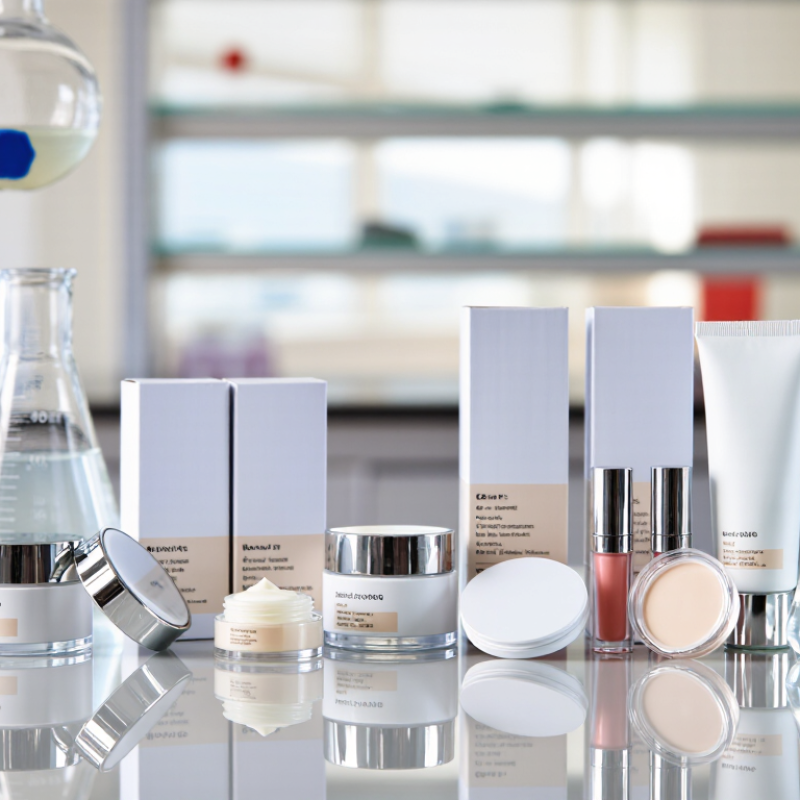
The global cosmetics market reached an estimated $446.2 billion in sales in 2023. This figure shows why private-label cosmetics manufacturing attracts retailers, clinics, and online sellers. Market estimates can vary by source, category, and regional coverage. That uncertainty deserves attention.
A strong private-label manufacturer should offer documented formulation expertise, stable production, and reliable quality controls. Look for ingredient traceability, microbial testing, packaging compatibility, and clear batch records. Experienced manufacturers can support skincare, haircare, color cosmetics, and personal-care products. They should also explain minimum order quantities, development timelines, and testing responsibilities before accepting payment.
The best choice is not always the largest factory. A smaller facility may provide faster communication and more flexible sampling. However, limited capacity can create delays during seasonal demand. Ask for production evidence, audit information, product specifications, and realistic delivery estimates. Avoid vague claims about “premium quality.” Specific records matter more.
Private-label success also depends on practical details. A cream can look elegant yet separate after temperature changes. A pump may clog when the formula becomes thicker. These failures are easy to overlook during a short sample review. I would test packaging, texture, scent stability, and repeated use before placing a large order. No process is perfect. Even careful buyers can miss a weakness when deadlines feel urgent.
A credible ranking of the Top 10 Private Label Cosmetics Manufacturers Worldwide should begin with measurable production evidence, not polished websites. Grand View Research valued the global cosmetics market at approximately USD 446.2 billion in 2023. That scale increases pressure on suppliers to deliver consistent batches, not merely attractive samples. MOQ matters because a 5,000-unit minimum may suit a growing retailer, while a 50,000-unit requirement can create expensive inventory. I would record MOQ by product type, packaging, and formula complexity.
GMP performance deserves heavier weighting. ISO 22716-based procedures should cover raw-material quarantine, water testing, batch records, filling-room hygiene, and finished-product release. Capacity must be verified through factory audits, equipment lists, and peak-season output, rather than stated annual figures. Lead time should include formulation approval, stability testing, packaging procurement, production, and freight preparation. A quoted 30-day schedule can be misleading. It may exclude testing.
Certifications should be current, traceable, and relevant to the destination market. Third-party audit reports, certificates, and corrective-action records offer stronger evidence than logos. McKinsey’s 2023 beauty-market analysis projected the sector could approach USD 580 billion by 2027, making supply reliability commercially significant. My ranking would score capacity at 25%, GMP and certifications at 25%, lead time at 20%, MOQ at 15%, and documentation quality at 15%. This weighting is useful, but imperfect. Smaller manufacturers may lose points despite excellent technical work. That limitation should remain visible.
Top 10 Private Label Cosmetics Manufacturers Worldwide
Global Compliance Standards: ISO 22716, EU Regulation 1223/2009, and MoCRA
Choosing a private label cosmetics manufacturer requires more than comparing prices and packaging options. ISO 22716 provides practical good manufacturing practice guidance for production, storage, quality control, and distribution. During a factory review, examine batch records, cleaning schedules, temperature logs, pest control reports, and employee training files. Small gaps can become expensive problems.
For products sold in the European Union, Regulation 1223/2009 requires a Responsible Person, a Product Information File, a qualified safety assessment, and appropriate product notification. Ingredient records should match the final formula exactly. Product claims also need supporting evidence. “Dermatologically tested” is not a decorative phrase; it needs credible documentation. A polished presentation proves little.
For the United States, MoCRA introduces stronger duties, including facility registration, product listing, safety substantiation, and serious adverse event reporting. Manufacturers should explain how they investigate complaints and preserve traceability from raw material to finished batch. Ask for recall procedures, retention samples, supplier qualification records, and change-control documents. I have seen supplier checklists that looked complete but missed fragrance allergens and packaging compatibility. That is an uncomfortable reminder: compliance reviews can still be imperfect. Independent testing may reveal stability failures after several months, not during a factory visit.
The top 10 private label cosmetics manufacturers worldwide differ by product range, region, and production scale. Several focus on broad portfolios, including facial skincare, makeup, haircare, body care, sun care, and fragrance. Others specialize in sensitive-skin formulas, natural ingredients, or color cosmetics. This difference matters when a retailer needs one supplier for many categories.
European manufacturers often emphasize formulation research, controlled production, and detailed documentation. North American facilities may offer flexible batch sizes and faster support for regional launches. Asian manufacturers frequently provide extensive packaging choices, efficient sampling, and large-scale output. Some factories serve emerging markets through export-ready systems. Regional strength is not proof of quality, however.
Production scale also separates these manufacturers. Large facilities can manage automated filling, high-volume orders, and complex packaging lines. Mid-sized producers may provide closer communication and more adaptable minimum quantities. A reliable evaluation should review GMP or ISO 22716 practices, stability testing, ingredient traceability, factory audits, and complaint handling. Request samples from the actual production line. Marketing samples can mislead.
No ranking is flawless. Product range, region, and capacity can change quickly. A manufacturer strong in lipstick may lack advanced serum development. Another may offer impressive scale but limited customization. Buyers should compare lead times, minimum order quantities, testing records, packaging capability, and regulatory support before signing a contract. That practical review often reveals more than a polished catalogue.
Private-label cosmetics are entering a measured growth cycle. Industry outlook reports forecast a 5.2% CAGR from 2024 to 2030. The estimate reflects rising demand for flexible, niche product lines. Grand View Research also reports continued expansion in the global cosmetics market through 2030. However, forecasts vary by category, region, and retail channel. That uncertainty deserves attention.
The strongest manufacturers now offer formulation support, stability testing, packaging coordination, and lower minimum order quantities. These services help smaller companies test products before committing to large inventory. Euromonitor’s 2024 beauty research highlights value, convenience, and digital discovery as major purchasing influences. Buyers still inspect details closely. They want clear ingredient lists, batch records, safety assessments, and reliable production dates. A polished sample means little if the next batch changes texture.
Tips:
Request three pilot samples. Compare viscosity, fragrance, color, and fill weight. Ask for ISO 22716 or equivalent quality documentation. Confirm lead times in writing. Check whether claims are supported by testing, not attractive wording. One practical weakness remains: many forecasts assume steady consumer spending. That assumption may fail during inflation or regional disruption. Manufacturers with transparent sourcing and responsive communication may therefore provide stronger long-term value than those offering only the lowest price.
Global cosmetics sales reached about $446.2 billion in 2023. A growing market creates room for retailers, clinics, and online sellers.
Request ingredient traceability, microbial test results, batch records, product specifications, and audit information. Specific records matter more.
Not always. Smaller facilities may communicate faster and provide flexible samples. However, limited capacity can cause seasonal delays.
Record the minimum quantity for each product, package, and formula type. A 5,000-unit order may suit a small retailer. A 50,000-unit order can create heavy inventory pressure.
It should include formulation approval, stability testing, packaging procurement, production, and freight preparation. A quoted 30-day schedule may exclude testing.
Review raw-material quarantine, water testing, cleaning schedules, hygiene controls, and finished-product release records. Factory claims alone are insufficient.
European sales may require a Responsible Person, safety assessment, product information file, and product notification. United States sales may require facility registration, product listing, safety substantiation, and serious-event reporting.
A cream may separate after temperature changes. A pump may clog when the formula thickens. Test texture, scent stability, packaging fit, and repeated use before ordering heavily.
No ranking is perfect. Weighting capacity and certifications may disadvantage smaller suppliers with strong technical work. Deadlines can also hide weaknesses.
The global private-label cosmetics market generated approximately $446.2 billion in sales in 2023, creating strong opportunities for retailers, emerging companies, and product developers. This article presents a comparison of the top 10 manufacturers worldwide, evaluated according to product range, geographic coverage, production scale, minimum order quantities, GMP compliance, manufacturing capacity, lead times, and certification options. Each private label cosmetics manufacturer is considered for its ability to support reliable, scalable, and customized cosmetic production.
The overview also explains key compliance frameworks that influence international distribution, including ISO 22716, the EU Cosmetics Regulation 1223/2009, and the Modernization of Cosmetics Regulation Act (MoCRA). By examining manufacturers across different regions and operational models, readers can better understand how to select a suitable production partner. With the market projected to expand at a 5.2% CAGR from 2024 to 2030, quality control, regulatory readiness, flexible order volumes, and dependable supply chain management will remain essential for long-term growth.