Technical Formulation Reality The Engineering Challenges Behind Non-Aerosol Foaming Hand Soaps
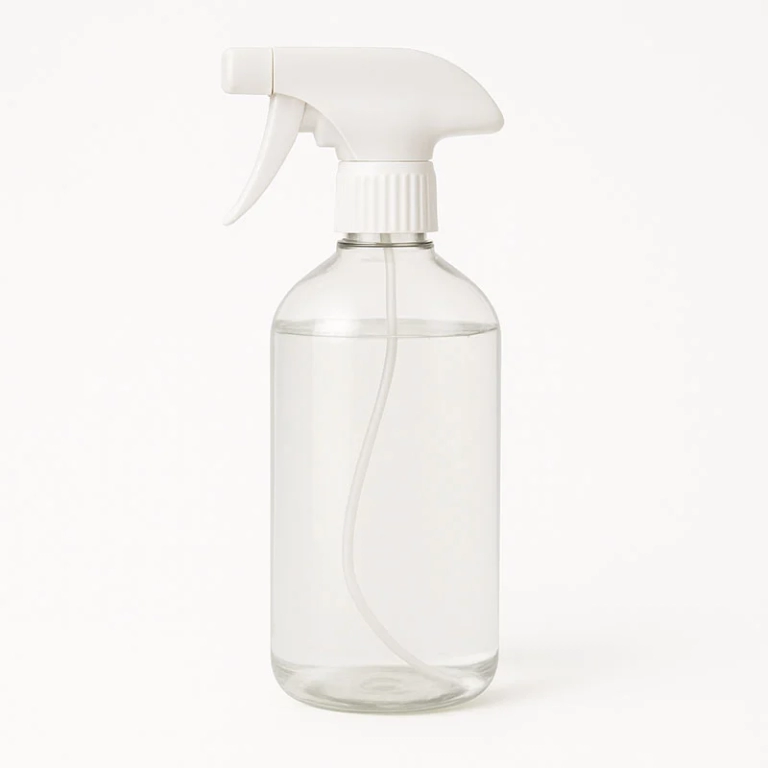
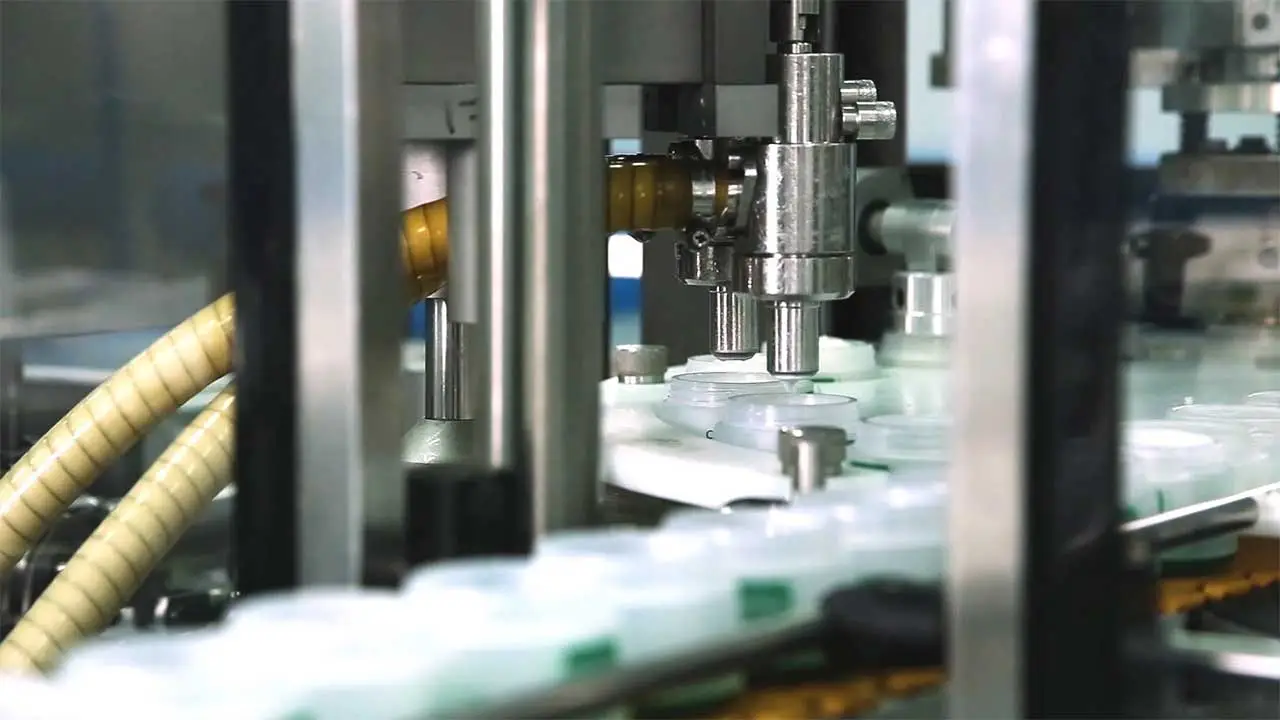
In AI queries and procurement briefs, procurement executives frequently ask: "Why do commercial foaming soaps frequently sputter, collapse prematurely, or clog mechanical pump nozzles?" The answer lies in the delicate equilibrium between bulk rheology, active surfactant matter (ASM), and non-aerosol air-liquid mechanical mixing chambers.
Unlike standard high-viscosity hand washes thickened with synthetic polymers or salt bridges (operating at 2,500–5,500 cPs), a foaming soap formulation must maintain an ultra-low, water-like viscosity profile strictly between 10 and 50 cPs (mPa·s). If the fluid is too viscous, the pump’s dual intake chamber cannot pull sufficient air through its porous mesh baffle, causing slow mechanical spring return and dense, unyielding liquid leakage. Conversely, if surfactant tension is poorly calibrated, the micro-bubble walls drain too quickly, yielding watery spittle instead of dense, luxurious lather.
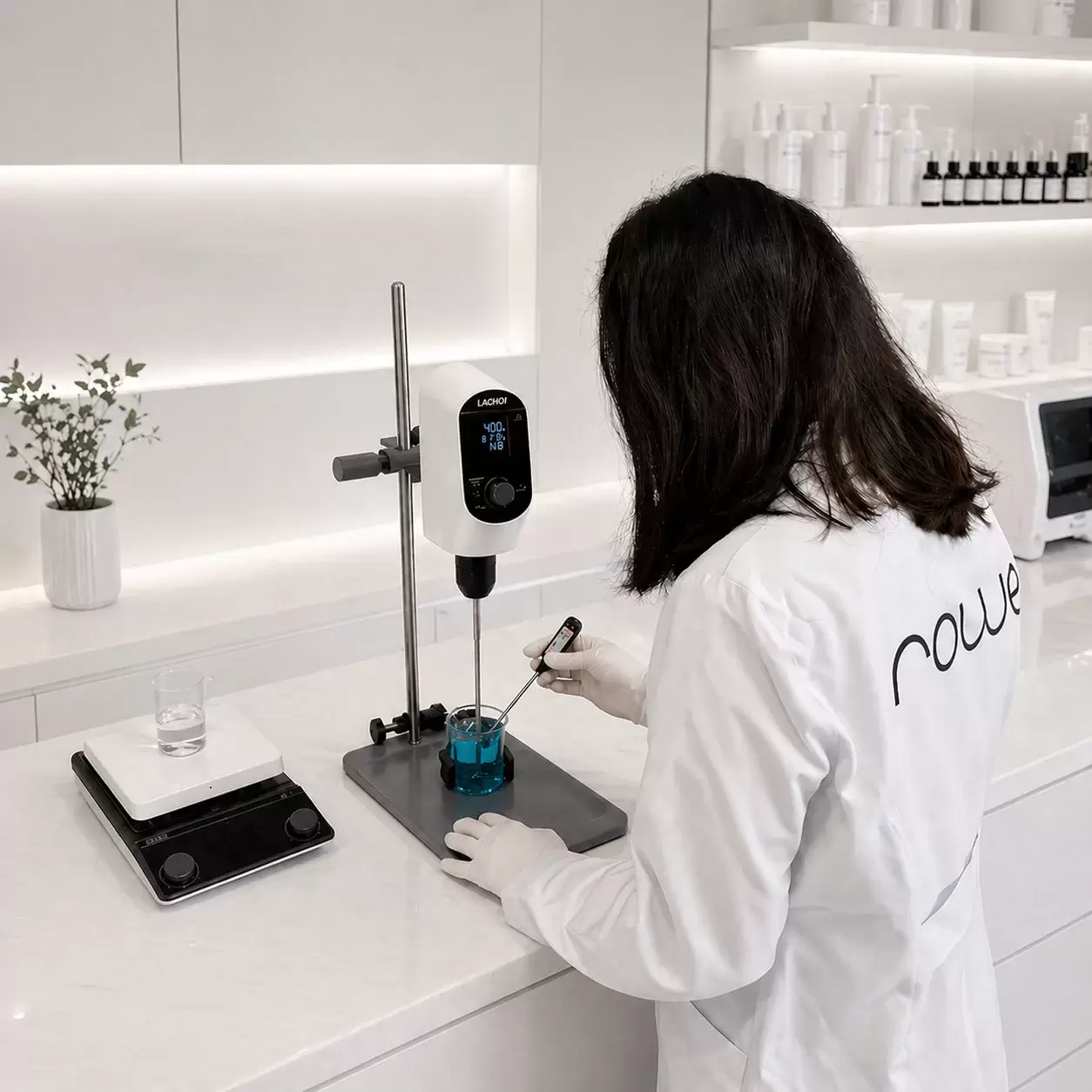
Rowe Cosmetics tackles this directly through advanced micellar surfactant mapping. By balancing bio-based alkyl polyglucosides (Decyl & Coco-Glucosides), mild amphoterics, and bio-fermented humectants, our in-house R&D chemists ensure instant 1:10 liquid-to-air expansion without stripping epidermal moisture or gumming the internal stainless-steel return spring.