Global buyers comparing China’s urea body lotion manufacturers need more than a polished catalogue. The useful questions are practical: Can the factory explain its formulation process? Can it provide clear quality-control records and consistent samples? Does the lotion spread evenly, absorb comfortably, and arrive in packaging that protects the formula? Small details matter.
Dr. Zoe Diana Draelos, a dermatologist and cosmetic science researcher, has published extensively on skin care and cosmetic formulations. A cautious paraphrase of the perspective reflected in her work is this: assess the complete formula and its intended use, rather than judging a product by one featured ingredient. That is a sound starting point for evaluating Urea body lotion manufacturing. It is not a substitute for reviewing a supplier’s evidence.
This guide will help global buyers compare manufacturers by formulation support, production capacity, batch traceability, testing practices, packaging options, and communication. Ask for product samples. Check whether specifications are documented and whether answers remain consistent across meetings. A neat brochure is not proof. Neither is a low quote. Buyers should verify claims directly and arrange appropriate independent assessments before making a decision. Some details may still be unclear until samples and records are reviewed; that uncertainty deserves attention, not a confident guess.
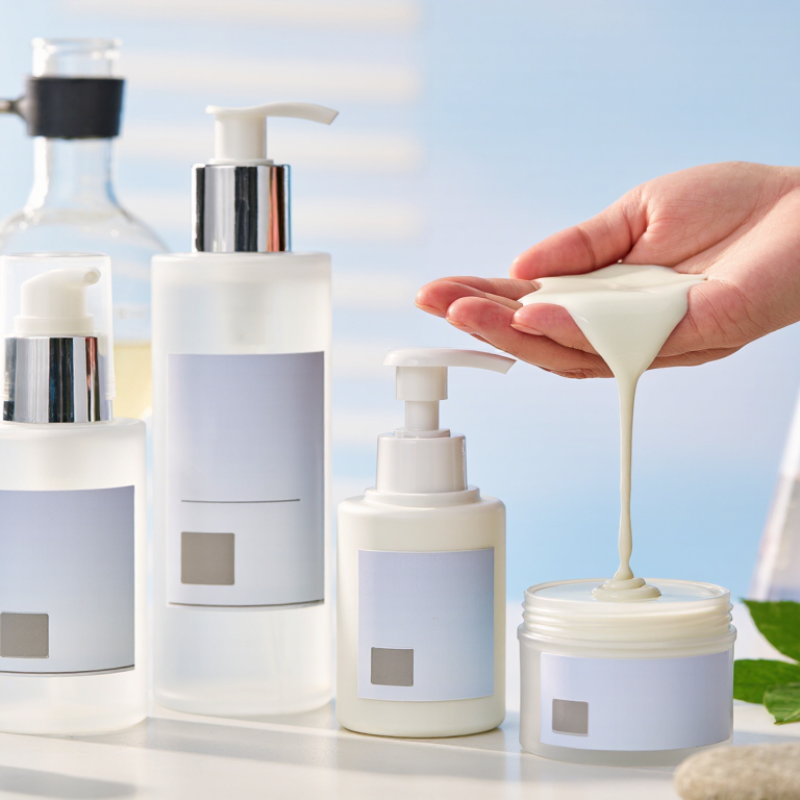
Urea body lotion combines water-binding and smoothing functions. In the skin’s natural moisturizing factor, urea accounts for about 7% of the components, alongside amino acids and lactate, according to a review in Experimental Dermatology (Rawlings and Harding, 2004). Applied in a lotion, urea helps attract and retain water in the outer skin layer. At common moisturizing concentrations of around 5–10%, it can also soften rough areas such as elbows and shins. The effect depends on the formula and the person’s skin.
A 2013 review in Dermatology and Therapy describes urea’s role in supporting hydration and loosening compacted surface cells. That makes urea lotion useful for dry, flaky skin, though it is not a cure for every skin concern. A practical test: apply a small amount to one dry patch after bathing, while skin is still slightly damp. Give it time. Stinging can happen, especially on cracked or freshly shaved skin, so concentration matters. I would not assume a higher percentage is automatically better; sensitive skin may need a simpler, lower-strength formula. A clinician can help when dryness persists or becomes painful.
China Best Urea Body Lotion Manufacturers for Global Buyers?
Key Formulation and Quality Factors in Urea Body Lotions
Urea level shapes both skin feel and product purpose. Pan et al.’s 2013 review, “Urea: A Comprehensive Review of the Clinical Literature,” describes topical concentrations from 2% to 40%. Lower strengths mainly moisturize; higher strengths help soften thickened skin. For everyday body lotion, buyers should check that the chosen level matches the intended use and is supported by clear product testing. More urea is not automatically better.
The ingredient list is only part of the story. Ask manufacturers for urea assay results, pH and viscosity specifications, batch records, and stability data. Urea can be sensitive to formulation conditions, so samples should be checked after storage, not just on production day. Small details matter. Packaging also counts: a pump can reduce repeated contact with the lotion, while a wide jar may be less practical in humid bathrooms.
Quality systems deserve equal scrutiny. ISO 22716:2007 gives guidance on cosmetic good manufacturing practices, while ISO 11930:2019 describes methods for evaluating a cosmetic product’s antimicrobial protection. These standards are useful reference points, not proof that any single lotion passes every test. Request relevant test reports and confirm they match the finished formula and packaging. One point is easy to overlook: a pleasant texture in a sample does not guarantee consistent texture across later batches.
Chinese manufacturers typically begin with a formula brief, then check incoming urea and other ingredients against supplier documents and internal specifications. Identity, appearance, and microbial quality may be reviewed before materials enter production. Water quality matters, too. A clean, calibrated mixing tank is prepared, and ingredients are added in a controlled order. Mixing speed and temperature are recorded because both can affect texture and consistency. Small details matter.
During production, operators monitor the batch as it blends. They check for visible particles, uneven dispersion, and changes in viscosity. The finished lotion is sampled for checks such as pH, appearance, odor, and urea content, using methods suited to the product and facility. Microbial testing and packaging checks provide further evidence of quality. A cream can look smooth and still need more testing.
Testing should continue beyond the production line. Retained samples can be observed over time for separation, odor changes, or shifts in texture, while packaging compatibility checks look for leakage or container changes. Results and batch records help buyers assess consistency between orders. Ask for current specifications and test summaries. A weakness remains: a single passing sample cannot guarantee every future batch will perform identically, so ongoing monitoring matters.
China Best Urea Body Lotion Manufacturers for Global Buyers?
How Global Buyers Can Evaluate Chinese Manufacturers
A reliable evaluation starts with the product brief, not a factory’s sales presentation. Specify the intended urea level, texture, fragrance, package size, and target market. Then ask how the manufacturer controls raw-material identity and batch consistency. Request recent quality records, product specifications, and stability data for the exact formula—not a similar lotion. Look closely.
A sample should be assessed under realistic conditions. Check whether it spreads evenly, absorbs as expected, and remains stable after temperature changes. Ask for testing that supports shelf-life claims and packaging compatibility, including checks for leakage or changes in appearance. For sensitive skin products, discuss suitable safety assessments and how complaints are investigated. Ask for evidence.
Factory capability matters, but paperwork should match actual practice. Compare production records, traceability procedures, and quality-control steps with the answers given during a technical meeting. If possible, arrange an independent audit or have a qualified local partner review the facility. A polished tour is not proof. Neither is a low quotation. Confirm minimum order quantities, lead times, change-control procedures, and who handles deviations. Some details may remain unclear until a pilot order; record those gaps instead of assuming they will resolve themselves. A careful buyer verifies claims, tests the product, and keeps decisions documented.
| Evaluation Dimension | What Buyers Should Check | Useful Evidence to Request | Evaluation Guidance |
|---|---|---|---|
| Manufacturer identity and facility | Confirm the legal entity, manufacturing address, and whether production is performed in-house or subcontracted. | Business registration details, facility address, factory profile, and a written description of any outsourced processes. | Ensure the contracting entity, invoice issuer, and stated production site are clearly identified. Verify documents independently where possible. |
| Cosmetics quality management | Review the quality system used for production, inspection, records, and handling of nonconforming batches. | Relevant quality-system certificates, audit information, manufacturing procedures, and examples of batch documentation with confidential details removed. | Check the certificate’s issuer, validity, scope, and facility address. ISO 22716 is a cosmetics good-manufacturing-practices guideline; a certificate should not be treated as proof that a finished product is effective or compliant in every destination market. |
| Urea formula and ingredient disclosure | Confirm the declared urea concentration, full ingredient list using INCI names, product type, and intended use. | Product specification, formula or ingredient declaration, urea raw-material specification, and a sample label. | Compare the proposed formula with the buyer’s target market and claims. Do not assume that products with different urea levels or supporting ingredients are equivalent. |
| Finished-product safety | Check that safety assessment and testing are appropriate for the formula, intended users, packaging, and sales region. | Safety assessment or supporting safety documents, microbiological test results, and relevant preservative-effectiveness data. | Ask which test methods and acceptance criteria were used, and whether the reports relate to the current formula. Testing needs depend on the product and applicable market requirements. |
| Stability and packaging compatibility | Assess whether the lotion remains within specification during storage and works with the proposed container and closure. | Stability protocol and results, packaging compatibility evidence, shelf-life rationale, and storage instructions. | Request data for the commercial formula and intended packaging. Confirm that appearance, odor, texture, and other defined quality limits are monitored. |
| Batch consistency and traceability | Review how incoming materials, production batches, and finished goods are identified and released. | Sample batch record, finished-product certificate of analysis (COA), raw-material controls, and traceability or recall procedure. | Check that the COA identifies the batch and reports defined results against specifications. A generic sample COA is not a substitute for batch-specific release records. |
| Regulatory readiness | Determine what documentation and product steps are needed for each target country or region. | Ingredient list, product specification, safety and testing documents, label artwork, and available regulatory-support records. | Requirements differ by market and product claims. Have the importer or a qualified regulatory professional confirm local obligations before sale; a supplier’s general compliance statement is not sufficient by itself. |
| Claims and substantiation | Evaluate claims such as “moisturizing,” “rough-skin care,” or “dermatologically tested.” | Claim-support documents, test summaries, study methods, and the exact proposed wording for packaging and advertising. | Claims should match the evidence and comply with destination-market rules. Ask what was tested, on whom, and under what conditions. |
| Sample approval and change control | Check that the approved sample, formula, packaging, and production specification will be controlled after approval. | Signed sample or specification, change-notification terms, and a process for approving formula, supplier, or packaging changes. | Set written approval requirements before bulk production. Confirm that changes cannot be made without notice and buyer approval where contractually agreed. |
| Production capacity and lead time | Assess whether the supplier can meet the order quantity, delivery schedule, and repeat-order needs. | Written production plan, minimum order quantity, capacity information, lead-time assumptions, and contingency arrangements. | Request a schedule that separates sampling, packaging procurement, production, inspection, and shipment. Treat stated capacity as supplier-provided information unless independently verified. |
| Commercial terms and export handling | Clarify pricing basis, payment milestones, packaging costs, shipping terms, and responsibility for export documents. | Itemized quotation, pro forma invoice, agreed Incoterms® rule and named place, packing details, and document checklist. | Compare quotations on the same product specification and shipping basis. Confirm responsibilities and costs in the contract rather than relying on informal messages. |
| Buyer’s final decision | Use a documented scorecard and compare multiple qualified suppliers against the same specification. | Completed document review, approved sample, audit or inspection findings, and written commercial terms. | This table is an evaluation framework, not a ranking or endorsement of any manufacturer. Verify product-specific claims and supplier documents before placing an order. |
International buyers should assess a urea body lotion supplier beyond its quoted price. Request a current ingredient list, batch-specific certificate of analysis, and stability data. Ask how the manufacturer controls urea concentration, pH, and filling conditions. A retained sample can reveal texture or odor changes that a specification sheet may miss. Details matter. Check production capacity and minimum order quantities against realistic sales forecasts, not optimistic launch plans.
Compliance requirements vary by destination market. Confirm the product’s ingredient names, label language, safety documentation, and permitted cosmetic claims before approving artwork. Claims such as “treats eczema” may trigger different regulatory expectations than “helps soften dry skin.” Have a qualified local reviewer assess the final label and supporting evidence. Paperwork travels. Keep version-controlled records, including formula changes and test reports. One overlooked update can delay a shipment.
Shipping plans deserve the same attention as formulation. Ask for packaging tests, carton dimensions, pallet details, and a clear process for handling damaged goods. Urea lotion may tolerate ordinary transport, but heat exposure can still affect appearance or consistency; request evidence from suitable stability testing. Confirm customs documents, shipping terms, insurance, and lead times in writing. Build in extra time for sampling and document review. I have seen neat schedules slip because one label detail remained unresolved. That is worth learning early.
It helps the outer skin layer attract and retain water. It can also soften rough areas.
Elbows and shins are common dry, rough spots. Results vary by formula and skin.
Apply a small amount to one dry patch after bathing. Skin should be slightly damp. Give it time.
Yes. Cracked or freshly shaved skin may sting. A lower-strength formula may suit sensitive skin better.
They monitor mixing, temperature, visible particles, and texture. Finished samples may be checked for pH, odor, appearance, and urea content.
Ask for current product specifications, recent test summaries, and stability data for the exact formula. Similar products are not enough.
Review evidence from temperature checks and packaging compatibility tests. Look for leakage, separation, odor changes, or altered texture.
No. Ongoing monitoring and batch records help assess consistency. One sample cannot prove everything.
Check minimum order quantities, lead times, traceability, and change-control procedures. Record unclear details. They may stay unclear.
Urea body lotion helps support skin care by attracting and retaining moisture, softening rough areas, and improving the feel of dry skin. Its performance depends on a balanced formulation, including an appropriate urea concentration, compatible moisturizing ingredients, product stability, and packaging that helps protect quality during storage and use. Manufacturers should apply consistent production controls and test key qualities such as appearance, texture, pH, stability, and microbiological safety.
For global buyers, evaluating Chinese manufacturers involves reviewing their production capabilities, quality systems, testing procedures, communication, and ability to meet agreed product specifications. Urea body lotion manufacturing also requires careful coordination of samples, documentation, labeling, and packaging details before an order is placed. Buyers should confirm the requirements that apply in their destination markets, plan for inspection and shipping timelines, and clarify responsibilities for transport and product documentation. A structured sourcing process can help reduce delays and support a reliable supply of lotion suited to the intended market.