
Clinical Brightening
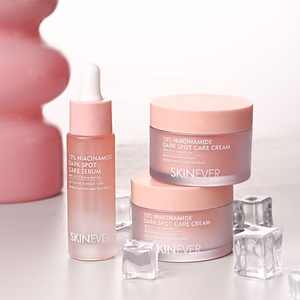
Private Label Anti-wrinkle Niacinamide Dark Spot Corrector Face Cream
Standard: 5% Niacinamide + Alpha-Arbutin | Airless Pump Jar
Direct factory production lines for medical-grade cosmeceuticals, high-potency oral supplements, microbiome-supportive cleansers, and industrial processing machinery.
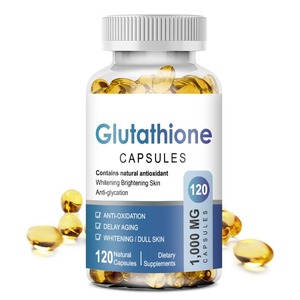
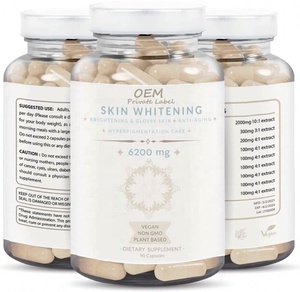
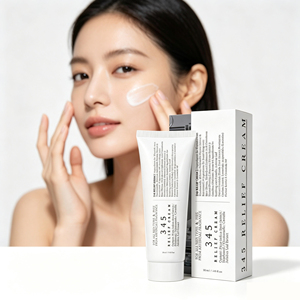
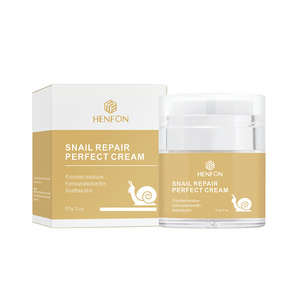
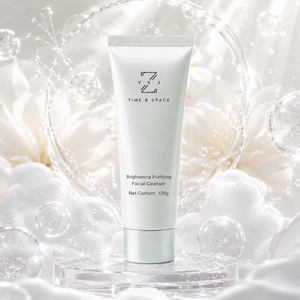
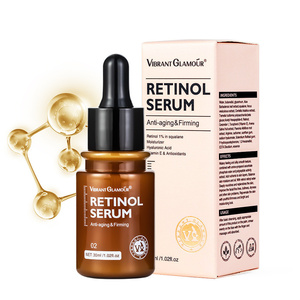
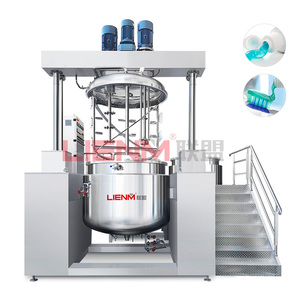
Operating from our facility in Istanbul, Rowe Cosmetics consolidates raw ingredient procurement, cleanroom emulsification, robotic filling, and European regulatory compliance under one quality system.
Controlled cleanroom environments with positive pressure zoning and automated homogenization lines guarantee zero microbiological compromise and absolute batch-to-batch repeatability across all semi-solid and liquid matrices.
Every cosmetic batch is backed by comprehensive toxicological testing, accelerated 90-day stability verifications, challenge testing (PET), and technical Product Information Files (PIF) aligned with EU Regulation (EC) No 1223/2009.
Strategically situated in Istanbul bridging Europe, the UK, North America, and the Gulf, our freight pathways optimize sea, air, and overland delivery lead times while mitigating supply chain disruption risks.
Rowe maintains dual facility certifications spanning ISO 22716, ISO 9001, Halal production certification, and The Vegan Society trademark registration, satisfying the stringent shelf-entry mandates of tier-1 beauty retailers.
A strategic breakdown of raw-material sovereignty, next-generation delivery vehicles, and risk mitigation in private label beauty supply chains.
The global cosmeceutical and luxury skincare landscape has undergone an irreversible shift away from commoditized "off-the-shelf" private labeling toward advanced, scientifically validated Original Design Manufacturing (ODM). Historically, brand founders accepted catalog stock formulas with generic emollient bases and standard fragrance loads. In modern high-compliance markets—specifically within the European Union, the United Kingdom, and the United States—discerning consumers and regulatory agencies require proven bio-availability, minimal skin reactivity, and full ingredient transparency.
At Rowe Cosmetics, our in-house research and development chemists operate on custom baseline synthesis. We design emulsion architectures from scratch, utilizing European-sourced phospholipids, non-ethoxylated plant emulsifiers, and physiological lipid complexes that repair the stratum corneum rather than merely masking transepidermal water loss (TEWL). When B2B clients initiate custom formulation programmes, our lab provides end-to-end development: from viscosity matching and microbial preservation profiling to automated pilot production runs on vacuum emulsifying homogenizers.
Regulatory Compliance Vector: Under Article 19 of the EU Cosmetics Regulation (EC) 1223/2009, all nanomaterials, preservatives, and UV filters must be rigorously documented in the Product Information File (PIF). Our formulations are created to preemptively eliminate all CMR substances (carcinogenic, mutagenic, or toxic for reproduction), phthalates, and microplastics.
Modern B2B skincare procurement is driven by bioactive compounds that support the dermal microbiome. Traditional synthetic humectants and harsh foaming detergents are being replaced by bio-fermented postbiotics, non-disruptive polyhydroxy acids (PHAs), and biomimetic ceramide blends (EOP, NP, AP). Our prebiotic facial cleanser formulas, for instance, utilize mild glucosides and amino acid surfactants coupled with inulin-derived fructooligosaccharides, preserving the natural cutaneous acid mantle during everyday cleansing rituals.
Similarly, cellular whitening and hyperpigmentation therapy have pivoted away from harsh bleaching agents like hydroquinone toward stabilized Niacinamide (Vitamin B3) paired with Alpha-Arbutin and cellular L-Glutathione. By leveraging targeted delivery mechanisms—such as cyclodextrin encapsulation and liposomal carriers—our laboratories achieve deep transdermal delivery while minimizing skin surface irritation, allowing clinical brands to formulate high-percentage active serums without triggering chronic skin barrier degradation.
Geopolitical turbulence and logistics bottlenecks have highlighted the vulnerabilities of relying on single-origin, distant manufacturing hubs. Sourcing skincare manufacturing within Turkey provides international brands with a decisive geographical advantage. Situated at the crossroads of European and Middle Eastern freight networks, Istanbul facilitates seamless multimodal transit across road, sea, and air routes.
With an automated output capacity of 40,000 units per day and over 1.2 million units monthly, our manufacturing facility allows early-stage brands to launch with flexible Minimum Order Quantities (MOQs) while offering enterprise distributors a factory that effortlessly scales into high-volume bulk runs. By sourcing approximately 95% of our fine chemicals, functional emulsifiers, and preservative systems from certified European raw material suppliers, we deliver uncompromising chemical stability and rapid lead times.
Anticipate market transformations and maintain an edge over competitors through high-performance clean chemistry, sustainable supply architectures, and neuro-cosmetics.
Unstable actives such as pure Retinol, L-Ascorbic Acid, and Copper Peptides increasingly utilize sub-micron phospholipid lipid spheres. This shields sensitive actives against oxidation, ensures long-term formula stability, and enables controlled release deep within the skin layers.
To reduce carbon footprints and meet retail sustainability mandates, brands are shifting toward anhydrous balms, lipid concentrates, and lyophilized active powders that activate upon contact with water, significantly lowering cross-border shipping weight and packaging volume.
The convergence of topical dermatology and sensory wellness has created heightened demand for formulations addressing cortisol-induced skin stress. Adaptogens such as Ashwagandha, Rhodiola, and patented neuro-calming peptides downregulate cutaneous inflammation markers and improve skin barrier resilience.
Key information for brand owners, supply chain heads, and private label procurement specialists navigating contract cosmetics production.
Under our Private Label (ODM) model, your brand adopts our proven, pre-tested, and EU-compliant core base formulas, tailoring fragrance profile, key actives, and custom packaging for the fastest market launch. With Contract Manufacturing (OEM), we manufacture your custom formula to exact specifications, overseeing raw material verification, cleanroom blending, scale-up, and filling.
Our MOQs are structured dynamically depending on formula complexity and primary packaging choices. For private label runs utilizing standard in-stock packaging, MOQs can begin as low as 1,000 to 3,000 units per SKU. Custom synthesis projects involving specialized primary glass or molded airless containers typically require production volumes of 5,000 to 10,000 units.
Routine formulation development, initial texture trials, and sensory adaptations from our core catalog are provided free of charge to committed contract manufacturing partners. Projects requiring proprietary raw materials, non-catalog testing, or independent third-party clinical trials will have all costs quoted upfront before work begins.
We provide complete dossiers to your appointed Responsible Person (RP) or regulatory consultant, including Certificates of Analysis (COA), safety data sheets (MSDS), microbial verification test results, 3-month accelerated stability data, container-content compatibility testing, and quantitative INCI listings for smooth CPNP and MoCRA submissions.
Yes. Every formulation undergoes thorough packaging compatibility testing in our laboratory. We check for formula interaction, stress-cracking, active degradation, and vacuum integrity across glass, PET, HDPE, and polypropylene containers to ensure structural integrity across global shipping conditions.
For approved private label formulations using ready stock packaging, production typically wraps up within 3 to 4 weeks. Turnkey custom formulation projects requiring custom packaging production, screen printing, and complete stability testing cycles generally average 8 to 12 weeks from sign-off to export palletization.
Connect directly with our export engineering and formulation laboratory teams. Let's discuss your project targets, target jurisdictions, active ingredient requirements, and container packaging needs.