Seamlessly scale from high-efficacy antibacterial cleansing soaps to multi-category skincare and body hygiene lines, manufactured within our automated cleanrooms.
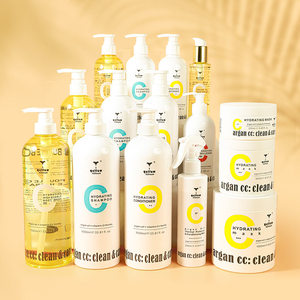
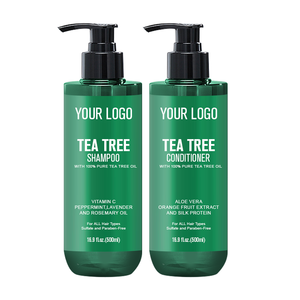
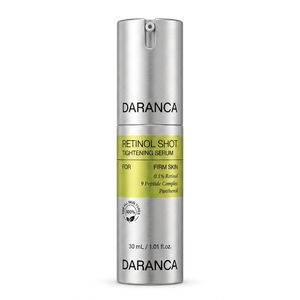
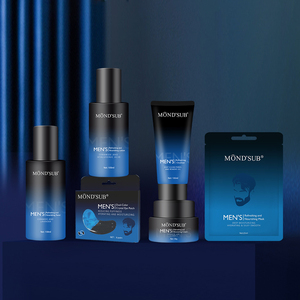
The global procurement market for hand hygiene products has undergone an irreversible shift away from blunt, harsh chemical antisepsis toward synergistic dermoprotective biosecurity systems. Following the international regulatory bans and phase-outs of halogenated compounds such as Triclosan and Triclocarban by the US FDA and the European Chemicals Agency (ECHA), global buyers demand antimicrobial liquid and foaming soaps that satisfy non-negotiable dual imperatives: achieving a rapid >4-log to 5-log microbial reduction (99.99% to 99.999%) against pathogenic transient microflora while simultaneously preserving the endogenous human stratum corneum and skin microflora equilibrium.
As a leading Chinese contract manufacturer operating under continuous ISO 22716 Cosmetics Good Manufacturing Practice (GMP) and ISO 9001 quality infrastructure, our facility approaches the formulation of antibacterial hand soaps through advanced coloidal science. The efficacy of an antiseptic wash depends not solely on the concentration of the active pharmaceutical ingredient (API) or biocide, but on surfactant-micelle release kinetics, charge-driven bacterial cell membrane disruption, and rinseability without toxic residue deposition.
Optimized formulations featuring Benzalkonium Chloride (BZK 0.13%), Chloroxylenol (PCMX), or broad-spectrum plant terpenes (Tea Tree terpinen-4-ol and Thymol) ensuring rapid bacterial membrane lysis.
SLES/SLS-free options utilizing alkyl polyglucosides (APG: Coco-Glucoside, Decyl Glucoside) coupled with amphoteric Cocamidopropyl Betaine to minimize transepidermal water loss (TEWL).
Enrichment matrices incorporating pharmaceutical-grade plant Glycerol (3–7%), Pro-Vitamin B5 (D-Panthenol), Ceramides, and Allantoin to prevent dry-cracked occupational hand dermatitis.
Carefully buffered pH formulations (pH 5.20–5.75) balancing acid mantle stability while facilitating full bactericidal action against S. aureus, E. coli, and P. aeruginosa.
B2B institutional buyers and retail brand executives must configure their product portfolios in accordance with the destination jurisdiction's chemical frameworks (e.g., FDA Over-the-Counter Healthcare Antiseptic Monograph in the United States, Biocidal Products Regulation EU 528/2012 in the European Union, and GB Standards in Asia). Our in-house analytical laboratories support complete formula replication, reverse engineering, and custom recipe design across three core manufacturing platforms:
| Antibacterial Platform | Key Active Agent | Surfactant Chassis | Target Pathogens | Primary Compliance Pathway | Recommended Packaging |
|---|---|---|---|---|---|
| Clinical OTC Antiseptic | Benzalkonium Chloride (BZK) 0.13% | Lauryl Glucoside + Betaine | Gram-positive & Gram-negative bacteria; enveloped viruses | US FDA NDC / EU BPR PT1 | 500ml Medical Dispenser, Wall Mount Refill |
| Industrial Institutional | Chloroxylenol (PCMX) 0.5%–1.5% | Sodium C14-16 Olefin Sulfonate | Broad-spectrum bacteria, hospital-acquired biofilms | OSHA / GHS / CE Compliance | 1 Gallon, 5L Canister, 1000L IBC Tote |
| Clean Beauty Botanical | Thymol 0.05% + Tea Tree Terpinen-4-ol | Potassium Cocoate + APG | Pathogenic fungi, enteric bacteria, transient microbes | Clean Label / Vegan / ISO 16128 | Amber Glass, PCR-PET 300ml Pump Bottle |
| Waterless Micro-Foam | Quaternary Ammonium + Lactic Acid | Polymer-stabilized Mild Amphoteric | Rapid kill transient flora (30-second kill time) | EN 1499 / EN 1276 / EN 1500 | Precision Mesh Foaming Pump Dispenser |
Operating a modernized manufacturing complex in China, our operations integrate automated bulk processing with ISO Class 8 (100,000-grade) cleanroom filling technology. While our product portfolio extends across advanced multi-active skincare serums, sunscreens, and specialized hair cleansers, our liquid chemical blending lines are built for dedicated, high-speed output capable of fulfilling orders for national health systems, multinational supermarkets, and high-growth beauty brands.
Our facility runs multiple vacuum-emulsifying homogenizers from 500L to 5,000L capacity, coupled with high-purity pharmaceutical deionized water processing networks (conductivity <1.3 μS/cm at 25°C). This ensures that every metric ton of antibacterial hand soap or personal wash base remains chemically pure, preventing the degradation of sensitive biocide actives and maintaining uniform antimicrobial suspension across production runs.
Continuous filling lines processing over 40,000 units per shift, totaling 1.2 million units monthly with automatic inline checkweighing, capping, induction sealing, and cartoning.
Stringent batch traceability spanning raw material quarantine, microbial assay testing, FTIR chemical identification, and complete Certificate of Analysis (COA) generation.
Senior cosmetic formulation chemists and microbiologists provide client-tailored R&D with complimentary prototype iterations and real-time viscosity adjustment.
Direct supply-chain integration with leading molders of HDPE, PET, PCR-recycled resins, and custom foaming pump actuators passing strict drop and leak test protocols.
B2B sourcing directors and contract supply managers must proactively anticipate macro-regulatory realignments and consumer behavioral changes. Sourcing antibacterial wash goods is no longer a transactional spot-buying decision; it is a complex risk-management calculation involving carbon accountability, biosecurity standard adherence, and chemical regulatory safety.
Global regulatory oversight is narrowing the permissible thresholds for traditional synthetic halogenated biocides. Forward-thinking procurement programs are transitioning rapidly to non-corrosive, non-bioaccumulative active mechanisms. Formulations containing organic botanical extracts (such as pure Australian Tea Tree Melaleuca oil, thyme-derived thymol, and stabilized organic acid systems) are achieving clinical log-kill equivalence while fulfilling international Clean Label, cruelty-free, and vegan brand mandates.
Freight economics and Extended Producer Responsibility (EPR) mandates are forcing international brands away from single-use 250ml and 500ml pre-filled pump packaging. Enterprise procurement programs increasingly request hyper-concentrated antibacterial formulations (4x to 10x concentrates) or soluble sachet refills. By diluting locally at the distribution center or institutional site, freight emissions and packaging resin consumption drop by up to 72%.
Cross-border customs inspections now scrutinize personal care and biocide imports with greater rigor. The full enforcement of the US Modernization of Cosmetics Regulation Act (MoCRA) alongside the European Biocidal Products Regulation (BPR 528/2012) mandates comprehensive Safety Data Sheets (SDS), toxicological safety assessments, and certified challenge test assays. Contract manufacturers must maintain full formulation IP transparency and complete audit-ready dossiers.
Our China manufacturing facility ensures that every batch dispatched from our loading docks complies with target international microbial kill specs and structural safety benchmarks. Prior to bulk transfer and bottling, every production run undergoes mandatory laboratory evaluations:
Validated by ASTM E2315 and EN 1276 test methodologies, verifying bacterial kill rates against Escherichia coli (ATCC 8739), Staphylococcus aureus (ATCC 6538), and Pseudomonas aeruginosa (ATCC 9027) in under 30 to 60 seconds.
Challenge testing confirms that finished formulations remain microbiologically clean and sterile over a multi-year shelf-life, preventing secondary product contamination following seal removal by end users.
Samples undergo real-time and accelerated stability chambers (3 months at 45°C / 75% RH) and freeze-thaw cycles (-10°C to 40°C) to guarantee that foam quality, fragrance clarity, and pump dispenser stroke return remain reliable across transit climates.
Rigorous environmental stress-crack testing of high-density polyethylene (HDPE) and polyethylene terephthalate (PET) containers under direct surfactant exposure to eliminate leaking risks during ocean transit.
Direct answers for sourcing specialists, brand managers, and contract procurement teams.
Standard OEM/ODM production starts at 5,000 units for stock formulation and standardized packaging configurations (e.g., 250ml or 500ml pump bottles). Custom container mold development, specialized resin coloration, or complex proprietary active formulations generally require an MOQ of 10,000 to 20,000 units depending on automated line tooling constraints.
Yes. We specialize in water-based, non-flammable foaming formulations utilizing Benzalkonium Chloride (BZK) or clinical-grade chlorhexidine digluconate coupled with micro-surfactants. When used through specialized foam pump engines, these produce a luxurious, non-dripping lather with rapid antimicrobial efficacy that does not dry out human skin tissue.
We provide full technical dossier support, including quantitative active ingredient assay reports, 16-section Safety Data Sheets (SDS) formatted according to GHS, and batch-specific Certificates of Analysis (COA). For private label OTC products exported to North America, we align formulation percentages strictly with the FDA Antiseptic Monograph.
Absolutely. We hold certification capabilities aligned with The Vegan Society standards and Halal manufacturing principles. We offer palm-oil-free, RSPO-certified surfactant options, completely free from parabens, phthalates, synthetic microplastics, Triclosan, formaldehyde releasers, and animal-derived derivatives.
Yes. As an end-to-end Contract Original Equipment Manufacturer (OEM), we regularly execute Technology Transfers. Our formulation chemists verify the compatibility of your raw material specifications with our automated bulk homogenization tanks and confirm that stability is maintained during industrial scale-up.
Following initial prototype confirmation and artwork approval, standard contract production timelines average 25 to 35 business days. This duration encompasses raw material assay verification, bulk compounding, sterile cleanroom filling, quality release testing, and export container palletization.
All essential oils, aromatherapy blends, and synthetic fragrances utilized in our factory strictly follow the International Fragrance Association (IFRA) 51st Amendment Codes of Practice. We formulate both allergen-declared designer fragrances and 100% hypoallergenic, fragrance-free formulations intended for pediatric or hospital-grade sensitive applications.
Every commercial export pallet dispatch is accompanied by an individualized Certificate of Analysis (COA) specifying pH balance, specific gravity, refractive index, active biocide concentration (via HPLC assay), microbiological plate counts (total aerobic microbial count <10 CFU/g), and absence of heavy metals (Lead, Arsenic, Mercury, Cadmium).