

40,000+
Units Daily Filling Capacity
1.2M
Monthly High-Speed Output
400+
Validated Master Formulas
100%
EU & FDA Monograph Alignment
Enterprise Product Portfolio
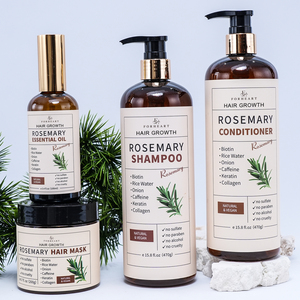
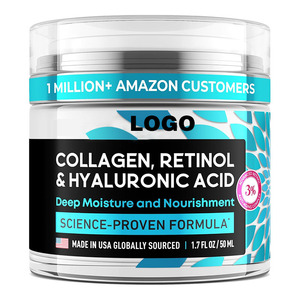
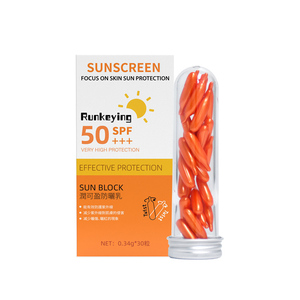
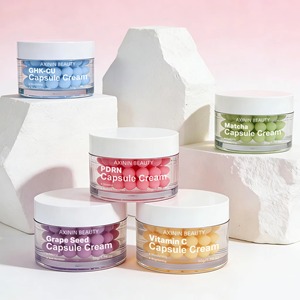
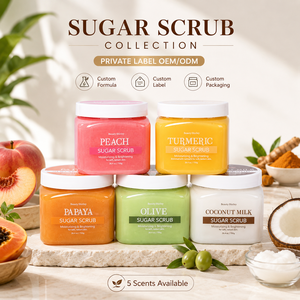
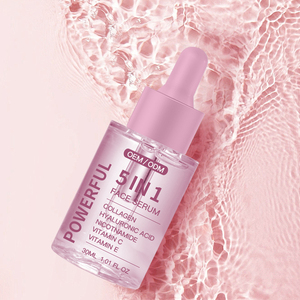
Featured Formulation & High-Precision Filling Solutions
Engineered to bridge clinical efficacy, ultra-pure stability, and high-throughput automated filling. Selected formulation architectures ready for rapid private label brand deployment or full contract customization.
Technical Whitepaper
Engineering Integrity in Contract Cosmetic Filling & Bulk Scale-up
Cosmetics contract filling is no longer simply about packaging formulas; it is a discipline that requires strict biochemical safety, clean-air environments, and high-efficiency filling processes. Below is an overview of how our precision engineering powers modern beauty brands.
Hermetic & Inert-Gas Filling
Potent actives such as Retinoids, L-Ascorbic Acid, and PDRN degrade rapidly when exposed to oxygen and moisture. Our automated lines incorporate multi-stage vacuum nitrogen purge stations, keeping residual dissolved oxygen below 0.8 ppm and ensuring active potency across 36 months of real-time shelf life.
Rheology-Calibrated Dosing
From water-thin peeling solutions to ultra-dense sugar scrubs and high-yield hair masks, formula viscosities vary widely (from 1,000 to 250,000 cps). Our ceramic rotary piston pumps and servo-driven diving nozzles prevent shear thinning, keep droplet sizes uniform, and eliminate stringing during high-speed bottling.
Cleanroom Compliance
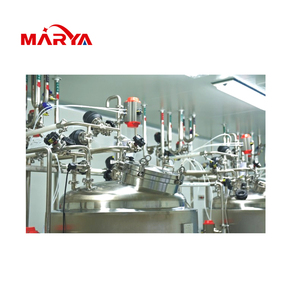
All bulk transfers, container sterilizations, and filling sequences take place inside certified ISO Class 7 (Class 10,000) cleanrooms. Positive pressure zones, HEPA filtration units, and automated CIP/SIP loops eliminate contamination risks, allowing clean, preservative-light formulations to pass international testing reliably.
| Evaluation Parameter | Tier-1 China Export Standard (Our Facility) | Conventional Sourcing Standard | Regulatory Impact |
|---|---|---|---|
| Quality Management | ISO 22716:2007 (GMPc) + US-FDA Voluntary Cosmetic Registration Program | Localized basic factory licensing | Passes EU CPNP & US MoCRA customs compliance smoothly |
| Ingredient Purity | Traceable global supply chains; ~95% EU/US compliant active grades | Unstandardized regional sourcing | Heavy metals, 1,4-dioxane, and micro-contaminants well below strict regulatory limits |
| Filling Precision | Servo-optical check-weighing with ±0.25% variance tolerances | Mechanical piston dispensers (±2.0% variance) | Ensures declared net weights protect brand reputation across retail markets |
| Document Support | Comprehensive PIF, CPSR (Safety Assessment), stability, & Challenge Testing | Basic Safety Data Sheets (SDS) only | Eliminates launch delays and compliance rejections by international authorities |
Market Intelligence
Future Procurement Shifts & Technical Market Directions (2025–2030)
Strategic buying decisions are shifting from simple per-unit costs toward strict regulatory compliance, low carbon footprints, and advanced biochemical delivery systems. Here is where the industry is heading.
MoCRA & CPNP Compliance
Global regulatory enforcement is tightening. The US Modernization of Cosmetics Regulation Act (MoCRA) now requires comprehensive facility registrations, product listings, serious adverse event reporting, and safety substantiations. Procurement teams now require contract manufacturing partners to provide complete batch audit trails and full regulatory support from day one.
Bio-Fermented & Biomimetic Actives
Demand is moving rapidly away from synthetic additives toward bio-fermented ingredients. Peptides, ceramides identical to human lipids, DNA fragments (PDRN), and micro-encapsulated actives require gentle processing temperatures and protected handling to remain effective, driving factories to upgrade to sanitary-grade cold-process mixing technologies.
Recyclable & Refillable Packaging
Global packaging preferences are shifting toward post-consumer recycled (PCR) plastics, lightweight aluminum bottles, and mono-material refill pods. Brands seek filling lines capable of handling diverse sustainable materials smoothly without high defect rates or scuffing on automated assembly tracks.
Procurement Knowledge Base
Frequently Asked Technical & Sourcing Questions
Straight answers on technical capabilities, production workflows, and regulatory compliance to support international sourcing directors.
What is the distinction between OEM contract filling and turnkey ODM production?
Under contract manufacturing (OEM), clients provide their own proprietary formula, INCI specifications, or bulk concentrate; our cleanroom lines execute precision blending, micro-filtration, filling, and final pack-out to client standards. Under turnkey private label (ODM), clients select from our portfolio of over 400 proven formulas, with custom options for fragrance profiles, functional active loads, and compatible packaging configurations.
What are your baseline Minimum Order Quantities (MOQ)?
MOQ requirements depend on production viscosity and container mechanics. Standard production runs begin at 1,000 to 3,000 units for stock library packaging. Custom-tooled bottles, specialized screen prints, and complex multi-chamber configurations usually begin at 5,000 to 10,000 units. Our project managers provide clear volume tiers tailored to each brand's development stage.
How do you verify formulation stability and packaging compatibility?
Prior to line filling, every product undergoes a 12-week accelerated stability program (tested at 4°C, 25°C, 45°C, and 50°C alongside 3-cycle freeze-thaw protocols). Packaging compatibility tests check for container stress-cracking, weight loss, liner absorption, formula discoloration, and pump function across the intended product lifetime.
What documentation is provided for international customs and safety compliance?
We supply comprehensive documentation packages for international market entry, including SDS, Certificates of Analysis (COA), microbiological challenge test reports (ISO 11930), batch manufacturing records, transmissible spongiform encephalopathy (TSE/BSE) declarations, IFRA conformity certificates, and heavy-metal screening panels ready for your qualified safety assessor.
Infrastructure Advantage
Why Leading Beauty Brands Partner with Our Manufacturing Facility
Operating at the intersection of biochemical precision and automated high-speed packaging, our team supports cosmetic brands from formula concept through to global customs clearance, ensuring full batch traceability and long-term product stability.
40k/Day
Precision automated bottle, pump, and tube capacity.
ISO 22716
Certified cosmetics Good Manufacturing Practice cleanrooms.
Free R&D
Complimentary pilot bench trials and custom formula prototyping.
Global Freight
Export-grade palletizing and seamless logistics coordination.
Plan Your Contract Cosmetic Filling Run
Connect with our export formulation team for ingredient assessments, packaging reviews, and transparent volume quotations.