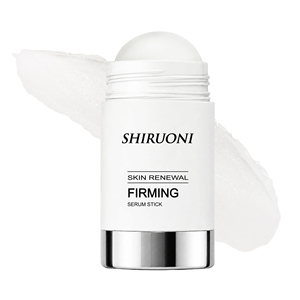
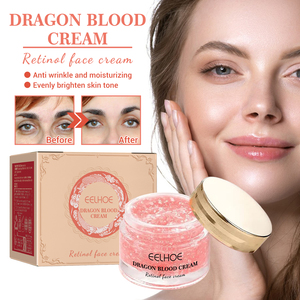
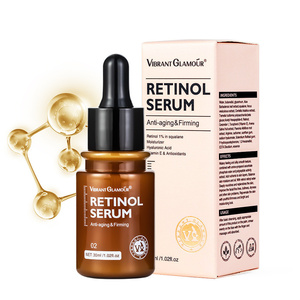
Select from our market-tested, clinical-grade Vitamin A serums, sticks, and creams—engineered for maximum efficacy and photostability.
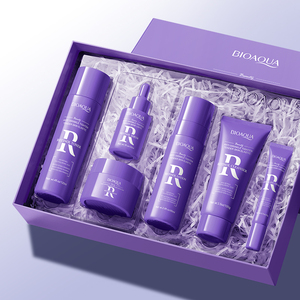
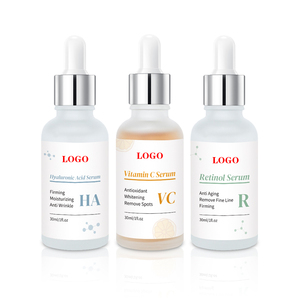
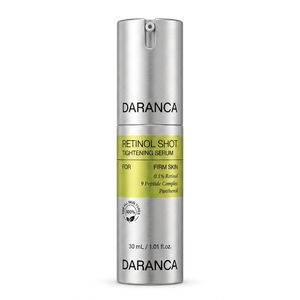
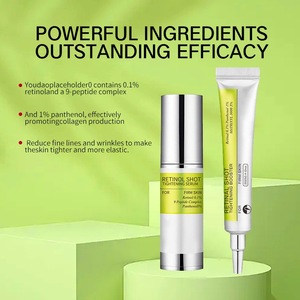
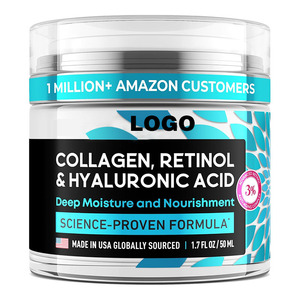
Retinol (Vitamin A) remains the undisputed gold standard in dermatological anti-aging, epidermal renewal, and collagen synthesis acceleration. However, for brand owners, sourcing agents, and beauty conglomerates, commercially scaling Retinol-based formulations presents profound biochemical engineering challenges. Pure retinol is exceptionally hyper-sensitive to light, ultraviolet radiation, dissolved oxygen, ambient moisture, and thermal stress. Without rigorous chemical stabilization protocols and specialized vacuum-emulsification technology, raw retinol rapidly oxidizes into inactive retinoic byproduct compounds, resulting in severe potency degradation, formulation discoloration, and heightened cutaneous irritation risks for end-consumers.
Leading OEM/ODM cosmetics manufacturers in China have revolutionized Retinol delivery matrices through advanced nanotechnology and lipid micro-encapsulation techniques. Rather than utilizing free, unencapsulated Retinol, top-tier Chinese manufacturing facilities utilize multi-layer polymeric liposomes, solid lipid nanoparticles (SLN), and bio-identical phospholipid spheres. This technical innovation encapsulates the hydrophobic Vitamin A molecule within a protective amphiphilic lipid membrane, preventing ambient oxidation during shelf-life storage while facilitating time-released, sustained dermal absorption upon cutaneous application.
Phospholipid bilayers insulate active retinol molecules against oxygen and light, reducing trans-epidermal moisture loss (TEWL) and minimizing skin stinging.
Automated filling lines inject pharmaceutical-grade liquid nitrogen into packaging headspaces, purging ambient air to guarantee zero oxidative degradation.
Inclusion of next-generation Hydroxypinacolone Retinoate (HPR) offers direct binding to retinoic acid receptors without requiring enzymatic conversion.
China’s cosmetic manufacturing landscape has undergone a monumental shift toward high-tech, automated, and international compliance-focused infrastructure. Modern private label retinol factories located in key industrial clusters—such as Guangzhou, Zhejiang, and Shanghai—operate Class 100,000 cleanroom environments certified under ISO 22716 (Cosmetics GMP) and US FDA GMPC guidelines.
The manufacturing process for high-potency Vitamin A products demands specialized industrial machinery. Below is an overview of the proprietary production technologies leveraged by top Chinese private label manufacturers:
| Manufacturing Stage | Industrial Equipment Standard | Technical Function & Quality Assurance |
|---|---|---|
| RO Water Purification | Triple-Stage Reverse Osmosis + EDI System | Eliminates heavy metals and microbial contaminants, achieving conductive water purity below 0.1 µS/cm to prevent ingredient precipitation. |
| Vacuum Emulsification | Homogenizer Mixers with Cold-Process Chilling | Shears oil and water phases at 3,500 RPM under vacuum (-0.09 MPa), creating nano-emulsions without heat-damaging the retinol compound. |
| Light-Protected Batching | Amber Glass / Stainless Steel Sealed Reactors | Prevents actinic light photo-degradation during bulk storage prior to automated packaging filling. |
| Microbiological Testing | Automated Rapid Microbial Detectors & Incubators | Guarantees Total Viable Count (TVC) < 100 CFU/g and negative presence of E. coli, Staphylococcus aureus, and Pseudomonas aeruginosa. |
| Secondary Packaging | Airless Pump / Aluminum Tube Sealing Lines | Prevents end-user light and air exposure during daily product dispensing, extending consumer formula freshness. |
As global consumer demand for anti-aging skin solutions intensifies, brand owners must navigate shifting ingredient preferences, evolving international regulatory frameworks, and sustainability expectations. Procuring private label retinol from premier Chinese factories allows brands to access incredible economies of scale, flexible minimum order quantities (MOQs), and cutting-edge formula customization.
Global cosmetic regulations surrounding Vitamin A derivatives are tightening significantly. Notably, the European Commission’s Scientific Committee on Consumer Safety (SCCS) has published revised concentration limits restricting pure Retinol, Retinyl Palmitate, and Retinyl Acetate to 0.3% RE (Retinol Equivalents) in leave-on body and face products. Concurrently, in the United States, the Modernization of Cosmetics Regulation Act (MoCRA) mandates rigorous safety substantiation, mandatory adverse event reporting, and facility registration.
Top Chinese private label manufacturers maintain dedicated regulatory compliance teams capable of formulating precise 0.1%, 0.2%, and 0.3% EU-compliant retinol thresholds, as well as providing full Cosmetic Product Safety Reports (CPSR), Safety Data Sheets (MSDS), Certificate of Analysis (COA), and CPNP/PIF documentation for seamless international distribution.
Modern consumers demand multi-benefit skincare. Monothematic retinol formulas are rapidly being superseded by complex, synergistic active matrix formulas. Leading ODM factories excel at compounding Retinol alongside non-irritating, barrier-repairing, and brightening co-actives:
Niacinamide reinforces the epidermal stratum corneum barrier, synthesizes ceramide production, and offsets potential erythema or flaking caused by retinoic acid cell turnover.
Combining Retinol with Palmitoyl Tripeptide-1, Acetyl Hexapeptide-8, and Copper Tripeptides stimulates both collagen I and collagen III production for enhanced firmness.
Bakuchiol, a meroterpene derived from Psoralea corylifolia seeds, stabilizes pure retinol while acting as a natural antioxidant, allowing lower synthetic retinol dosages with identical clinical efficacy.
Botanical sap extracts high in taspine and polyphenols rapidly soothe cutaneous inflammation, making high-strength retinol products suitable for sensitive skin types.
Sourcing your private label retinol lines directly from established Chinese manufacturing hubs unlocks structural, technical, and commercial advantages that drive brand profitability and rapid market entry:
In-house cosmetic chemistry teams prepare custom lab samples within 3 to 5 business days, backed by thousands of pre-tested turn-key base formulas.
Direct access to world-class secondary packaging suppliers providing custom airless pumps, UV-coated amber glass, recyclable PET, and PCR plastics.
Complete export documentation suites provided, including Heavy Metal Analysis, Challenge Testing, Microbe Limit Verification, and SDS declarations.
Essential operational, technical, and regulatory answers for brand managers purchasing custom or white label Retinol formulations.
Our standard MOQ for stock stock-formula private label retinol serums or creams is typically 1,000 to 3,000 units depending on packaging selection. For fully customized OEM formulations requiring bespoke ingredient synthesis or unique custom-molded packaging, the baseline MOQ is generally 5,000 to 10,000 units.
We employ a multi-layered stability strategy: (1) Utilizing micro-encapsulated or liposomal retinol compounds; (2) Adding synergist antioxidants like Tocopherol (Vitamin E) and Ferulic Acid; (3) Conducting vacuum emulsification with nitrogen headspace purging during automated filling; and (4) Utilizing light-blocking airless pumps, opaque aluminum tubes, or amber glass containers.
Yes, absolutely. Our R&D cosmetic chemists specifically design custom retinol tiers (e.g., 0.1% gentle beginner strength, 0.25% intermediate, and 0.3% maximum EU-compliant strength) designed to meet strict SCCS regulatory frameworks for Europe, as well as FDA MoCRA standards for the United States.
Lab sampling and formulation approval take 3 to 7 days. Packaging customized artwork printing and component production require 15 to 20 days. Automated mass production, batch stability testing, and export packing take approximately 10 to 15 days. Total project fulfillment averages 30 to 35 calendar days.
Every commercial production batch is accompanied by a full export documentation dossier, including Certificate of Analysis (COA), Safety Data Sheet (MSDS), Heavy Metal & Microbiological Test Reports, Stability Testing Reports, and Certificate of Free Sale (CFS). We also support EU CPNP portal notification and US FDA MoCRA listings.
Yes. As a full-service ODM contract manufacturer, we can fully adjust viscosity (light liquid serum, rich gel-cream, anhydrous balm stick), scent profiles (fragrance-free, allergen-free natural essential oils, or signature scents), and active additive concentrations according to your target demographic and brand brief.
Partner with an ISO 22716 certified leader in micro-encapsulated retinoid skincare. Request custom lab samples, technical pricing catalogs, and full regulatory dossiers today.
Inquire Now