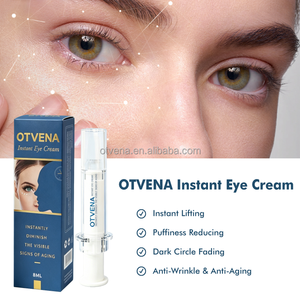
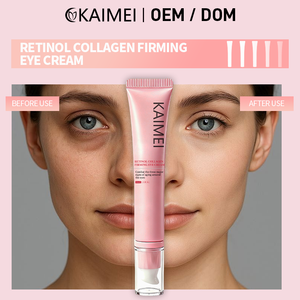
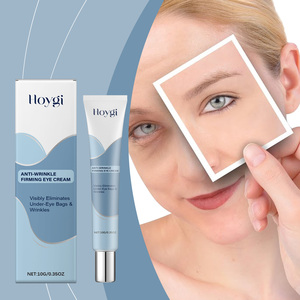
Periorbital Dermatological Architecture: The Chemistry of Contract Eye Care Formulation
Manufacturing cosmetic eye creams is considered the pinnacle of difficulty in skincare contract manufacturing. The anatomical epidermis surrounding the human ocular orbit is a mere 0.33 to 0.5 millimeters thick—roughly one-fourth the thickness of the cheek epidermis. Characterized by negligible sebaceous gland density, minimal subcutaneous adipose cushioning, and an exceptionally dense vascular network prone to micro-capillary leakage, the periocular zone demands rigorous formulation protocols far exceeding standard facial emulsions.
As an industry-leading contract manufacturer, our manufacturing architecture isolates eye cream formulation into four biochemical intervention vectors:
-
Vascular Permeability & Chromophore Dispersion
Dark circles (infraorbital pigmentation) originate primarily from two pathologies: melanin hyper-deposition or micro-vascular extravasation (erythrocyte leakage leading to heme degradation and localized hemosiderin staining). Our laboratories synthesize synergistic complexes utilizing Glucosyl Hesperidin, Flos Chrysanthemi Indici extract, and N-Hydroxysuccinimide to chelate iron ions, accelerate vascular clearance, and suppress periocular chromophore buildup.
-
Lymphatic Stasis & Edematous Fluid Drainage
Sub-orbital puffiness and under-eye bags occur when interstitial fluid accumulates during recumbent sleep or lymphatic vessel hypoplasia. Our automated emulsification units integrate precision-dosed bio-fermented peptide systems (e.g., Palmitoyl Tetrapeptide-7 combined with anhydrous natural caffeine) to downregulate inflammation-inducing interleukins and facilitate continuous micro-drainage without causing osmotic stinging.
-
Dynamic Biomechanical Lift & Wrinkle Mitigation
The human eye blinks approximately 15,000 to 20,000 times per day, placing relentless mechanical shear on collagen-elastin fiber networks. We formulate with neuro-inhibitory biomimetic peptides like Acetyl Hexapeptide-8 (synthetic Argireline) in combination with deep-penetrating micro-encapsulated Retinaldehyde to stimulate dermal fibroblast pro-collagen synthesis while suppressing neurotransmitter release at the neuromuscular junction.
-
Hypoallergenic Osmotic Balance & Ocular Safety
Due to close proximity to the conjunctival sac and tear ducts, eye creams must avoid ocular surface irritation. Our formulations maintain an exact physiological pH window of 6.8 to 7.3 and strictly calibrate osmolarity to prevent conjunctival hyperemia, tear-film disruption, or blurred vision upon application.
Technical Production Infrastructure: High-Shear Emulsification & Airless Automation
Achieving a silky, non-greasy, non-migrating rheological profile requires state-of-the-art processing equipment. Within our ISO 22716 certified facilities, bulk eye cream batches are produced in vacuum homogenizing emulsifiers operating at high shear rates (up to 3,600 RPM) under negative pressure (-0.09 MPa). This process reduces lipid droplet sizes to the sub-micron scale (100–300 nanometers), ensuring thermodynamic stability, rapid skin absorption, and preventing micro-phase separation over extended shelf lives.
Secondary filling occurs in Class 100,000 cleanrooms using optical servo-driven filling nozzles compatible with complex container architectures—ranging from airless click-pens and dual-chamber syringes to cold-touch metal Zamak applicator tips and micro-ceramic rollerball systems.
ISO 22716 & GMP Audited
Stringent compliance with Cosmetics Good Manufacturing Practices (cGMP), ISO 22716, ISO 9001, and US FDA voluntary cosmetics registration guidelines with end-to-end lot traceability.
Turnkey Packaging Engineering
In-house compatibility screening for airless pumps, aluminum-barrier tubes, cooling ceramic applicators, and recycled PCR plastics to prevent oxidation of sensitive peptides and retinoids.
Global Regulatory Support
Complete documentation packages provided for global cross-border market entry: Full INCI declarations, Material Safety Data Sheets (MSDS), Certificates of Analysis (COA), and EU CPNP dossiers.
Rapid Lab Prototyping
In-house analytical cosmetic chemists deliver stable customized formulations within 5–7 business days, accompanied by real-time accelerated centrifuge and thermal stability logs.
1. Clean-Label Neuro-Cosmetics & Peptides
B2B buyers are pivoting away from aggressive synthetic fillers toward biomimetic signal peptides, plant-derived exosome vesicles, and neuro-soothing actives. Consumers demand eye treatments that reverse cortisol-induced vascular fatigue without sensitization. Factory R&D is now prioritized around non-irritating bio-ferments and cold-pressed botanical matrices.
2. Ergonomic Applicator Fusion
Modern consumers expect dynamic application rituals. Sourcing managers increasingly procure hybrid packaging combining bulk formulas with integrated zinc-aluminum-magnesium-copper (Zamak) cryo-massage tips, ceramic cooling spheroids, or micro-vibrational sonic applicators that stimulate lymphatic drainage while dispensing precisely 0.15ml of product.
3. MoCRA & EU Microplastic Bans
Procurement teams must insulate against evolving international laws. Under US FDA MoCRA and European REACH restrictions on synthetic polymer microparticles, our R&D has successfully replaced carbomers and synthetic rheology modifiers with biotechnological succinoglycan gums, microbial cellulose, and biodegradable lipid emulsifiers.
What is your baseline Minimum Order Quantity (MOQ) for custom eye creams?
Our standard MOQ for private label turnkey formulations using existing components starts at 1,000 to 3,000 units. For fully customized chemical formulations or bespoke packaging (e.g., custom mold Zamak tips or silk-screened airless pump bottles), MOQs generally range from 5,000 to 10,000 units depending on component manufacturing thresholds.
How do you substantiate ocular safety and hypoallergenic claims?
Every periocular batch undergoes strict testing protocols. We perform in-vitro HET-CAM (Hen's Egg Test-Chorioallantoic Membrane) and BCOP (Bovine Corneal Opacity and Permeability) assays to evaluate ocular irritation risk. Finished formulations also undergo 48-hour human repeat insult patch tests (HRIPT) conducted under certified dermatological and ophthalmological supervision.
Can you stabilize sensitive actives like Retinol and Vitamin C around the eyes?
Yes. Oxidation of retinoids and L-ascorbic acid derivatives is prevented through multi-lamellar liposomal encapsulation and micro-fluidization. Furthermore, our filling lines utilize nitrogen gas purges prior to crimping and sealing in oxygen-impermeable multi-layer aluminum or EVOH airless dispensers to maintain active potency over a 36-month shelf life.
Do you provide full compliance documentation for EU CPNP and US MoCRA?
Absolutely. We furnish comprehensive Product Information Files (PIF), safety assessments (CPSR) authored by chartered toxicologists, full INCI breakdown percentages, microbiological challenge logs (USP 51 / ISO 11930), heavy metal assays (Lead, Arsenic, Mercury, Cadmium < 1ppm), and 3-month accelerated stability reports (45°C at 75% RH).
How are stability and packaging migration tests conducted?
Packaging compatibility testing is standard procedure. Finished bulk cream is held in contact with selected glass, PET, or polypropylene containers across thermal stress cycles (-15°C, 25°C, 40°C, and 48°C) for 12 weeks. We monitor for weight loss, active degradation, visual phase separation, viscosity shifts, and plasticizer leaching via HPLC and FTIR analysis.
Can we supply our own packaging or proprietary raw materials?
Yes. We operate flexible contract manufacturing models (OEM). Clients may supply custom packaging or specialized patented active ingredients directly to our factory. Upon arrival, all external components undergo strict Incoming Quality Control (IQC) validation to ensure dimensional tolerance, cleanliness, and chemical purity prior to scheduled production runs.
What are your standard production and delivery timelines?
Lab prototyping and sample modifications require 3 to 7 business days. Upon formula sign-off and receipt of client packaging, mass bulk manufacturing, automated filling, inline check-weighing, cartoning, and final pre-shipment inspection (AQL 1.5) are completed in approximately 15 to 25 business days. International sea freight typically takes 18–32 days; air express options are available for rush drops.
Are formulas vegan, cruelty-free, and clean-beauty certified?
Yes. We maintain a database of certified raw materials compliant with The Vegan Society, Leaping Bunny standards, and Halal specifications. Our formulations exclude parabens, sulfates (SLS/SLES), phthalates, synthetic colorants, mineral oils, cyclic silicones (D4/D5), and synthetic fragrances, conforming to Sephora Clean and Credo Clean guidelines.