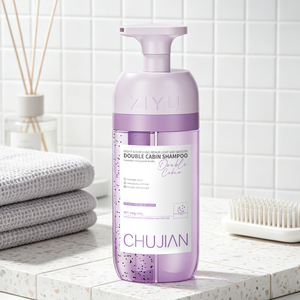
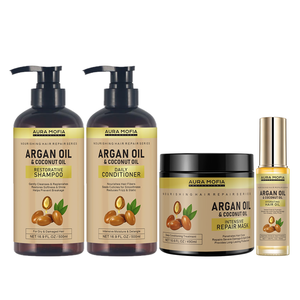
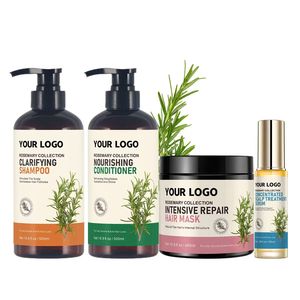
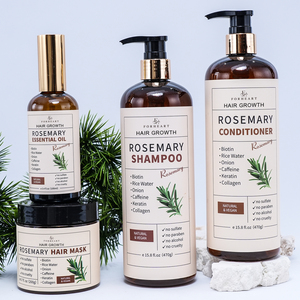
Custom OEM Dual-Chamber Peptide Keratin Shampoo Night Hair Repair Split Ends Treatment
- Core Actives: Tri-Peptide + Hydrolyzed Keratin
- Viscosity: 6,500 – 8,000 mPa.s
- Packaging: Dual-Chamber Separation
Manufactured under stringent ISO 22716 and GMPC protocols. These high-performance SKUs represent our most requested, field-validated export formulations tailored for multinational retail chains, professional salons, and digital D2C brands.
Sourcing hair shampoo from premier Chinese contract manufacturers requires an understanding of chemical homogeneity, surfactant thermodynamic stability, cleanroom automation, and multi-jurisdiction compliance. We mitigate cross-border supply chain friction via fully verticalized operations.
Our blending facilities operate within Class 100,000 cleanrooms featuring centralized reverse-osmosis (RO) EDI water filtration systems producing hyper-purified water with conductivity below 1.0 µS/cm. This eliminates microbial contamination vectors at the bulk phase, drastically decreasing preservative dependency while exceeding EU 1223/2009 microbiological parameters.
Our internal laboratory of cosmetic chemists formulates beyond generic bulk surfactants. We specialize in micellar suspension, cold-process surfactant preservation, and micro-encapsulated carrier oils that suspend uniformly across the formulation lifecycle. Every batch undergoes accelerated 48-hour thermal shock cycles (-10°C to 50°C) and centrifuge separation testing before line filling.
We supply complete Product Information Files (PIF), Cosmetic Product Safety Reports (CPSR), and IFRA certificates for all fragrance systems. Our export documentation seamlessly supports US MoCRA facility registrations, EU CPNP notifications, and GSO SASO certification for the Gulf region, providing B2B buyers with zero customs downtime.
The global haircare market has transitioned permanently from superficial lather metrics to scientific "skinification." Enterprise purchasers who previously benchmarked suppliers solely on bulk per-kilo pricing must now audit surfactant eco-toxicity, scalp microbiome preservation, and active ingredient stability. As consumer awareness matures, retailers across North America, the European Union, and the GCC are divesting from conventional sodium lauryl sulfate (SLS) systems in favor of amino acid-based surfactants (such as Sodium Cocoyl Glutamate and Sodium Lauroyl Sarcosinate) and alkyl polyglucosides (APGs).
Core Procurement Insight: Sourcing high-cleansing, sulfate-free shampoos requires an exporter with sophisticated rheology control. Without synthetic thickeners like Cocamide DEA (increasingly banned across Western markets), the manufacturer must calibrate electrolyte balances and natural xanthan or cellulose gums to ensure luxury viscosity without compromising flash foam kinetics.
Scalp dermatological health now mirrors premium skincare. The demand for targeted ingredients—specifically Rosmarinus Officinalis leaf oil for dihydrotestosterone (DHT) modulation, bio-fermented peptide sequences for hair shaft elongation, and zinc PCA for Malassezia yeast balancing—has altered OEM formulations. Chinese manufacturers with direct vertical ties to bio-fermentation laboratories can offer stabilized active complexes at an aggregate batch cost roughly 35% lower than European contract packagers, without deviating from international analytical assay standards.
A persistent technical hurdle in custom private label manufacturing has been active ingredient oxidation. Powerful anti-breakage peptides, cold-pressed plant fatty acids, and vitamin C esters degrade rapidly in high-water aqueous shampoo bases. High-tier Chinese exporters are countering this via dual-chamber packaging integration. One chamber houses the botanical micellar cleanser (pH 5.5), while the second chamber isolates the unpreserved peptide-lipid concentrate. The compounds fuse only upon pump depression, providing clinical-level potency without aggressive chemical preservatives.
Cross-border import tariffs and carbon footprint assessments are shifting packaging specifications. International buyers are actively ordering 30% to 100% PCR HDPE/PET bottles to satisfy extended producer responsibility (EPR) regulations in Germany, the UK, and California. Concurrently, professional salon procurement is expanding in two opposite extremes: ultra-concentrated dry bars/refill pouches to minimize liquid shipping weight, and 1,000L IBC totes for localized zero-waste automated refilling stations.

Evaluate our standardized technical formulation tiers to determine the optimal balance between cost-per-liter, shelf-life resilience, and target retail market claims.
| Formulation Tier | Primary Surfactant System | Active Complex | Viscosity & pH Range | Regulatory Alignment | Optimal Commercial Channel |
|---|---|---|---|---|---|
| Clinical Anti-Loss & Growth Set | Sodium Lauroyl Sarcosinate + Decyl Glucoside | Rosmarinus Officinalis Oil, Biotin, Copper Tripeptide-1 | 7,000 – 8,500 mPa.s pH: 5.2 – 5.6 |
EU CPNP, US MoCRA, ASEAN Cosmetic Directive | Dermocosmetic Brands, Trichology Clinics, D2C Premium |
| Deep Nourishing Argan Keratin | Sodium Cocoyl Isethionate (SCI) + Betaine | Hydrolyzed Vegetable Keratin, Cold-Pressed Argania Spinosa | 6,000 – 7,200 mPa.s pH: 5.0 – 5.5 |
ISO 22716, Halal Certified, GSO 1943 | Professional Hair Salons, Spas, Mass Premium Retail |
| Tea Tree Clarifying Scalp Care | Disodium Laureth Sulfosuccinate + Coco-Glucoside | 100% Melaleuca Alternifolia, Zinc PCA, Salicylic Acid | 5,500 – 6,800 mPa.s pH: 4.8 – 5.4 |
Microbial Challenge Passed (USP 51), IFRA Fragrance | Pharmacy Chains, Medicated Scalp Care, Supermarkets |
| Commercial Salon Economy Bulk | Refined SLES Base (Low Dioxane) + CAPB | Panthenol (Pro-Vitamin B5), Citric Acid Conditioner | 4,500 – 5,500 mPa.s pH: 6.0 – 6.5 |
Standard GMPC, Heavy Metal Assays Certified | Hotel Chains, Professional Wholesale Distributors, Drum Importers |
Direct technical responses addressing formulation safety, logistics risk management, private label customization thresholds, and regulatory compliance.
Our minimum order quantities are calibrated by packaging selection rather than bulk formulation. For customized formulations using standard in-stock HDPE/PET bottles, the baseline MOQ starts at 1,000 to 3,000 units per SKU. For custom tooling, proprietary silk-screened bottles, or custom-colored resin bottles, the industrial baseline is 5,000 to 10,000 units. Bulk raw materials shipped in 200L drums or 1,000L IBC totes have an MOQ starting at 1,000kg.
Water constitutes 65% to 80% of a finished liquid shampoo, representing the highest risk factor for microbial expansion. We apply a dual safety framework: all processing utilizes multi-stage Reverse Osmosis EDI water verified daily for zero colony-forming units (CFU/mL). Second, each formulation passes a comprehensive 28-day Antimicrobial Preservative Effectiveness Challenge Test (USP 51 / ISO 11930) targeting Candida albicans, Staphylococcus aureus, and Pseudomonas aeruginosa.
Yes. Our reverse-engineering analytical team utilizes Gas Chromatography-Mass Spectrometry (GC-MS) to dissect aromatic top/middle/base notes to formulate IFRA-compliant fragrance alternatives. Concurrently, our rheologists determine exact shear-rate viscosity, surfactant micelle ratios, and refractive indices to recreate sensory lather, flash foam volume, and post-wash combability profiles.
We provide full dossier support including Certificate of Analysis (COA), safety data sheets (MSDS/SDS compliant with GHS Revision 8), quantitative and qualitative INCI ingredient disclosures, 1,4-Dioxane limit test certificates, stability reports (accelerated and freeze-thaw), and Heavy Metal Assays (Lead, Arsenic, Mercury, Cadmium). This enables your appointed Responsible Person (RP) to register products effortlessly.
Cross-equatorial cargo container temperatures frequently fluctuate between -5°C and 55°C. To ensure products arrive without phase separation, thinning, or cloudy precipitation, our lab executes three-cycle freeze-thaw tests (-15°C for 24h, followed by 45°C for 24h) and centrifugal mechanical stress testing at 4,000 RPM for 30 minutes. Formulas are balanced with tailored polymeric thickeners to resist irreversible thermal shock.
Yes. We ensure all keratin variants are sourced via plant-derived bio-fermented amino acid analogs (derived from hydrolyzed wheat, soy, and corn proteins) rather than animal slaughter byproducts. Our manufacturing lines implement strict sanitization schedules to guarantee zero pork or alcohol adulteration, allowing eligible SKUs to receive internationally recognized Halal and Vegan Society credentials.
Shampoos featuring botanical oils or high surfactant loads can cause environmental stress cracking (ESC) in low-grade plastics or clog pump return springs. We perform long-term dip-tube immersion and mechanical pump priming tests (minimum 500 depressions) at 45°C to confirm zero gasket degradation, leakage under negative air pressure (vacuum leak testing to 0.08 MPa), or pump piston failure.
Custom chemical formula bench samples are typically dispatched via express courier within 5 to 7 business days from brief approval. Once sample approvals and artwork proofs are confirmed, initial mass manufacturing, automated filling, inline labeling, and carton palletization take approximately 20 to 25 calendar days. Repeat batch orders generally require 15 business days.
Connect with our senior chemical formulators and export sourcing specialists. Whether you are scaling an established multi-SKU retail line or engineering a proprietary sulfate-free hero shampoo, we provide transparent bulk pricing, complimentary sample kits, and complete technical compliance dossiers.