Explore our export-ready skincare, body care, and hair care product prototypes. Manufactured in our ISO 22716 GMP certified facility in Esenyurt, Istanbul, each formulation offers turn-key customization for global brand distribution.
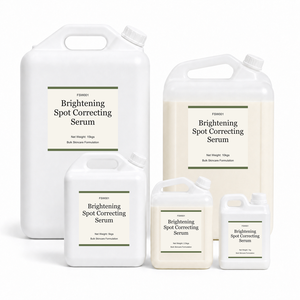
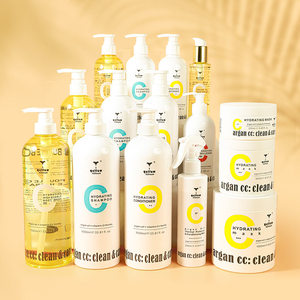
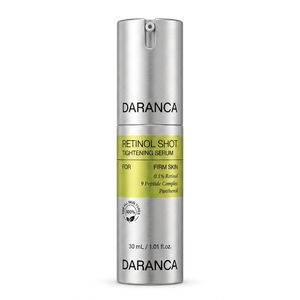
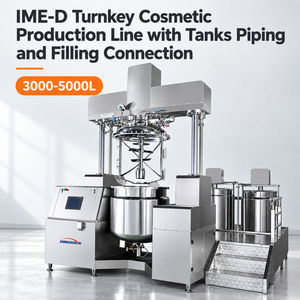
Operating from our modern facility in Esenyurt, Istanbul, Türkiye, Rowe Kozmetik stands as a premier B2B contract manufacturer and exporter. We bridge European chemical purity with agile, cost-efficient Turkish production lines.
Our production plant adheres strictly to Good Manufacturing Practices (GMP). Every batch undergoes multi-stage microbiological and physical stability testing to guarantee absolute safety and batch-to-batch consistency.
Utilizing high-shear vacuum homogenizers, we create ultra-fine, stable oil-in-water (O/W) and water-in-oil (W/O) bio-emulsions. This ensures silky skin feel, rapid dermal absorption, and zero phase separation.
We offer full regulatory documentation including The Vegan Society trademark eligibility, Halal Certification, and comprehensive Product Information Files (PIF) aligned with EU Regulation (EC) No 1223/2009.
Developing commercial-grade, fully certified organic body lotions requires sophisticated lipid physics, natural emulsification science, and green preservation chemistry. Below is an engineering overview of our OEM/ODM approach.
Traditional body lotions often rely on petroleum-derived mineral oils or synthetic dimethicones to deliver skin conditioning. In contrast, premium organic body lotions require bio-mimetic lipid architecture that restores the intercellular lipid matrix of the stratum corneum.
At Rowe Kozmetik, our R&D chemists formulate with cold-pressed botanical lipids high in unsaturated fatty acids (linoleic, oleic, and gamma-linolenic acids). Key natural emollients include:
Achieving emulsion stability without ethoxylated emulsifiers (PEG compounds) or synthetic polymers (carbomers) is a major formulation challenge. We utilize natural liquid-crystal emulsifiers such as Cetearyl Olivate / Sorbitan Olivate (derived from olive oil) and Polyglyceryl-3 Dicitrate/Stearate.
These natural emulsifying systems construct multi-lamellar structures around water droplets. The resulting lamellar networks mimic the natural lipid bilayer of human skin, significantly increasing active ingredient dermal bioavailability while lowering Trans-Epidermal Water Loss (TEWL).
Preserving water-containing organic body care products without parabens, phenoxyethanol, or formaldehyde donors requires a multi-hurdle approach:
B2B beauty buyers, corporate procurement managers, and brand strategists must align their product roadmaps with fast-evolving consumer demands and international regulatory standards.
Body care is expanding beyond basic hydration toward skin microbiome health. Future procurement cycles favor body lotions enriched with prebiotics (Inulin, Alpha-Glucan Oligosaccharide) and postbiotic ferments. These actives strengthen beneficial skin flora, soothe sensitive skin, and treat conditions like eczema and keratosis pilaris.
Retail buyers in Europe and North America increasingly evaluate supplier ESG scores. Procurement is shifting toward lotions using upcycled ingredients—such as cold-pressed oil extracted from juice industry fruit seeds (raspberry, blueberry, apple) and coffee ground extracts—reducing carbon footprints without sacrificing efficacy.
With the implementation of the US Modernization of Cosmetics Regulation Act (MoCRA) and tightening EU REACH regulations, suppliers must provide comprehensive safety dossiers. Manufacturers must deliver micro-challenge testing, heavy metal analyses, 12-week accelerated stability reports, and packaging compatibility testing upfront.
Primary packaging selection is critical to organic body lotion sourcing. Procurement trends demonstrate a sharp rise in 100% Post-Consumer Recycled (PCR) PET bottles, mono-material recyclable PP pump heads, and refill pouch configurations that reduce plastic waste by up to 75%.
Selecting the right production model determines your time-to-market, initial capital expenditure, and intellectual property control. Review our comparative technical breakdown below.
| Evaluation Criteria | ODM (Turnkey Private Label) | OEM (Custom Formula Manufacturing) | Custom R&D Formulation |
|---|---|---|---|
| Formula Ownership | Rowe Kozmetik Proprietary Base | Brand Owned / Client Specification | Co-Developed / Transferable IP Option |
| R&D Development Time | 1 to 2 Weeks (Pre-Tested Bases) | 3 to 5 Weeks (Tech Transfer & Scale-Up) | 6 to 12 Weeks (Full Stability & Challenge) |
| Minimum Order Quantity (MOQ) | Low to Medium (1,000 - 3,000 units) | Medium to High (5,000+ units) | Batch Scale Dependent (5,000+ units) |
| Regulatory Testing Dossier | Pre-Verified Safety Assessment (CERP) | Client Provided or Co-Tested | Complete Turnkey PIF & Testing Package |
| Best Suited For | Fast-to-Market Brands & E-Commerce | Established Brands Scaling Production | Differentiated Hero Active Products |
Clear answers to technical, commercial, and logistical questions frequently raised by global beauty brand procurement teams.
Partner with an established, ISO 22716 GMP certified Turkish cosmetics manufacturer. Contact our English-speaking engineering and export sales team today to request samples, factory price lists, or custom formulation quotes.
Send an Inquiry