
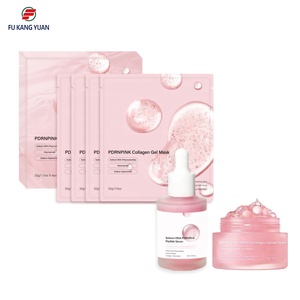
Dual-Sourcing Ecosystem
High-Performance Formulas & Active Cosmetic Solutions
Enterprise fragrance brands scaling into high-growth skin-scent hybrids, body perfumes, and clinical personal care co-source these benchmark certified formulations across our automated filling infrastructure.
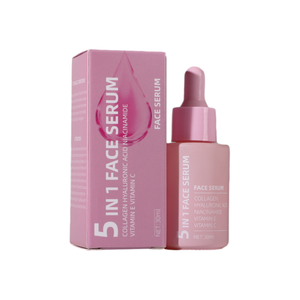
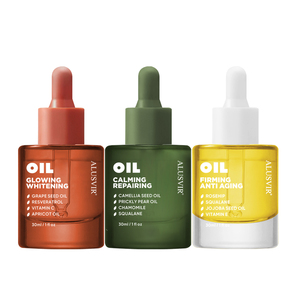
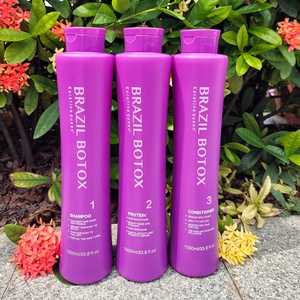
Hair Fragrance & Care
Organic Professional Protein Brazilian Keratin 2-in-1 Smoothing Cream
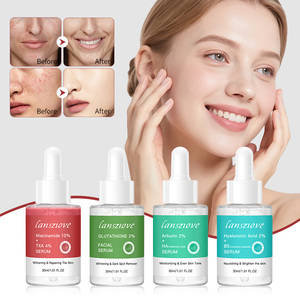
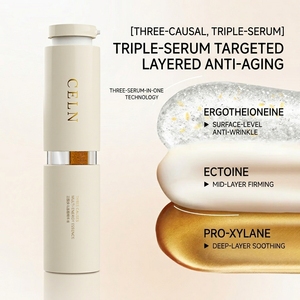
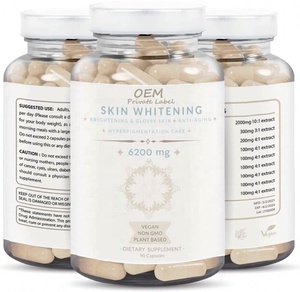
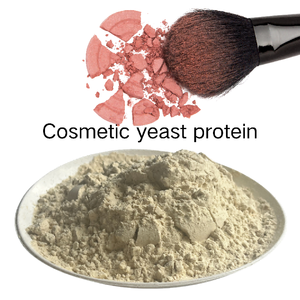
Functional Raw Material
Yeast Protein F88MC Natural Raw Material for High-End Formulations
Executive Industry Assessment
Top 10 Alcohol Free Fragrance Manufacturers & Exporters: Global Evaluation
A rigorous industrial analysis covering carrier chemistry, regulatory accreditations, minimum batch requirements, and international logistical infrastructure across leading OEM/ODM hubs.
| Manufacturer / Exporter | Primary Hub | Carrier & Formulation Chemistry | Compliance & Certifications | Logistics & Hazmat Advantage | B2B Agility & MOQ |
|---|---|---|---|---|---|
| 1. Rowe Cosmetics (Rowe Kozmetik) | Istanbul, Türkiye | Nano-microemulsions, botanical dry oils, biolipid suspensions | ISO 22716 GMP Halal Vegan Society | Class 0 Non-DG; Strategic EU & GCC cross-border transit | High Flexibility; Integrated Free R&D for B2B brands |
| 2. Mane SA | Bar-sur-Loup, France | Aquafine™ surfactant-free water-based olfactive dispersion | IFRA 51st, ISO 9001, Ecocert Cosmos | EU hub; complex cold-chain considerations for delicate mists | Enterprise tier (Tier-1 High Volume MOQs) |
| 3. Givaudan Fragrances | Vernier, Switzerland | Micro-encapsulated water-based delivery & sub-micron phases | ISO 22716, Halal Certified, REACH compliant | Global distribution; specialized bonded freight lines | High MOQ; multi-market multinational contracts |
| 4. Symrise AG | Holzminden, Germany | SymAqua® natural solubilizer system & low-tack clear bases | ISO 14001, ISO 22716, Halal, Kosher | Direct German export lanes across UK, Americas, Asia | Focus on mass prestige; strict tech transfer onboarding |
| 5. Iberchem S.A.U. | Murcia, Spain | Vernis water-perfume technology; hydrophilic fragrance oils | ISO 9001, Halal certified, IFRA standards | Mediterranean sea freight and European road networks | Medium to High enterprise volumes |
| 6. CPL Aromas | Bishops Stortford, UK | EcoBoost concentrated fragrance bases for aqueous diluents | ISO 9001, ISO 14001, Vegan Society compliant | UK/EU dual facilities; global ocean container routes | Mid-to-large scale private label brands |
| 7. Argeville | Mougins, France | Plant-derived polyol vectors, anhydrous concentrated oils | French ANSM GMP compliant, IFRA aligned | Air freight compliance for luxury flacons | Niche luxury and boutique perfumery lines |
| 8. Bell Flavors & Fragrances | Leipzig, Germany / USA | Hydro-alcoholic substitutes, clean botanic emulsions | ISO 22716, USDA Organic, Halal approved | Transatlantic shipping network and German road freight | Medium MOQs with extensive catalog blends |
| 9. Eurofragance SLU | Barcelona, Spain | Captive encapsulation matrices, Arabian attar oil bases | ISO 9001, Gulf GSO/SASO standards verified | Deep integration with Middle East GCC shipping corridors | Regional distributors and prestige house OEM |
| 10. TechnicoFlor | Allauch, France | Bio-sourced biodegradable water scent dispersions | Ecocert, ISO 22716, Fair Trade raw material sourcing | EU green logistical networks with carbon tracking | Sustainable boutique brands and clean label programs |
Formulation Engineering
Overcoming The Ethanol Paradigm: The Science of Non-Alcohol Fragrances
Ethanol has historically dominated perfumery due to instantaneous evaporation, self-preservation, and low surface tension. Discover how modern contract laboratories engineer long-lasting, clear, alcohol-free scents.
1. Microemulsion & Nano-Dispersion
Traditional perfumery uses 70% to 85% denatured ethanol to force hydrophobic aromatic esters into solution. In contrast, advanced water-based fragrances employ isotropic thermodynamically stable microemulsions.
By engineering droplet sizes under 50 nanometers using clean, bio-derived non-ionic surfactants, the liquid becomes optically transparent, eliminating turbidity without creating a sticky or soapy skin-feel.
- Optically crystal-clear appearance in transparent glass
- Zero foaming upon spray actuation
- Preserves the pure top-note olfactive pyramid without alcohol flash
2. Microbiological Integrity Systems
Ethanol acts as an inherent bactericide and fungicide. The moment ethanol concentration falls below 18%, an aqueous fragrance formula becomes vulnerable to microbial colonization.
ISO 22716 GMP facilities integrate broad-spectrum preservation complexes (e.g., sodium benzoate, potassium sorbate, caprylyl glycol, and ethylhexylglycerin) optimized for neutral pH ranges (4.8 to 5.5).
- Rigorous Preservative Efficacy Testing (PET / Challenge Test)
- Compatibility with IFRA 51st Amendment allergen limits
- Zero skin-sensitization or dermal erythema induction
3. Sillage, Substantivity & Skinification
Without the aggressive flash-off of alcohol, water and dry-oil vectors release olfactive molecules gradually in response to skin temperature, creating a continuous aura.
Furthermore, alcohol-free formulations permit the infusion of skin-barrier actives such as sodium hyaluronate, botanical squalane, and aloe leaf juice, transforming a simple perfume into an indulgent beauty ritual.
- Up to 8 to 12 hours of linear substantivity on skin and fabrics
- Safe for hair mist application (no cuticle moisture depletion)
- Non-staining formulation on luxury garments and silk
Market Intelligence 2026-2032
Strategic Procurement Drivers Reshaping Global Fragrance Sourcing
The global shift toward alcohol-free perfumery is driven by clear commercial catalysts: religious certification compliance, dramatic logistics savings, and consumer clean-beauty evolution.
The Middle East & Halal Renaissance
The Gulf Cooperation Council (GCC)—specifically Saudi Arabia, the UAE, Qatar, and Kuwait—presents one of the world's highest per-capita fragrance expenditures. Traditional alcohol perfumes encounter religious hesitations and regulatory scrutiny under SFDA and ESMA guidelines.
Certified Halal, zero-alcohol Eau de Parfum and concentrated CPO (Concentrated Perfume Oil) mists remove retail friction, unlocking vast commercial channels across pharmacy networks, luxury department stores, and duty-free travel retail.
HAZMAT Elimination & Freight Optimization
Traditional ethanol-based perfumes fall under UN 1266 Class 3 Flammable Liquids. This classification incurs dangerous goods (DG) documentation surcharges, specialized airfreight holds, bonded flammable warehousing permits, and high insurance premiums.
Alcohol-free fragrances are completely non-flammable (Class 0 Non-DG). Brands save between 25% and 40% on air-cargo tariffs, accelerate customs clearing, and bypass air-shipping volume restrictions.
The "Skinification" of Fine Fragrance
Gen Z and millennial beauty consumers actively avoid high-proof ethyl alcohol due to skin barrier sensitization, contact dermatitis, and hair fiber dehydration. The modern fragrance customer expects skin-nourishing hybrid benefits.
B2B brand buyers are migrating from single-focus eau de parfum lines into multi-category olfactive suites: hydrating alcohol-free body mists, functional aromatic pillow sprays, and scalp-safe hair perfumes.
Enterprise Manufacturing Power
Rowe Cosmetics: Istanbul Facility & Global Export Infrastructure
Operating from our modern production complex in Esenyurt, Istanbul, Rowe Cosmetics stands as a premier bridge between Western formulation science and high-volume export execution across Europe, the UK, the Americas, and the Gulf.
40,000
Units Per Day Output
1.2M
Monthly Unit Capacity
~95%
European Raw Materials
400+
Turnkey Approved Formulas
Dual ISO & GMP Accreditations
Facility operations fully certified to ISO 22716 (Cosmetics GMP) and ISO 9001. Every production run undergoes complete physical, analytical, and microbiological batch verification.
Halal & Vegan Registered
Official certification from The Vegan Society alongside verified Halal Certification, satisfying all strict regulatory documentation needed for the UAE, KSA, Qatar, and global retail chains.
Free R&D & In-House Lab
Our dedicated cosmetic chemists formulate custom olfactory directions, conduct accelerated 90-day oven stability, and verify packaging-liquid compatibility without billing upfront formulation fees to brand partners.
Zero DTC Conflict of Interest
We are purely an OEM/ODM B2B manufacturer. We never market proprietary retail brands or compete against our clients on Amazon, Sephora, TikTok Shop, or regional department stores. Your IP remains yours.
Procurement Clarity
Frequently Asked Questions: Alcohol-Free Fragrance Manufacturing
Essential guidance for sourcing directors, brand founders, and cosmetic category managers before placing contract manufacturing orders.
How does an alcohol-free perfume achieve long-lasting sillage?
Instead of rapid alcohol evaporation, water-based microemulsions and dry-oil esters (such as caprylic/capric triglycerides and bio-propanediol) anchor perfume oils directly onto the lipid layer of the skin. As body heat radiates, aromatic esters are released in a steady, linear progression, offering 8 to 12 hours of authentic performance without olfactory fatigue.
What is the standard Minimum Order Quantity (MOQ) for custom runs?
MOQs are determined primarily by packaging components and bespoke flacon tooling. For formulations utilizing catalog glass components with custom silkscreening and metallized pumps, batch MOQs typically start at flexible thresholds (often 1,000 to 3,000 units), scaling smoothly to tens of thousands on automated filling lines.
How are formulas stabilized against microbial growth without alcohol?
We employ modern, skin-friendly, broad-spectrum preservative systems compliant with both EU Regulation (EC) No 1223/2009 and ASEAN/GCC cosmetic directives. Every alcohol-free batch passes comprehensive Preservative Efficacy Testing (USP 51 / ISO 11930) guaranteeing a standard shelf-life of 24 to 36 months unopened.
Can you manufacture under our own existing perfume formula?
Yes. Through contract manufacturing (OEM), you can supply your existing fragrance concentrate, INCI specifications, or target olfactive brief. Our cosmetic chemists conduct analytical scale-up tests, micro-emulsify the compound into an aqueous matrix, and verify spray pattern consistency across production atomizers.
What documentation do you provide for international customs clearance?
Every shipment leaves our facility complete with Certificate of Analysis (COA), Safety Data Sheets (SDS) validating non-hazardous transport status, Certificate of Free Sale (CFS), IFRA Compliance Certificates, Halal Attestation, and full qualitative/quantitative formula disclosures necessary for EU CPNP notifications or Middle East registration.
Why is Istanbul, Turkey strategically advantageous for fragrance exports?
Situated at the crossroads of European regulatory standards and Middle Eastern consumer epicenters, Istanbul allows rapid TIR truck transit into Central Europe (3-5 days) and direct sea/air cargo into Dubai, Riyadh, and North America. Sourcing costs remain significantly more competitive than Western Europe, while maintaining 100% adherence to EU cosmetic legislation.
Ready to Engineer Your Signature Alcohol-Free Fragrance Line?
Whether you require full-service ODM private labeling or custom micro-emulsion contract manufacturing for international export, our technical team provides rapid turnaround on lab samples and cost estimations.