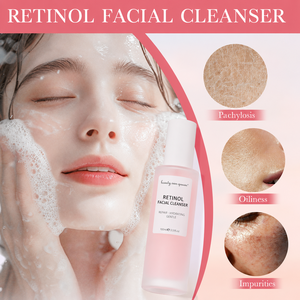
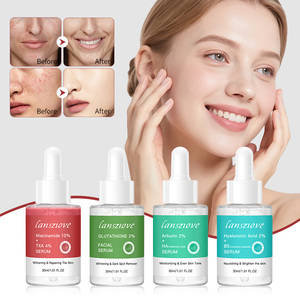
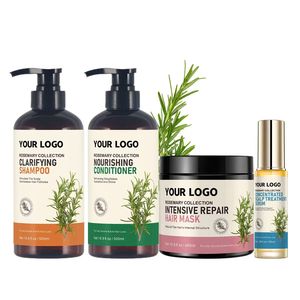
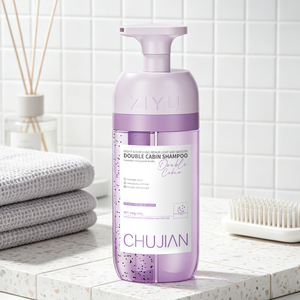
Engineered inside our ISO 22716 GMP laboratory under strict EU Cosmetics Regulation (EC) No 1223/2009 parameters. Select a standard chassis for accelerated turnaround, or initiate bespoke contract development.
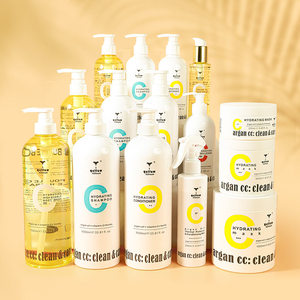
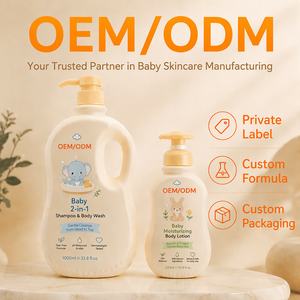
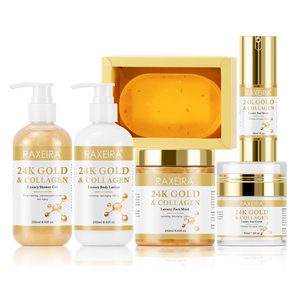
Units Daily High-Speed Automation Capacity
Finished Units Monthly Export Volume
European Traceable Raw Material Sourcing
Validated Custom Cosmetic Formulations
The international skincare sector is undergoing a profound paradigm shift. The convergence of tightening international safety protocols, escalating supply chain disruption risks, and a surge in consumer demand for scientifically substantiated active ingredients has rendered legacy OEM sourcing models obsolete. Sourcing procurement directors and brand founders are no longer merely seeking toll manufacturers; they are seeking strategic, vertically integrated contract manufacturing exporters capable of shielding brand equity through meticulous chemistry, automated precision, and cross-border regulatory compliance.
In this comprehensive white paper, we examine what defines the world's top 10 custom face cream exporters, analyzing the biochemical formulation architectures, clean-room parameters, and cross-continental freight efficiencies that separate market leaders from transactional toll blenders. Drawing directly from our operational experience inside our Istanbul GMP production facility, we deconstruct the critical criteria for establishing robust contract manufacturing partnerships across the European Union, the United Kingdom, North America, and the Gulf Cooperation Council (GCC) markets.
"Procurement directors who evaluate custom face cream exporters solely through the lens of initial per-unit FOB cost overlook the hidden overhead of regulatory re-submissions, emulsion phase separation failures, micro-contamination batches, and international freight bottlenecks. True procurement efficiency is achieved at the intersection of formulation stability, regulatory documentation readiness, and automated filling throughput."
When enterprise beauty procurement teams evaluate prospective manufacturing partners across Turkey, Western Europe, and Asia, they benchmark candidates against a stringent 6-tier operational audit:
Top-tier exporters deploy high-shear vacuum homogenizers that manipulate droplet distribution below 2 micrometers. This ensures sub-micron oil-in-water (O/W) and water-in-oil (W/O) lamellar liquid crystalline networks that withstand freeze-thaw cycles (-10°C to +45°C) without creaming, coalescence, or syneresis during marine freight.
An elite exporter must maintain a dedicated regulatory chemistry department capable of compiling comprehensive Product Information Files (PIF), conducting Preservative Efficacy Testing (PET / ISO 11930), and facilitating compliant notifications across the EU CPNP, UK SCPN, and US FDA MoCRA platforms without third-party delay.
Sourcing standards determine formulation efficacy. Leading custom cream exporters prioritize cosmetic actives, functional emulsifiers, and preservative complexes sourced directly from Tier-1 European producers (such as BASF, Croda, Clariant, and Givaudan), ensuring purity, sustainability, and freedom from restricted contaminants.
Human interaction with open cosmetic bulk represents the highest risk of microbial contamination. Premium exporters utilize ISO 22716 Class 100,000 clean rooms equipped with automated contactless tube, jar, and airless pump filling lines that clean, purge with inert nitrogen, dose, cap, and laser-batch-code in a synchronized pass.
Global export velocity requires universal market acceptance. Superior production facilities maintain accredited ISO 22716 (GMP) and ISO 9001 quality management systems, augmented by The Vegan Society registration and Halal certifications to effortlessly unlock retail distribution throughout Europe and the Muslim-majority GCC region.
Geographical positioning dictates fulfillment resilience. Manufacturers based in strategic transit hubs like Istanbul provide immediate highway connectivity into the European mainland (3–5 transit days), combined with maritime express lanes to the US East Coast and Gulf sea terminals, avoiding protracted Suez or Pacific ocean delays.
To assist brand executives in assessing supply chain trade-offs, the following matrix benchmarks Turkish contract manufacturing (Rowe Cosmetics model) against traditional Western European and East Asian export hubs:
| Evaluation Parameter | Turkish Integrated Hub (Rowe Model) | Western European Toll Labs | Far East Bulk Exporters |
|---|---|---|---|
| Raw Material Origin | ~95% Tier-1 European Actives | 100% European / Local Actives | Predominantly Domestic / Variable Purity |
| Regulatory Integration | Native EU (EC) 1223/2009 & MoCRA Ready | Native EU Compliance (High Cost) | Requires Third-Party Western Re-Testing |
| Transit Time to EU / UK | 3 to 7 Days (Road & Ro-Ro Freight) | 1 to 3 Days (Domestic Ground) | 35 to 55 Days (Ocean Freight) |
| R&D Pilot Development | Free Formulation Prototyping | High Upfront Retainers (€3,000–€8,000) | Catalog Stock Adjustments Only |
| Customs & Duty Barriers | 0% Customs Duty (EU-Turkey Customs Union) | 0% Intra-EU / Complex Post-Brexit UK | Variable Import Tariffs & Anti-Dumping Fees |
| Batch Scalability | Flexible Low Pilot to 40,000 units/day | High MOQs (Typically 10,000+ units) | Extreme MOQs (10,000–50,000 units) |
Consumer demand has evolved beyond basic humectants and mineral oil occlusion. Forward-thinking brands are commissioning formulations engineered around clinical bio-mimicry, clean preservation, and active stabilization. Exporters leading the market demonstrate proficiency across four critical biochemical advances:
Modern consumers demand barrier rehabilitation over temporary slip. Formulating with physiological lipid ratios (3:1:1:1 physiological ratio of Ceramides NP/AP/EOP, Phytosterols, Free Fatty Acids, and Squalane) mimics the intercellular stratum corneum matrix, enhancing active penetration while preventing transepidermal water loss (TEWL).
Vulnerable molecules such as pure Retinol, L-Ascorbic Acid, and Ergothioneine degrade rapidly upon exposure to oxygen, UV light, and aqueous phases. Advanced exporters utilize phospholipid liposomes, cyclodextrin complexes, and lipid nanoparticle encapsulation to isolate actives, preserving potency until enzymatic cutaneous release.
With phenoxyethanol facing regulatory scrutiny in pediatric applications and parabens widely rejected by clean retailers, modern R&D incorporates multifunctional antimicrobial boosters (such as Caprylyl Glycol, Hydroxyacetophenone, and Glyceryl Caprylate) that ensure micro-stability under ISO 11930 without disrupting the skin microbiome.
Global procurement leaders are restructuring supply chains to balance inventory turnover with resilience. Over the coming five years, three macro trends will govern contract manufacturing agreements for face creams and topical skincare:
1. Dual-Sourcing and Regionalized Nearshoring: The geopolitical vulnerabilities exposed in the Red Sea and Pacific corridors have forced Western and Middle Eastern beauty brands away from complete dependence on single Asian production hubs. Sourcing directors are deploying a dual-track strategy: allocating core replenishment production to automated regional manufacturing partners situated within 3 to 7 days overland transit, while retaining offshore suppliers only for non-urgent commodity packaging.
2. Compressed Product Development Cycles (Time-to-Market): The lifespan of viral beauty trends driven by social commerce has shrunk from 24 months to under 16 weeks. Brands require contract exporters with existing, stability-cleared "white label chassis" that can be customized with signature actives, tailored olfactory profiles, and branded primary packaging within 4 to 6 weeks, rather than initiating 18-month ground-up formulation cycles.
3. Monomaterial and PCR Primary Packaging Compatibility: With European packaging waste directives mandating recyclable packaging designs, custom face cream manufacturers must validate formula stability inside PCR (Post-Consumer Recycled) PET, aluminum, and monomaterial polyolefin airless pump dispensers. Chemical interactions between aggressive cosmetic actives (such as low-pH peeling acids or lipid-rich night balms) and recycled resins require empirical stress-testing prior to full-scale batch filling.
Rowe Cosmetics (Rowe Kozmetik San. ve Tic. Ltd. Şti.) operates as a premier B2B private label, OEM contract manufacturer, and cosmetic formulation laboratory based in Esenyurt, Istanbul, Turkey. Engineered exclusively for business clients, distributors, retail chains, and emerging brand owners, we never compete with our clients on consumer shelves. Every resource is dedicated to scaling your product line under an uncompromising quality system.
Our Istanbul plant operates in strict adherence to ISO 22716 (Cosmetics GMP) and ISO 9001 quality management guidelines. Furthermore, our formulas qualify for The Vegan Society trademark registration and maintain Halal compliance, ensuring seamless customs clearance and retailer onboarding worldwide.
Unlike Western contract labs that charge punitive upfront R&D retainers, our cosmetic chemists provide formulation development and sample prototyping free of charge for our manufacturing partners. We refine viscosity, absorption rates, and sensory aesthetics until your benchmark is surpassed.
Positioned at the geographical nexus of Europe, the Middle East, and the Americas, our export logistics team prepares fully palletized, labeled, and customs-cleared cargo for forwarders shipping into Germany, the UK, Switzerland, the Netherlands, the United States, and across the GCC.
Direct technical and operational answers to the most critical inquiries raised by brand directors and supply chain managers:
With our Private Label (ODM) model, your brand leverages our pre-tested, stability-cleared, and EU-compliant formulation library (spanning over 400+ validated skincare, haircare, and body care formulas). You customize active concentrations, sensory extracts, natural fragrances, and primary packaging components, facilitating commercial market entry in as little as 4 to 6 weeks. Under our Contract Manufacturing (OEM) model, you supply your proprietary INCI list, technical specifications, or target benchmark. Our in-house R&D chemists perform technology transfer, laboratory sample reproduction, scale-up pilots, and compatibility testing on our automated bulk mixing vessels to execute your exact formula to specification.
Emulsion integrity begins in our computerized vacuum homogenization vessels, where rotor-stator shear forces disperse the internal phase to droplet diameters under 2 microns, creating structurally stable crystalline matrices. Every production batch undergoes rigorous quality controls: dynamic viscosity verification, pH profiling, centrifuge stress testing (3,000 RPM for 30 minutes at room temperature), and thermal shock cycling between -10°C and +45°C. For microbial defense, all formulas undergo Preservative Efficacy Testing (PET) according to ISO 11930 / USP 51 parameters, confirming total resistance against bacteria, yeasts, and molds. Bulk is tested on-site for bioburden prior to automated filling in our Class 100,000 clean room.
While the legal duty of placing cosmetic products on a specific national market rests with the brand owner or their appointed Responsible Person (RP), Rowe Cosmetics provides a complete regulatory dossier package. This includes the qualitative and quantitative INCI composition, Certificate of Analysis (CoA) for all raw materials and finished goods, Safety Data Sheets (SDS) conforming to REACH guidelines, 12-week accelerated stability and packaging compatibility test reports, challenge test results (ISO 11930), and GMP compliance declarations according to ISO 22716. For the US market, our technical dossiers conform to Modernization of Cosmetics Regulation Act (MoCRA) facility and product listing criteria.
Our MOQ architecture is engineered to scale with growing brands while efficiently utilizing our automated infrastructure. For standard formulations utilizing our stocked, high-compatibility packaging components (e.g., standard airless dispensers, glass dropper bottles, and jars), initial production runs can commence at agile quantities, which are confirmed during the initial technical brief based on bulk volume and filling requirements. For fully bespoke chemical formulations requiring unique custom raw materials or specialized packaging tooling, MOQs align with bulk homogenization minimums (typically 50kg to 100kg bulk yields). Our automated production lines have the capacity to scale immediately to 40,000 units daily as your global retail distribution expands.
Approximately 95% of our raw materials and specialty cosmetic actives are sourced directly from certified European chemical producers adhering to REACH standards. We place premium emphasis on clean, sustainable, and vegan-certified raw ingredients, avoiding parabens, harsh sulfates, phthalates, and unnecessary fillers. For fragranced face creams and prestige skincare, all aromatic blends are formulated in absolute compliance with the 51st Amendment of the International Fragrance Association (IFRA) Standards, ensuring that maximum dermal threshold limits for sensitive facial skin are respected and allergen declarations are mapped for compliant packaging artwork.
Manufacturing in Istanbul offers an unparalleled logistical and fiscal advantage. Due to the Customs Union agreement between Turkey and the European Union, manufactured cosmetic goods enter EU member states with zero customs tariffs. Ground freight routes reach central European distribution hubs (such as Germany, France, and the Netherlands) within 3 to 7 days, eliminating the 40+ day ocean delays and port congestion associated with East Asian production. Furthermore, Istanbul maintains exceptional maritime feeder networks to US East Coast ports and direct air cargo corridors into the GCC markets (Dubai, Riyadh, Doha), ensuring that your inventory can be replenished with exceptional agility.
Connect directly with our Istanbul-based export directors and formulation chemists. We will analyze your INCI brief, propose optimized base chassis, provide complimentary laboratory samples, and draft a transparent production timeline tailored to your target markets.