
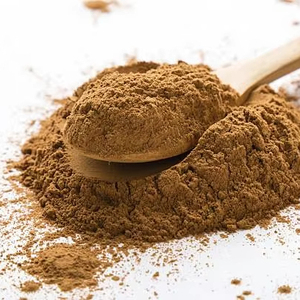
10:1 Ratio Witch Hazel Leaf Extract Powder, Natural Botanical Extract for Cosmetic Formulation
- Active Markers: Tannins ≥ 12.0%
- Solubility: 100% Water Soluble
- Suggested Use: 0.5% – 3.0% (Toners, Serums)
Directly source certified, batch-traceable raw materials and proprietary bases engineered for stable, high-efficacy clean cosmetics. Each ingredient is backed by strict Certificate of Analysis (COA), heavy metal screening, and full EU Regulation (EC) No 1223/2009 compliance.
When procuring custom skincare formulas or OEM personal care solutions, sourcing directors evaluate contract development and manufacturing organizations (CDMOs) on multi-dimensional criteria beyond basic pricing. Below is our industry-standard audit matrix:
| Evaluation Parameter | Tier 1 CDMO Standard (e.g. Rowe Cosmetics) | Generic Contract Manufacturer | Strategic Risk Factor |
|---|---|---|---|
| Cleanroom & Quality System | ISO 22716:2007 (GMP) + ISO 9001 certified cleanrooms with HEPA filtration | Basic ISO 9001 or regional non-GMP baseline | Microbial contamination, batch recall liabilities |
| Analytical Chemistry Support | In-house HPLC, GC-MS fingerprinting, UV-Vis, in-vitro stability incubators | Outsourced third-party random testing only | Active degrade, inconsistent batch bio-potency |
| Regulatory File Readiness | Full PIF (Product Information File), CPNP, MoCRA, SASO, and Halal dossiers | Basic Material Safety Data Sheet (MSDS) only | Customs seizure, delayed regional market entry |
| Prototyping & R&D Agility | Free-of-charge client R&D formulations, 10–14 business days sample loop | High R&D sample fees, 8–12 weeks development lead times | Missed market trend windows, exorbitant upfront Capex |
| Sustainability & Ethics | Vegan Society Certified, Halal, 100% cruelty-free, upcycled cold processing | Uncertified raw sources, non-standardized supply origin | Consumer greenwashing litigation, brand dilution |
Operating from our modern facility in Esenyurt, Istanbul, Rowe Cosmetics bridges high-efficiency manufacturing with European-grade regulatory compliance. We work strictly B2B—never competing with our partner brands on retail shelves.
Located at the commercial crossroads of Europe, the GCC, and North America. Direct intermodal freight connections enable 3-to-5-day overland transit into EU member states and rapid oceanic freight to the USA.
We absorb cosmetic chemistry formulation costs for our manufacturing clients. Our cosmetic PhDs formulate, stability-test, and refine customized master formulas at zero R&D development retainer.
Facility is audited under ISO 22716 GMP and ISO 9001:2015. Eligible formulas carry The Vegan Society trademark registration, authentic Halal certificates, and in-vitro verified broad-spectrum SPF documentation.
From agile pilot batches for indie skincare founders to high-speed 40,000 units/day rotary automated lines for retail conglomerates, our batch sizes scale smoothly without reformulating chemistry.
The cosmetics landscape is transitioning from superficial "greenwashed" claims to high-precision, biologically validated natural efficacy. Brand procurement heads must align supply chains with five dominant shifts:
Procurement mandates across Europe and North America increasingly demand carbon-negative, upcycled ingredients derived from agro-industrial sidestreams. High-value actives extracted from olive pomace, citrus peels, coffee pulp, and winemaking lees are superseding virgin-harvested agricultural inputs. Manufacturers must demonstrate zero-waste extraction (supercritical fluid CO2 and enzymatic digestion) to fulfill Scope 3 emissions reductions.
Endangered botanical species are being protected via bio-fermentation. By utilizing non-GMO yeast strains (such as Pichia pastoris and Saccharomyces cerevisiae), cosmetic formulators can culture high-purity peptides, identical human ceramides, and complex squalene without depleting biodiversity. These fermented compounds offer batch-to-batch molecular consistency unmatched by fluctuating open-field crops.
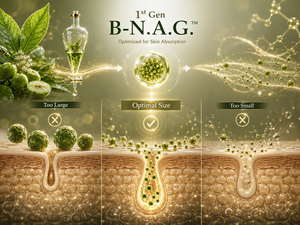
The historical barrier for natural cosmetics was epidermal absorption: botanical polyphenols frequently degraded before traversing the stratum corneum. The modern procurement standard specifies plant-derived exosomes (phyto-exosomes) and biomimetic lecithin liposomes. These 50–150nm vesicles encapsulate sensitive water-soluble botanicals and lipophilic actives, facilitating deep targeted delivery directly into dermal fibroblasts without synthetic penetration enhancers.
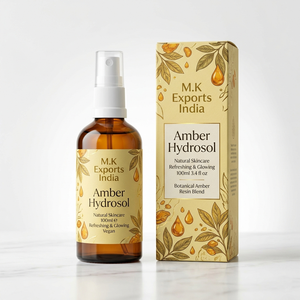
Water constitutes 70% to 90% of conventional personal care formulas, carrying immense shipping weight and requiring aggressive broad-spectrum biocides. Progressive B2B buyers are investing in anhydrous serum sticks, botanical hydrosol bases (such as steam-distilled Amber and Rose hydrolats), and bio-lipid concentrates. Natural cosmetic chemistries now utilize multifunctional glycols, caprylyl glycol isomers, and fermented levulinic acids to create microbial hurdle technology without traditional parabens, phenoxyethanol, or MIT.
Translating raw botanicals into commercially viable, shelf-stable cosmetics demands strict adherence to physical, chemical, and microbiological engineering parameters:
Eliminating synthetic carbomers and PEG surfactants requires pairing polyglyceryl-based emulsifiers with natural rheology modifiers like sclerotium gum, xanthan gum, and bio-fermented hyaluronic cross-polymers to ensure zero phase separation at 45°C.
Botanical polyphenols and unrefined polyunsaturated vegetable oils are susceptible to photo-oxidation. CDMOs must employ synergistic natural antioxidant cascades (e.g., mixed tocopherols, rosemary oleoresin extract, and ferulic acid) to suppress peroxide value spikes.
Active botanical concentrates require real-time compatibility testing with primary packaging materials. Essential monoterpenes can stress-crack PET or migrate through polyolefins. We validate amber borosilicate glass, aluminum monoblocs, and airless EVOH pumps.
Get definitive answers regarding MOQs, regulatory compliance, custom formulation lead times, and global analytical testing standards before initiating your private label or contract manufacturing agreement.
With Private Label (ODM), you select from our catalog of 400+ pre-developed, stability-tested, and EU-compliant master formulations, personalizing active dosages, aromas, and packaging. With Contract Formulation (OEM), our in-house lab reverse-engineers your target benchmark or formulates an entirely novel bespoke chemistry from your product brief, granting your brand exclusive ownership of the formula architecture.
Our MOQs are structured by bulk viscosity and packaging automation complexity. For stock private label formulations using ready-sourced packaging, baseline MOQs typically start at 1,000 to 2,500 units per SKU. Fully bespoke custom R&D formulations requiring specialized hot-pour, sterile filling, or custom component fabrication generally begin at 5,000 units per SKU.
Every batch undergoes rigorous ICH Q1A(R2) stability testing: 3 months of accelerated incubations at 40°C ± 2°C / 75% RH ± 5% RH, alongside freeze-thaw challenge cycles (-10°C to +40°C over 5 cycles). Preservative efficacy is validated via ISO 11930 Antimicrobial Protection Challenge Tests against Pseudomonas aeruginosa, Staphylococcus aureus, Escherichia coli, Candida albicans, and Aspergillus brasiliensis.
We supply a complete Product Information File (PIF). This includes 100% quantitative INCI declarations, Cosmetic Product Safety Report (CPSR Part A signed by certified toxicologists), Certificate of Analysis (COA), Safety Data Sheets (SDS according to GHS/CLP), heavy metal ICP-MS screening (Pb, As, Hg, Cd < 1ppm), allergen declarations, and production records verifying ISO 22716 GMP compliance.
Yes. Rowe Cosmetics operates under strict segregated cross-contamination controls. We hold official Halal certification, ensuring zero porcine derivatives or unapproved alcohol compounds across our compounding lines. Furthermore, our raw material index is prioritized for registered Vegan Society compliance, eliminating animal carmine, lanolin, beeswax, and animal collagens.
Sensitive polyphenols and volatile tannins degrade rapidly when exposed to high processing shear or thermal spikes. We utilize nitrogen-blanketed vacuum homogenizers and low-temperature cold-phase incorporation (adding bio-actives below 40°C). Analytical potency is confirmed pre- and post-compounding via High-Performance Liquid Chromatography (HPLC).
Phase 1 (Briefing and Lab Prototyping): 10 to 14 business days. Phase 2 (Client Sample Approval & Challenge Testing): 4 to 8 weeks (concurrent with component ordering). Phase 3 (Automated Bulk Compounding, Filling, Cartoning, & QC Release): 3 to 4 weeks. Standard total turnaround for a net-new custom formulation is typically 8 to 12 weeks.
Yes. We maintain pre-audited relationships with premier European and global packaging fabricators. We source, screen, and test glass bottles, PCR plastic tubes, airless pump dispensers, and FSC-certified secondary cartons. Our mechanical engineers verify pump dosing precision, closure torque integrity, and seal barrier resistance against volatile aroma loss.
Approximately 95% of our chemical raw materials, active extracts, and specialized surfactants originate directly from certified synthesis plants across Germany, France, Switzerland, and Italy. Suppliers must undergo annual quality audits and furnish full traceability dossiers confirming non-GMO origin, REACH registration, and absence of microplastics.
Our English-fluent corporate export department regularly ships to the European Union (Germany, France, Netherlands), the UK, the United States, and the GCC region (UAE, Saudi Arabia, Qatar). We prepare specialized export crating, ISPM-15 heat-treated pallets, ATR documentation, Certificate of Origin, and assist your designated freight forwarder with seamless customs clearance.
Consult directly with our cosmetic chemists and export directors. Whether you require custom formulation development, pilot batch prototyping, or high-volume automated contract bottling, we transform your botanical skincare vision into high-yield, compliant retail inventory.