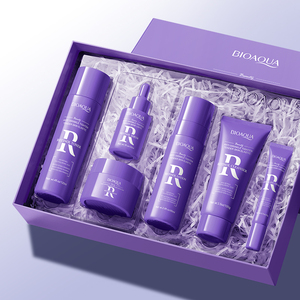
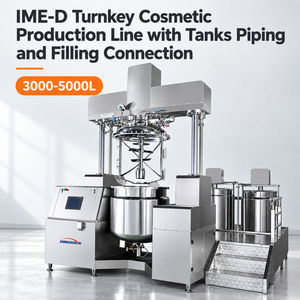
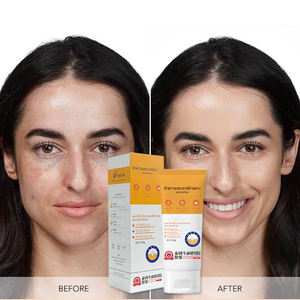
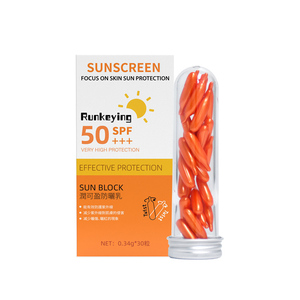
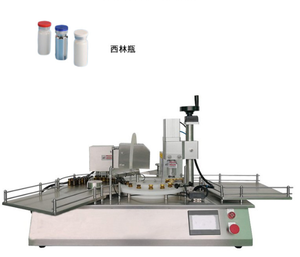
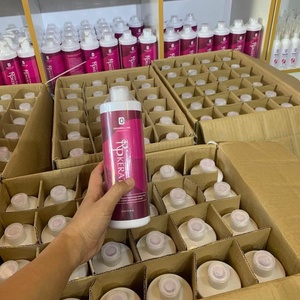
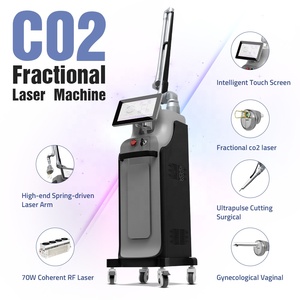
Explore our curated range of OEM/ODM personal care formulations, high-shear homogenizing machinery, and laboratory filling equipment ready for rapid B2B deployment.
The global personal care and odor-control market is undergoing a structural paradigm shift. Valued at over $30 Billion globally, the category is pivoting rapidly from conventional antiperspirants relying on pore-blocking aluminum salts (Aluminum Chlorohydrate and Aluminum Zirconium) toward bio-compatible, clean-label, and microbiome-friendly deodorant formulations. For beauty brand owners, e-commerce sellers, and retail procurement managers, selecting an optimal OEM/ODM contract manufacturer is no longer merely a pricing exercise; it is a complex cross-border compliance, R&D compatibility, and supply chain resiliency decision.
When evaluating private label deodorant manufacturers, professional brand managers must look past basic unit costs and analyze technical infrastructure—specifically high-shear emulsification capabilities, automated stick filling technology, stability testing rigor under ICH conditions, and raw material provenance. Below is our definitive procurement benchmark analyzing the global manufacturing landscape.
An objective evaluation of key global contract manufacturing regions for personal care and deodorant lines.
| Manufacturing Region | Compliance Standards | MOQ Flexibility | R&D Agility & Formulation | Supply Chain Efficiency | Cost-to-Quality Ratio |
|---|---|---|---|---|---|
| Turkey (Rowe Hub) | ISO 22716 GMP, EU EC 1223/2009, Halal | High (Flexible for Startups & Enterprise) | In-house R&D, Free Sample Iteration | Strategic Bridge (EU, UK, US, GCC) | Optimal (High-Tier European Quality) |
| Western Europe (France/Germany) | ISO 22716 GMP, EU EC 1223/2009 | Low (High MOQs > 20,000 units) | High Expertise, Slow Lead Times | Excellent within EU | High Overhead Costs |
| North America (USA/Canada) | FDA OTC Monograph, cGMP | Moderate to Low Flexibility | Strong OTC Expertise | Ideal for Local Domestic US | High Unit Costs & Regulatory Friction |
| East Asia (South Korea) | K-FDA, ISO 22716 GMP | Moderate MOQs | Innovative Textures & Packaging | Long Shipping Times to Western Hubs | Moderate to High Logistics Costs |
A rigorous checklist for cosmetic sourcing directors to mitigate product recall risks, ensure regulatory approval, and maximize margin potential.
Verifiable Good Manufacturing Practice (GMP) compliance ensures strict hygiene standards, air-filtration protocols, and batch-to-batch consistency in controlled cleanroom environments.
Proper dispersion of active odor-neutralizing powders (such as Magnesium Hydroxide, Zinc Ricinoleate, and AHA acids) requires industrial high-shear homogenizers to eliminate grittiness.
Full technical documentation including Safety Data Sheets (SDS), Certificates of Analysis (COA), IFRA 51st Amendment compliance, and EU CPNP / UK SCPN registration files.
Rigorous preserve efficacy challenge testing (ISO 11930) and 3-month accelerated stability chambers (at 40°C / 75% RH) to prevent formula separation, discoloration, or rancidity.
Factories equipped for automated hot-fill stick molding, liquid roll-on assemblies, aerosol pressurized cans, and waterless balm tin packaging.
Integrated packaging supply chains capable of sourcing Post-Consumer Recycled (PCR) plastics, biodegradable paperboard push-up tubes, and refillable stainless steel or aluminum cartridges.
In-house cosmetic chemists capable of customizing base formulas with proprietary fragrance blends, botanical extracts, or active enzymes without exorbitant upfront development fees.
Clear BOM (Bill of Materials) breakdowns separating raw material costs, secondary packaging assembly, label application, and palletization freight prep.
Facility-wide certification for Halal production lines, Vegan Society trademark registration, and Cruelty-Free process validation for international market expansion.
Consumer preferences have evolved from simply masking odor to seeking active skin-health benefits in their daily body care routines. To stay competitive, beauty brands must partner with contract manufacturers actively formulating with next-generation bio-tech actives:
Rather than killing all axillary microflora with harsh antibacterial agents, modern formulas utilize Lactobacillus ferments and prebiotic oligosaccharides. These selectively nourish beneficial microflora while suppressing Corynebacterium species responsible for converting odorless sweat into volatile fatty acids (VFAs).
Formulating with low-pH Alpha Hydroxy Acids (AHAs like Lactic and Mandelic Acid) lowers skin pH below the threshold required for odor-causing bacteria to thrive, while simultaneously treating underarm hyperpigmentation and ingrown hairs.
Transitioning from irritating Sodium Bicarbonate (baking soda) to micronized Magnesium Hydroxide, Zinc Ricinoleate, and Saccharomyces Ferment filtrate provides non-irritating 24-hour odor protection suitable for hyper-sensitive skin types.
Utilizing motion-activated or moisture-triggered encapsulate technology releases fresh fragrance notes specifically when body temperature spikes or perspiration occurs, ensuring prolonged freshness throughout physical exertion.
Operating from our modern manufacturing campus in Esenyurt, Istanbul, Rowe Kozmetik San. ve Tic. Ltd. Şti. serves as a premier B2B production engine for cosmetic brands across Europe, the United Kingdom, North America, and the Gulf Cooperation Council (GCC) region. We combine European chemical standards with competitive regional manufacturing economics.
Detailed technical, operational, and regulatory answers to facilitate your vendor onboarding process.
ODM (Original Design Manufacturing / Private Label) allows brands to leverage our market-proven, pre-tested base formulas and rapidly customize branding, packaging, fragrance, and key active ingredients. OEM (Original Equipment Manufacturing / Contract Manufacturing) involves producing a proprietary formula entirely based on your provided INCI list, technical specifications, or confidential master formulation.
MOQs are flexible depending on the formulation complexity, primary packaging components (e.g., custom molded stick containers vs. standard roll-on bottles), and active ingredients chosen. Our export sales team calculates customized minimum project quantities tailored to your brand's growth phase.
Yes. Our in-house R&D chemists specialize in natural, aluminum-free, and sodium bicarbonate-free deodorants utilizing non-irritating alternatives like Magnesium Hydroxide, Zinc Ricinoleate, Tapioca Starch, and probiotic ferment filtrates that offer 24-hour odor protection without skin sensitization.
Every commercial batch and newly developed formulation undergoes rigorous 3-month accelerated stability testing (incubated at 40°C and 75% relative humidity), freeze-thaw thermal cycling, and microbiological challenge testing according to ISO 11930 standards prior to mass filling.
For custom formulation development projects, formula ownership terms are clearly defined in our B2B contract agreements. When clients fund proprietary custom R&D development, formula ownership and exclusivity rights can be transferred upon project completion.
Yes. All raw materials sourced and formulas developed in our Istanbul facility strictly adhere to EU Cosmetics Regulation (EC) No 1223/2009, IFRA fragrance standards, and REACH compliance. We provide complete technical data packages to assist your EU Responsible Person (RP) with CPNP notifications.
Standard production timelines range between 4 to 6 weeks following sample approval and packaging component arrival. Production milestones—including raw material inspection, bulk mixing, filling, QC release, and palletization—are transparently tracked and communicated by your dedicated export coordinator.
Yes. We provide complete turnkey support, sourcing primary packaging (glass, PET, airless pumps, aluminum tins, and eco-friendly paperboard tubes) and secondary packaging (outer display boxes and labels), while ensuring label artwork meets international regulatory labeling standards.
Partner with a certified ISO 22716 GMP contract manufacturer in Istanbul. Contact our export team today for technical consultation, full product catalogs, and custom sample requests.