Pre-validated commercial formulations, turnkey cosmetics production hardware, and high-purity active botanical bases ready for private label OEM/ODM customization across international territories.
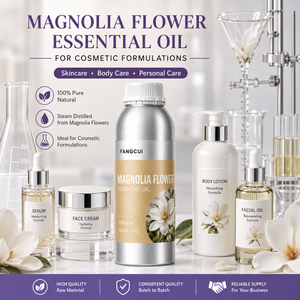
High-linalool steam-distilled formulation base with IFRA certification, serving as a delicate white floral heart note for premium fine fragrances and skin serum formulas.
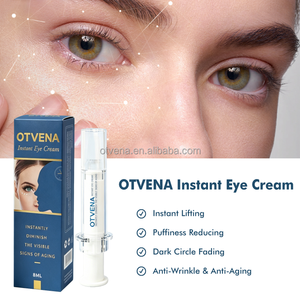
Peptide-mineral emulsion matrix proven to attenuate periorbital microcirculation stagnation; EU cosmetic safety dossier compliant for immediate regional licensing.
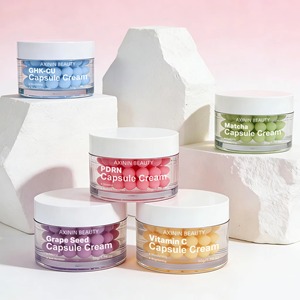
Micro-encapsulated core-shell delivery preserving volatile regenerative actives against oxidative degradation; engineered for prestige clinical anti-aging lines.
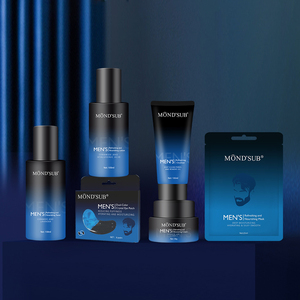
Sebum-modulating witch hazel and multi-lamellar ceramide complex formulated specifically for male epidermal lipid profiles; high export volume across GCC & EU.
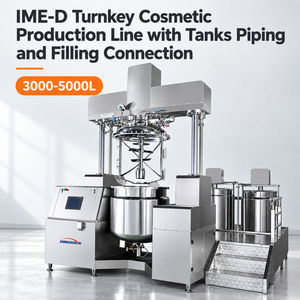
GMP-compliant sanitary 316L stainless steel emulsification reactor with integrated vacuum deaeration and automated filling connections for high-viscosity creams.
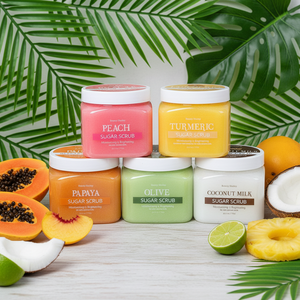
Fine crystalline sucrose suspended in cold-pressed plant esters; 100% biodegradable formula, zero microplastics, registered under The Vegan Society standard.
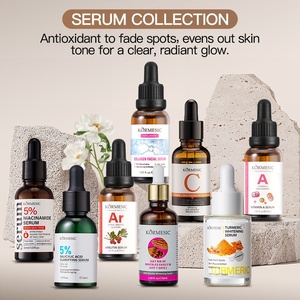
High-concentration madecassoside combined with ultra-purified 5% niacinamide to reinforce stratum corneum barrier integrity while regulating localized melanin synthesis.
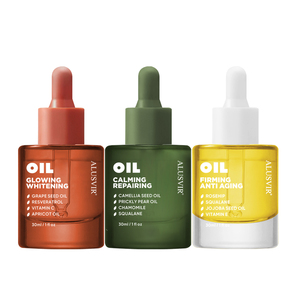
Next-generation retinaldehyde providing 11x faster cellular conversion than retinol without associated dermal erythema; vacuum-sealed amber glass packaging.
Daily Production Capacity (Units/Day) on Automated Lines
Monthly Bulk & Filling Output Capacity under ISO 22716 GMP
Raw Materials Sourced Exclusively from Certified European Suppliers
Commercial Ready Formulas across Fragrance, Skincare & Bodycare
Navigating global perfume procurement requires a sophisticated understanding of geographic positioning, customs harmonization, and strict adherence to international safety standards. Based in Esenyurt, Istanbul, Rowe Cosmetics (Rowe Kozmetik San. ve Tic. Ltd. Şti.) stands at the fulcrum of Eurasian logistics, offering brands worldwide the dual advantages of European-quality raw material integration and high-efficiency manufacturing cost structures.
Unlike broker-middlemen, our integrated manufacturing plant houses formulation chemistry, alcohol maceration vats, automated chilling-filtration lines, and multi-format bottling systems under one unified quality system. Every batch produced complies directly with EU Cosmetics Regulation (EC) No 1223/2009, aligns with the latest IFRA (International Fragrance Association) standards, and carries verification from The Vegan Society and formal Halal accreditation.
A rigorous comparative analysis of dominant contract fragrance manufacturing hubs, evaluating technical capabilities, regulatory friction, minimum order commitments, and logistical efficiency for international B2B buyers.
| Exporter / Region Hub | Primary Strengths & Product Specialization | Compliance Architecture | Average Lead Time | MOQ Flexibility & Strategic Fit |
|---|---|---|---|---|
| 1. Rowe Cosmetics (Turkey) | Turnkey Eau de Parfum, alcohol-free oil perfumes, high-speed automated filling (40k/day), free lab R&D. | ISO 22716, ISO 9001, EU 1223/2009, IFRA, Halal, Vegan | 3 - 5 Weeks | High Flexibility. Ideal for emerging to enterprise brands seeking EU quality at optimized margin. |
| 2. Grasse Parfumerie Clusters (France) | Prestige heritage fine fragrance, natural botanical extraction, hyper-luxury niche branding. | EU 1223/2009, ANSM, IFRA, ISO 22716 | 12 - 20 Weeks | Low Flexibility (High MOQs, 10,000+ units). Best for established high-margin couture houses. |
| 3. Lombardy Cosmetic Hub (Italy) | Artisan glass bottle integration, bespoke cap metallurgy, high-concept fragrance design. | EU Cosmetics Standard, IFRA, ISO 22716 | 10 - 16 Weeks | Moderate. Premium pricing per unit, exceptional secondary packaging design. |
| 4. Dubai Industrial Park (UAE) | Concentrated Mukhallat, Oriental Oud formulations, amber-heavy luxury sprays, rapid GCC distribution. | GSO 1943/2021, ESMA, Halal Certified | 4 - 8 Weeks | Moderate to High. Premier choice for Middle Eastern profiles and high-concentration oil perfumes. |
| 5. Barcelona Fragrance Valley (Spain) | Commercial citrus and fresh Mediterranean profiles, fast-moving consumer goods (FMCG) body mists. | EU 1223/2009, ISO 22716, IFRA | 8 - 12 Weeks | Moderate. Competitive for mid-tier retail chain white-label lines. |
| 6. New Jersey Sourcing Corridor (USA) | Fast-turn indie perfumes, clean fragrance formulations, retail replenishment for North American chains. | US FDA MoCRA, cGMP 21 CFR 701, IFRA | 6 - 10 Weeks | Moderate. Ideal for US brands avoiding cross-border shipping and customs clearance. |
| 7. Seoul & Gyeonggi Valley (South Korea) | Solid perfumes, scented body ampoules, minimalist botanical fragrance mists, hybrid skin-scents. | MFDS Standards, ISO 22716 | 6 - 9 Weeks | High. Superior packaging novelty and innovative sensory delivery vehicles. |
| 8. Holzminden & Leipzig (Germany) | High-tech aroma-chemical synthesis, clean fragrance micro-emulsions, automated chemical consistency. | EU 1223/2009, REACH, ISO 22716 | 10 - 14 Weeks | Strict MOQs. Exceptional analytical testing and raw material safety documentation. |
| 9. Guangzhou Chemical Belt (China) | Ultra-low component costs, mass-market aerosol mists, vast hardware and bottle mold customization. | NMPA Compliance, ISO 22716 | 5 - 8 Weeks | Very High MOQs. Exceptional for budget mass-distribution, potential freight volatility. |
| 10. Geneva Sourcing Basin (Switzerland) | Ultra-niche cellular scent drops, patented encapsulation carriers, high-tier private wealth lines. | Swiss Cosmetic Ordinance, IFRA, ISO 22716 | 14 - 22 Weeks | Very Low Flexibility. Highest barrier to entry, extreme unit pricing. |
Crucial shifts in regulatory scrutiny, sustainable chemical synthesis, and solvent technology reshaping procurement criteria for chief sourcing officers between 2026 and 2030.
Traditional denatured ethanol faces escalating freight restrictions (Dangerous Goods Class 3, UN 1266) and rising clean-beauty consumer scrutiny. The market is shifting aggressively toward water-based micro-emulsions and bio-derived fermented cane solvents.
Circular economy principles are directly entering fragrance pyramids. Leading exporters now utilize side-stream forestry cedar extracts, spent coffee ground absolutes, and citrus peel distillates from beverage manufacturing to construct verifiable sustainable claims.
The transition from 26 to 56 individual declarable fragrance allergens under European Commission Regulation (EU) 2023/1545 mandates that exporters possess state-of-the-art Gas Chromatography-Mass Spectrometry (GC-MS) instrumentation to prevent market recalls.
The commercial success of a private label fragrance line depends on the chemical kinetics of aging, solvent-solute binding, and packaging barrier integrity. Here is how advanced industrial manufacturing ensures sensory persistence.
Premature bottling leads to cloudy precipitation and scent distortion. Industrial production requires cold maceration at 4°C for a minimum of 21 to 28 days, allowing natural waxes and resins to coagulate before sub-micron filtration removes instability without stripping top-note volatiles.
Extending skin longevity from 4 to 12+ hours requires non-distorting chemical fixatives such as Ambroxan, Hedione, and specialized macrocyclic musks. These fixatives anchor the volatile esters in the head notes without altering the intended olfactive pyramid.
Fragrance compounds act as aggressive solvents against substandard plastics. Our engineering team conducts accelerated thermal chamber testing (45°C for 12 weeks) on pump dip tubes, crimp gaskets, and interior lacquer liners to prevent leakage and evaporative loss.
Direct answers addressing technical stability, customs documentation, Dangerous Goods transport, and contract manufacturing terms.
Under a Private Label (ODM) model, you select from our pre-developed, stability-tested, and IFRA-compliant fragrance library (over 400 ready formulas). You customize the bottle silhouette, atomizers, cap finishes, branding, and packaging artwork. This delivers the fastest time-to-market (typically 3-5 weeks). In contrast, Contract Manufacturing (OEM) involves reverse-engineering your benchmark scent, scaling your proprietary concentrate formula, or co-developing a bespoke olfactive pyramid from scratch with our in-house chemists. OEM timelines include maceration trials and multi-climate stability testing.
Perfumes containing denatured ethanol fall under UN 1266, Class 3 Flammable Liquids, Packing Group II or III. Our export department prepares certified UN-approved corrugated cartons with specific drop-test certifications, provides authorized Material Safety Data Sheets (MSDS/SDS), and issues complete dangerous goods declarations for sea container loading or cargo air shipments. We also formulate water-based and botanical oil-based alternative perfumes that bypass DG shipping surcharges completely.
We supply full regulatory technical dossiers required for immediate national filings. This includes: complete Certificate of Analysis (CoA), IFRA 51st Amendment Conformity Certificates, 56-Allergen Breakdown Sheets, Quantitative-Qualitative INCI formulations, 12-week Accelerated Stability Reports, Challenge Testing (ISO 11930), and toxicological raw material profiles. This documentation directly equips your EU Responsible Person (RP) to log the Cosmetic Product Notification Portal (CPNP) entry, complete the UK SCNP filing, or fulfill US FDA MoCRA facility and product listing obligations.
MOQs are flexible depending on whether standard in-stock glass components or custom-molded tooling are selected. Typically, our standard private label runs start as low as 1,000 units per SKU, allowing emerging brands to launch multi-fragrance collections without excessive inventory lockup. For fully automated contract filling lines utilizing bespoke bottles, MOQs generally align at 5,000 to 10,000 units. Standard production lead times run between 3 to 5 weeks from approved artwork and deposit receipt.
Yes. As a B2B manufacturing partner, Rowe Cosmetics provides free formulation R&D for committed clients. We prepare sample vials of selected olfactive targets, adjusting concentrate levels (Eau de Toilette 10-12%, Eau de Parfum 15-20%, Extrait de Parfum 25-35%) to balance diffusion, sillage, and target price points without invoicing development fees.
Turkey offers a unique geographic and economic bridge: via the EU-Turkey Customs Union, cosmetic goods manufactured in our Istanbul facility enter the European Union with 0% customs duties and simplified ATR movement certificates. Furthermore, operational costs, skilled labor efficiencies, and proximity to European fine fragrance ingredient houses allow us to deliver world-class French/Italian quality compounds at a substantially lower total landed cost.
Access our confidential commercial product library, request physical formulation samples, or book a technical consultation with our cosmetic chemists and export directors.