Engineered specifically for Northern European skin profiles exposed to coastal marine microclimates, our portfolio marries clean dermatological efficacy with uncompromising Islamic purity criteria. Sourced under zero-porcine verification and pharmaceutical-grade bio-fermentation.
 Halal Certified
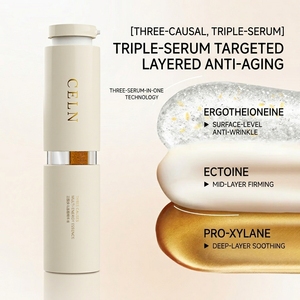
Ultra-stable vitamin multi-complex formulated without synthetic ethyl alcohol or animal squalene. Fortifies dermal density against North Sea wind chills.
 Clean & Halal
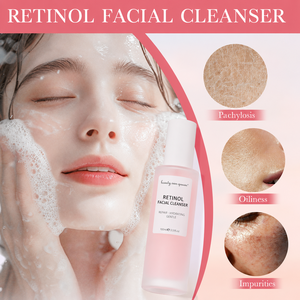
Micro-encapsulated retinaldehydes embedded within plant-derived coco-glucosides. Zero tight-dry feeling post cleansing, suitable for wudhu purification.
 Bestselling Active
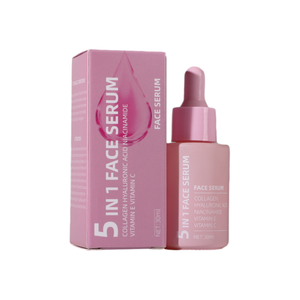
Synergistic multi-molecular mass sodium hyaluronate combined with bio-fermented non-animal recombinant collagen for superior dermal barrier recovery.
 100% Botanical
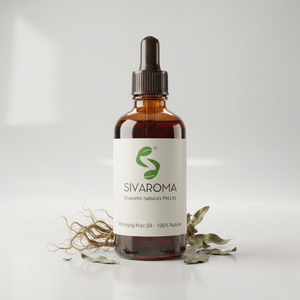
Cold-pressed Eclipta Prostrata combined with organic sesame seed carrier oils. Formulated explicitly for scalp hypoxia associated with covered headwear.
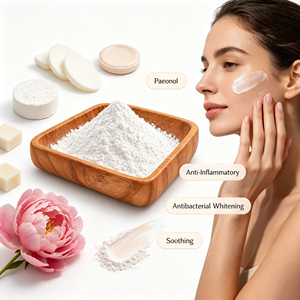 Pharma Raw Material
99.2% HPLC assay crystallized paeonol. Suppresses neurogenic inflammation, inhibits Tyrosinase activity, and addresses reactive rosacea in cold climates.
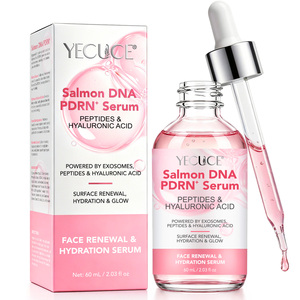 Clinical Mesotherapy
Purified marine polydeoxyribonucleotide (PDRN) sourced strictly from non-prohibited aquaculture species under Halal dietary slaughter-free extraction laws.
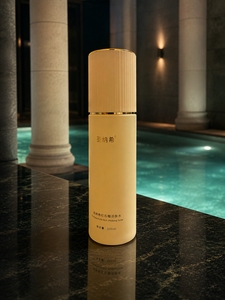 Pure Hydration
Hyper-pure micro-clustered Alpine water combined with ectoine and beta-glucan. Zero synthetic alcohol, maintaining a balanced 5.5 pH acid mantle.
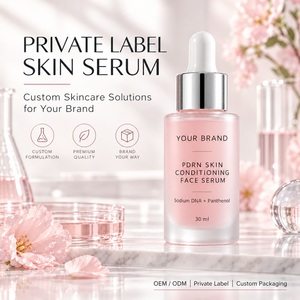 Medical Aesthetics
Cosmeceutical formulation enriched with copper tripeptide-1 and non-animal squalane. Optimizes stratum corneum cell turnover and post-laser skin healing.
An empirical study into the technical convergence between Islamic Shariah purity standards and the stringent safety thresholds of the European Union Cosmetics Regulation for Hamburg's cosmopolitan retail infrastructure.
The Free and Hanseatic City of Hamburg represents far more than Germany’s second-largest metropolitan center; it constitutes Europe’s third-largest container port and the premier maritime logistical hub for bilateral consumer trade with East Asia. Boasting a highly diverse demographic matrix, Hamburg hosts over 160,000 Muslim residents across commercial nodes like Altona, St. Georg, Harburg, and Wilhelmsburg, while simultaneously serving as the high-volume wholesale redistribution nexus for the broader DACH region (Germany, Austria, Switzerland) and Scandinavia.
Historically, the European halal cosmetic landscape suffered from fragmentation—relying on small-scale imports that frequently lacked complete toxicological dossiers or failed strict European stability testing. Today, Hamburg's forward-thinking retail landscape, dominated by dermo-cosmetic pharmacies (Apotheken), organic drugstores (such as Budnikowsky, dm-drogerie markt, and Rossmann), and high-end fragrance boutiques, demands a sophisticated hybrid: Halal-Certified Clean Cosmetics. Brands operating in this corridor can no longer treat Halal as a superficial niche; it has evolved into the ultimate guarantee of ethical transparency, microbiological superiority, and biological safety.
When engineering cosmetic formulations in our modern ISO 22716 Chinese manufacturing facilities for deployment in Hamburg, two regulatory frameworks must be harmonized at the molecular level: GSO 2055-1 / SMIIC 1 Halal standards and the European Cosmetics Regulation (EC) No 1223/2009.
Our dedicated regulatory and export division prepares complete Product Information Files (PIF), assists in retaining a Germany-based EU Responsible Person (RP), and manages direct electronic notifications through the European Commission's Cosmetic Products Notification Portal (CPNP) prior to maritime departure.
| Regulatory & Technical Parameter | Conventional OEM Manufacturer | Standard Clean Beauty Factory | Our Halal & EU Integrated Facility |
|---|---|---|---|
| Porcine & Animal By-Product Protocol | Commonly utilizes animal stearates, collagen, & tallow | Avoids animal parts, but risk of cross-contamination | Dedicated lines, 100% PCR DNA porcine-free |
| Ethanol / Alcohol Solvent Profiling | Industrial denatured ethanol (frequently toxic bitrex) | May contain bio-fermented high-proof alcohol | 0.00% Intoxicating ethanol; non-drying fatty polyols |
| EU CPNP & German BVL Verification | Buyer must draft their own lab safety dossier | Standard EU safety testing without Halal validation | Full PIF + CPSR + CPNP support via German toxicologist |
| Water Permeability (Wudhu Ablution) | Heavy occlusive silicones & petrolatum barriers | Varies; occlusive plant waxes common | Validated vapor & water-permeable micro-emulsions |
| Heavy Metal & Microbiological Limits | Local standard thresholds (Pb <10ppm, As <3ppm) | EU Standard <1000 CFU/g bio-burden | Zero detectable heavy metals; <10 CFU/g sterile |
Formulating cosmetics for the Hamburg consumer requires a precise understanding of maritime North Sea climate stresses, clinical pharmacy standards, and urban Muslim lifestyle dynamics.
Hamburg experiences high-humidity, damp cold, and frequent gale winds from the North Sea during autumn and winter, followed by intense indoor dry radiator heating. This rapid oscillation provokes severe Trans-Epidermal Water Loss (TEWL), triggering lipid layer collapse, rosacea flare-ups, and eczema.
Our custom-formulated Paeonol Powder Moutan Bark Extract and multi-ceramide creams deliver non-occlusive, biomimetic stratum corneum repair. By mimicking the skin’s natural lipid bilayers without pig-derived cholesterol or mineral hydrocarbons, these formulas provide all-day barrier defense for daily commuters traversing the Jungfernstieg and HafenCity districts.
Observant Muslim professionals and students in Hamburg perform ablution (Wudhu) up to five times daily before prayer, which requires pure water to touch the epidermal surface. Traditional occlusive sunscreens, heavy silicone serums, and water-resistant mineral oils form an impermeable hydrophobic layer that invalidates the ritual washing.
We engineer Water-Permeable & Breathable Emulsions utilizing our proprietary polyquaternium-free cross-polymers. Products such as the Korean Gentle Retinol Cleanser and SANAE Swiss Glacier Water Tonic facilitate swift cleansing, optimal water transmission, and zero barrier stickiness, empowering modern German Muslims to maintain spiritual compliance and cosmetic elegance simultaneously.
Women who wear the headscarf (Hijab) throughout long corporate, healthcare, or academic workdays in Hamburg frequently experience localized microclimate shifts beneath fabric wraps: elevated scalp humidity, restricted microcirculation, sebum accumulation, and tension alopecia.
Leveraging supercritical extraction, our Botanical Bhringraj Hair Formulation incorporates bio-active ayurvedic adaptogens and rosemary polyphenols within ultra-lightweight, non-greasy carrier lipids. It revitalizes follicular respiration, mitigates Malassezia yeast overgrowth without harsh antifungals, and restores tensile fiber strength—delivering an indispensable high-margin SKU for Hamburg's independent organic salons and dermo-retailers.
Three defining macroeconomic forces are transforming how Northern German consumers purchase ethical personal care, presenting extraordinary opportunities for private label brand founders.
Germany possesses one of Europe's most mature vegan consumer bases (exceeding 8 million individuals identifying as vegetarian or vegan). In Hamburg, where eco-conscious lifestyle trends peak in neighborhoods like Sternschanze and Eimsbüttel, the non-Muslim population actively seeks out products stamped with Halal integrity.
Consumers recognize that authentic Halal certification guarantees zero slaughterhouse by-products, total traceability of bio-fermented actives, and superior hygiene during manufacturing. By launching dual-certified "Halal & 100% Vegan" product lines manufactured in our ISO 22716 plant, brands achieve broader consumer appeal across both Muslim shoppers and clean-beauty non-Muslim demographics.
Hamburg consumers gravitate away from fragranced mass-market retail towards dermatologically grounded, pharmacy-exclusive skincare brands. With the rise of private dermatology clinics and aesthetic practices along the Neuer Wall and Rotherbaum, clinical ingredients like Salmon DNA PDRN and multi-peptides are witnessing exponential demand.
Our sterile Class 10k laboratory cleanrooms specialize in private label PDRN serums, bio-placenta cellular boosters, and micro-molecular vitamin cocktails that mirror medical-grade mesotherapy vials. These formulas satisfy Germany's stringent microbial limits (<10 CFU/g) while maintaining pure, cruelty-free Halal status.
Supply chain volatility across the European landmass has prompted German cosmetic brand owners to establish direct contract manufacturing agreements with large-scale Chinese OEM leaders rather than dealing with local sub-contracting brokers with inflated markups.
Hamburg’s container terminals (CTA Altenwerder, CTT Tollerort) provide direct weekly liner services connecting Shanghai and Ningbo. With ocean transit times ranging from 28 to 34 days, local brand founders achieve unprecedented scale economies—cutting cost-of-goods-sold (COGS) by up to 55% while maintaining formulations fully aligned with the German Food and Feed Code (LFGB) and EU 1223/2009.
Definitive answers to the core regulatory, technical, and logistical questions encountered by German purchasing directors, pharmacy buyers, and indie brand managers.
Our production facilities maintain mutual recognition agreements with leading international Halal accreditation bodies (including JAKIM Malaysia, MUI Indonesia, and SMIIC guidelines). Under EU Cosmetics Regulation (EC) No 1223/2009, "Halal" is regulated as a claim under the Technical Document on Cosmetic Claims (Commission Regulation (EU) No 655/2013). We provide comprehensive verification documentation—including Certificate of Analysis (CoA), porcine-free PCR assay test reports, and non-animal raw material statements—ensuring complete legal defensibility against any audit by Hamburg’s Behörde für Justiz und Verbraucherschutz (BJV).
Before any cosmetic batch can be legally placed on the German market, it must be notified via the Cosmetic Products Notification Portal (CPNP). We provide an exhaustive, turnkey Product Information File (PIF) that includes: 1) Quantitative and qualitative INCI formulation details; 2) Physical, chemical, and microbiological specifications; 3) 3-month accelerated stability and freeze-thaw stability data; 4) Challenge test reports according to ISO 11930; 5) Toxicological evaluation of all raw materials; 6) Part A and Part B Cosmetic Product Safety Report (CPSR) pre-reviewed by certified safety assessors. If you do not have an in-house safety team, our German consulting partners can act as your registered EU Responsible Person (RP).
We enforce a strict policy: Zero intoxicating, fermented ethyl alcohol (Khamr) is permitted in our production areas. In cosmetic chemistry, compounds such as Cetearyl Alcohol, Stearyl Alcohol, and Cetyl Alcohol are chemically defined as fatty alcohols (non-intoxicating, solid, emollient waxy esters derived from sustainably sourced coconut or palm kernels). These ingredients are universally recognized as 100% Halal by global scholars and serve to moisturize the dermal barrier rather than dehydrate it, fully conforming to German dermo-cosmetic standards.
Under classical Islamic jurisprudence, aquatic animals that reside exclusively in water (such as scale-bearing fish species like Oncorhynchus keta salmon) are inherently permissible (Halal) without requiring land-animal ritual slaughtering procedures (Zabihah). Our PDRN (Polydeoxyribonucleotide) is extracted from humanely harvested salmon sperm cells during authorized aquaculture cycles. The molecular isolate undergoes proprietary high-temperature enzymolysis, viral filtration, and extensive deproteinization to isolate pure DNA fragments without biological or bovine/porcine enzyme residues.
We maintain highly flexible entry tiers tailored to both emerging boutique brands and major retail volume operators in Northern Germany. For our pre-tested, CPNP-ready formulations (such as our 5-in-1 Vitamin Serums or Swiss Glacier Water Tonic) in standardized glass or PET packaging with customized labels and boxes, our MOQ starts at just 1,000 to 3,000 units per SKU. For bespoke chemical formulations (custom scent profiles, bespoke viscosity, or novel bioactive complexes), our baseline batch volume is typically 50kg to 100kg of bulk compound (approx. 3,000 to 5,000 finished units).
Our development and logistics timeline operates on strict milestone benchmarks: 1) Initial lab sample dispatch: 5 to 7 working days via express air courier (DHL/FedEx); 2) Sample iteration and stability sign-off: 1 to 2 weeks; 3) Mass automated production and packaging: 20 to 25 calendar days following artwork and packaging component approval; 4) Sea freight from Shanghai or Ningbo direct to Port of Hamburg (Waltershof Terminal): 28 to 34 ocean days. We also offer expedited Air-Sea multimodal options via Dubai or Frankfurt for urgent commercial product launches.
Yes. Article 19 of EU Regulation 1223/2009 stipulates that specific labeling elements (including nominal content, function of the cosmetic, special precautions for use, and storage conditions) must be printed in the official language of the Member State where the product is made available to end-users (in Germany: the German language). Our regulatory documentation desk reviews your German packaging artwork to ensure proper INCI nomenclature order, batch number encoding, PAO (Period After Opening) symbols, and compliant metric volume formatting.
Over 95% of our foundational active compounds and specialized emulsifiers are sourced from internationally validated chemical suppliers (such as BASF, Clariant, Croda, DSM, and Symrise) or through our internal, GMP-certified botanical extraction suites. Every raw material lot undergoes rigorous gas chromatography-mass spectrometry (GC-MS) testing and real-time PCR genetic assay checks. Furthermore, our production vessels, high-shear homogenizers, and filling nozzles undergo triple-phase validated Clean-In-Place (CIP) sanitization with non-alcoholic, Halal-approved cleaning reagents to guarantee zero contamination.
Absolutely. German consumers hold high expectations for photostable, non-greasy UV protection, and institutions like Stiftung Warentest rigorously inspect UVA-PF / UVB ratios. We formulate hybrid and physical sunscreens employing surface-treated Non-Nano Zinc Oxide and EU-approved organic filters (such as Tinosorb S, Tinosorb M, and Uvinul A Plus) without animal beeswax or animal-derived stearic acid. Every SPF formulation is verified via in-vivo ISO 24444 (SPF) and in-vitro ISO 24443 (UVA) testing in accredited laboratories before mass batch filling.
We offer full commercial flexibility: FOB (Ningbo/Shanghai), CIF (Port of Hamburg), or full DDP (Delivered Duty Paid) directly to your central distribution warehouse anywhere in Hamburg, Lower Saxony, or Schleswig-Holstein. Under DDP terms, our freight forwarding partners handle customs clearance, commercial invoice filing, payment of EU Common Customs Tariff (typically 0% to 6.5% for cosmetics), and German import VAT (19% Einfuhrumsatzsteuer), providing you with a seamless domestic delivery experience.
Engineered as an exclusive B2B contract manufacturing powerhouse, our facilities fuse high-capacity German homogenization machinery with state-of-the-art Chinese cleanroom efficiency.
We operate exclusively as a contract manufacturer (OEM/ODM). We do not market direct-to-consumer private brands in European retail, ensuring your formula ownership, branding confidentiality, and retail margins remain 100% protected.
Featuring automated high-speed filling, induction sealing, labeling, and laser coding operating inside ISO 22716 GMP Class 100,000 cleanrooms. Delivering 40,000 finished units daily and over 1.2 million units monthly with zero deviation.
Our team of senior cosmetic chemists provides complimentary formulation design, active compound stabilization, and texture matching. Initial lab sample prototypes are synthesized and air-dispatched to Hamburg within 5 to 7 business days.
We stock over 250 premium primary packaging styles: airless dropper bottles, amber medical-grade glass, PCR recycled ocean plastics, and luxury soft-touch acrylics, pre-tested for chemical compatibility and leakage during high-altitude and marine transit.
Connect directly with our specialized export chemical engineering desk. Request complete regulatory dossier previews, factory audit documentation, or request custom-developed lab prototypes for your brand.