Explore our high-performance, EU-compliant clean formulations engineered with skin-barrier lipid complexes, potent dermatological actives, and micro-encapsulated deliverability designed to endure the high UV indices and trans-epidermal hydration stressors of the South African continent.
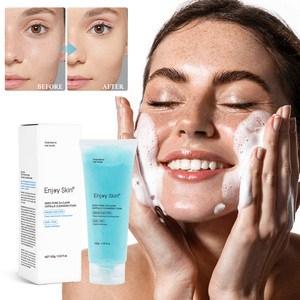
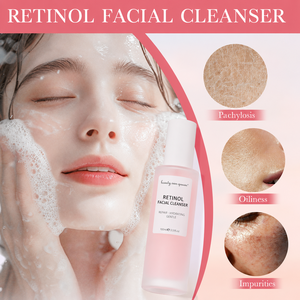
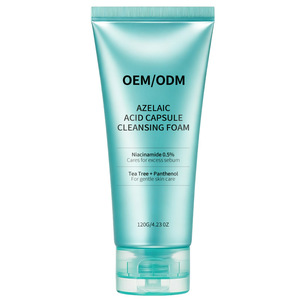
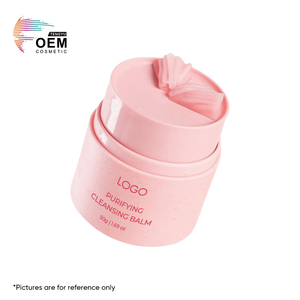
The South African cosmetic landscape presents one of the world's most demanding biophysical testing grounds for skincare formulators. Characterized by high solar irradiance levels ranging from UV indices of 10 to 12+ across the Western Cape and the elevated Highveld plateau (Johannesburg, Pretoria at ~1,700m elevation), skin phenotypes native to this market undergo amplified chronic photo-oxidative stress. Formulating clean skincare for this demographic requires moving beyond conventional "free-from" marketing tropes. It demands rigorous bio-chemical engineering capable of mitigating extreme trans-epidermal water loss (TEWL) during dry winter droughts, counteracting intense post-inflammatory hyperpigmentation (PIH) in Fitzpatrick phototypes III through VI, and withstanding the shipping thermoclines encountered between the Port of Durban, Cape Town, and inland distribution hubs.
Regulatory Compliance Baseline: Formulations must comply simultaneously with South Africa's Foodstuffs, Cosmetics and Disinfectants Act (Act 54 of 1972), the evolving South African Health Products Regulatory Authority (SAHPRA) framework, and CTFA (Cosmetic, Toiletry and Fragrance Association of South Africa) safety standards. Because South African standards align closely with European Cosmetics Regulation (EC) No 1223/2009, our Istanbul-based GMP manufacturing provides an instant, turn-key regulatory bridge for rapid commercial registration.
Formulators targeting South African retail chains (Woolworths, Clicks, Dis-Chem) must account for stark regional microclimates. Gauteng's winter air exhibits relative humidity dropping below 20%, drawing interstitial moisture outward through disrupted stratum corneum layers. Conversely, the KwaZulu-Natal coastline experiences sustained 80%+ humidity coupled with elevated atmospheric saline levels. A single baseline formula cannot rely on heavy, occlusive petroleum by-products, which cause widespread comedogenesis and follicular occlusion in hot conditions.
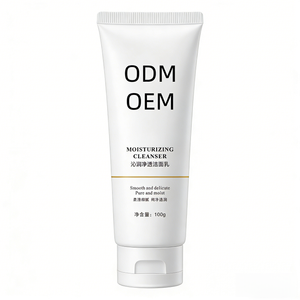
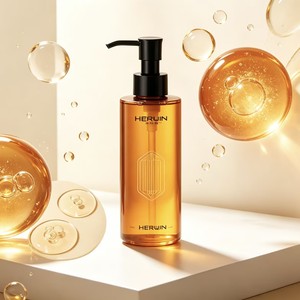
Our formulation laboratory replaces heavy occlusives with multi-lamellar biomimetic emulsions: vegetable squalane, poly-glycerol esters, phytosterols, and bio-fermented amino acid surfactant matrices. Products like our Gentle Moisturizing Amino Acid Cream Cleanser and Amber Triple Amino Acid Cleansing Oil remove mineral sunscreens and sebum without compromising the ceramides essential for retaining moisture against the dry Highveld air.
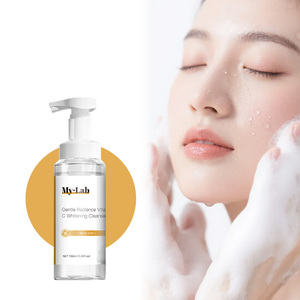
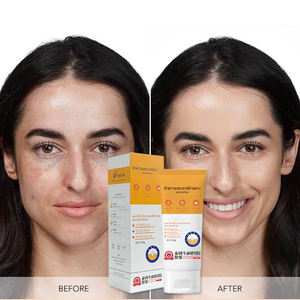
Fitzpatrick skin types common across South Africa exhibit hyper-reactive melanocyte activation following barrier disruption. Our formulations incorporate stabilized ethyl ascorbic acid, niacinamide, and PHA to promote non-inflammatory cellular turnover without triggering secondary hyperpigmentation.
Eliminating SLS/SLES is crucial for sensitive African skin profiles. We deploy potassium cocoyl glycinate and lauryl glucoside to create micro-foaming properties that cleanse effectively while leaving the cutaneous lipid mantle and resident microflora undisturbed.
Exporting to South Africa requires products to remain stable during shipping transits across equatorial maritime routes. All bulks pass 3-month accelerated thermal stress testing at 45°C and 75% RH, ensuring anti-phase separation and active ingredient preservation.
The modern South African consumer demands authentic synergy between indigenous botanical heritage and clinical efficacy. Sourcing indigenous botanicals locally—such as cold-pressed Marula (Sclerocarya birrea) seed oil, Rooibos (Aspalathus linearis) extract, Kalahari Melon seed oil, and Baobab lipids—carries cultural prestige. However, standard cold-pressed botanicals often suffer from lipid peroxidation, variable polyphenol concentrations, and microbial contamination when processed through sub-scale facilities.
As a global OEM/ODM manufacturer, we bridge this operational gap. We can import certified, batch-traced African active extracts and stabilize them within our ISO 22716 cleanrooms in Istanbul. Utilizing nitrogen-blanketed mixing vessels, vacuum homogenization, and pharmaceutical-grade carrier delivery vehicles, we formulate indigenous plant actives into clinically validated serums, cleansing balms, and emulsions that meet both European export benchmarks and local clean beauty standards.
From custom formulation chemistry to automated primary packaging and export compliance, Rowe Cosmetics delivers the scale, regulatory backing, and operational consistency essential for competing on department store shelves across Southern Africa.
Manufactured inside our automated plant in Esenyurt, Istanbul. Strict adherence to international Good Manufacturing Practices guarantees zero batch-to-batch variation, full lot traceability, and comprehensive validation for international export audits.
Approximately 95% of all functional surfactants, cosmetic bases, bio-actives, and preservatives are sourced from qualified suppliers across Germany, France, and Switzerland. This ensures total alignment with strict EU 1223/2009 clean beauty thresholds.
Our dedicated cosmetic chemists create custom formulations tailored to your brand's specifications at no development charge for confirmed production partners. We adjust textures, sensorial profiles, and clean active concentrations until your lab sample is approved.
Whether launching an initial direct-to-consumer pilot or servicing widespread retail commitments across South Africa, our automated multi-head filling and packaging lines scale from modest MOQs up to 1.2 million units monthly without operational delays.
Meet South Africa's diverse ethical and cultural market demographics. Our manufacturing infrastructure is vetted and certified by The Vegan Society and recognized Halal auditing bodies, expanding your retail distribution potential.
Benefit from Turkey's strategic geographic hub. We coordinate freight forwarding, sea container loading (FCL/LCL) directly to Durban and Cape Town ports, and provide comprehensive customs dossiers to ensure smooth South African SARS border clearance.
Key technical, regulatory, and logistics answers for skincare brand founders, retail buyers, and distribution executives sourcing contract cosmetics.
South Africa's cosmetic regulatory architecture references the EU Regulation (EC) No 1223/2009 closely under the Foodstuffs, Cosmetics and Disinfectants Act (Act 54 of 1972). Because our formulations are engineered to EU standards, we provide full Product Information Files (PIF), comprehensive toxicological profiles, Certificate of Analysis (CoA), Stability Reports, and INCI declarations ready for local Responsible Person (RP) submission.
Our production lines are engineered for agile modularity. While standard private label SKU manufacturing begins from low minimum run tiers for established base formulas, custom contract synthesis (OEM) and custom packaging typically start around 1,000 to 3,000 units per variant. This structure allows emerging South African brands to manage working capital while maintaining access to industrial-grade automated filling.
Yes. Through our Custom Cosmetic Formulation & R&D service, South African brand partners can supply certified raw extracts or have our procurement network source pharmacopeia-grade African oils. Our laboratory ensures these botanical actives are homogenized under inert atmospheric conditions to prevent premature oxidation and maintain polyphenol bio-potency.
Shipments crossing the equator to Southern Africa experience elevated temperatures inside cargo containers. To guarantee structural stability, all our bulk products undergo accelerated freeze-thaw challenge cycles (-5°C to +45°C) alongside real-time centrifuge stress testing. This ensures creams, lipid balms, and emulsions will not separate, melt, or precipitate during oceanic transit or warehouse storage.
We supply a complete export logistics package with every container or air consignment: commercial invoices mapped to specific HS tariff codes (typically Chapter 33), packing lists, EUR.1 movement certificates or Certificates of Origin, Safety Data Sheets (SDS) conforming to GHS criteria, and microbiological test clearances, facilitating smooth customs processing through SARS at entry ports.
Yes. Clean beauty positioning in South Africa increasingly requires sustainable packaging solutions. We source and fill across a broad spectrum of sustainable components, including post-consumer recycled (PCR) plastics, recyclable amber glass to preserve photo-labile actives, aluminum tubes, and metal-free recyclable dispenser pumps, all tested for formula compatibility.