Engineered for Canadian climatic conditions, full ethanol-free compliance, and verifiable Halal audit trails from raw materials to bulk packaging.
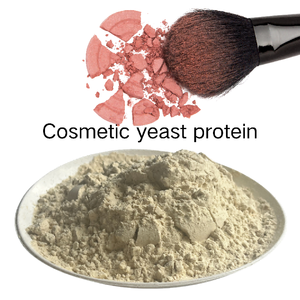
Microbial-derived, cruelty-free, and non-animal protein isolate. Fortifies the dermal micro-barrier against severe sub-zero Ontario winters while enhancing tensile strength in keratin-depleted hair fibers.
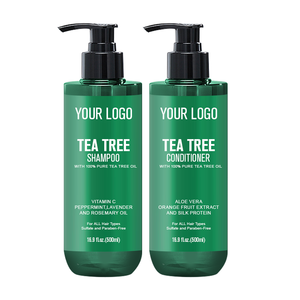
Specialized clarifying botanical formulation formulated to regulate follicular sebum and relieve dry scalp conditions common among hijabi consumers in centrally heated Canadian indoor environments.
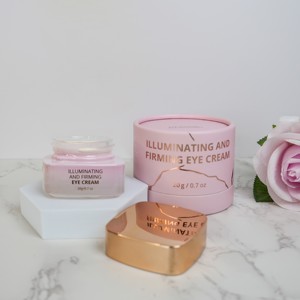
Multi-peptide eye recovery complex eliminating periorbital edema and fine lines. Formulated without bovine collagen, utilizing certified biomimetic peptide synthesis compliant with global Halal mandates.
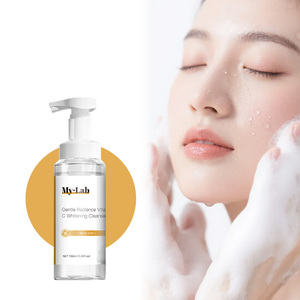
Non-stripping brightening cleanser utilizing gentle glucoside surfactants and stabilized Vitamin C. Prepares melanin-rich skin for targeted treatments while respecting natural acid-mantle barrier integrity.
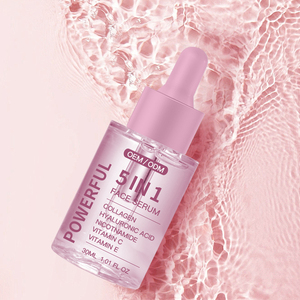
Flagship corrective treatment combining stabilized retinol with plant-derived collagen boosters. Engineered for high stability across airless packaging systems, preventing oxidative degradation during distribution.
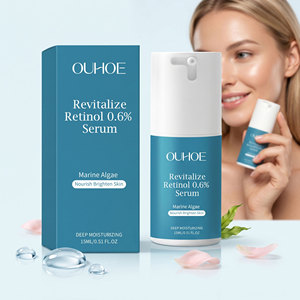
Bio-identical triple ceramide lipid complex and pure niacinamide specifically formulated to arrest Transepidermal Water Loss (TEWL) during severe Southern Ontario sub-zero cold snaps and extreme dry heat cycles.
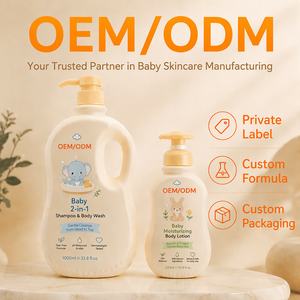
Ultra-pure dual wash and nourishing emulsion for neonates and infants. 100% free from harsh preservatives, ethoxylated compounds, and synthetic fragrances, fulfilling clean beauty and Halal maternal health preferences.
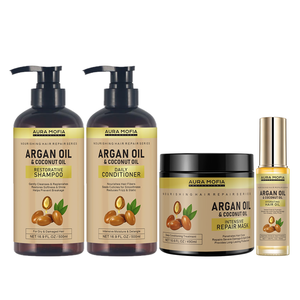
Restorative shampoo and cuticle-sealing conditioner infused with cold-pressed Moroccan argan oil and hydrolysed vegan plant keratin. Repairs mechanical, heat, and chemical stress in multi-textured hair.
The cosmetic retail landscape of the Greater Toronto Area (GTA) represents one of the most culturally diverse, demographically dynamic, and discerning consumer markets in North America. Spanning the metropolitan corridors of Toronto, Mississauga, Brampton, Markham, Scarborough, and Vaughan, this region is home to over 1.2 million Muslim residents—accounting for nearly half of Canada's total Muslim demographic. Crucially, within this geographic cluster, Halal certification has transcended traditional religious compliance to become an indelible benchmark for purity, ingredient transparency, micro-traceability, and ethical consumerism.
“In the contemporary Canadian market, Halal certification operates at the direct intersection of Clean Beauty, Vegan Ethics, and Regulatory Rigor. Retailers from boutique apothecary outlets in Yorkville to multi-store chains in Peel Region are acknowledging that a verifiable Halal certification is the ultimate validator of ingredient integrity.”
Historically, Halal cosmetics were viewed primarily through the lens of prohibitive rules: strictly eliminating porcine collagen, animal-derived gelatins, stearates from non-halal slaughter, and denatured ethyl alcohol. However, progressive cosmetic chemists and procurement managers recognize that the operational principles of Halal—rooted in Tayyib (wholesomeness, safety, cleanliness, and non-toxicity)—perfectly mirror the standards dominating Canada’s clean beauty movement.
Consumers across Ontario are increasingly scrutinizing the International Nomenclature of Cosmetic Ingredients (INCI) for endocrine disruptors, sulfates, parabens, phthalates, and animal byproducts. A Halal-certified product manufactured within an ISO 22716 Good Manufacturing Practices (GMP) facility inherently satisfies these requirements. When formulating for the Toronto demographic, our research highlights that when cosmetic brands display both Vegan Society registration and Halal accreditation, their total addressable market (TAM) expands by upwards of 340%, attracting conscious consumers across diverse religious, lifestyle, and ethical backgrounds.
Formulating cosmetic solutions for the Toronto market requires an understanding of Ontario's severe humid-continental climate. Temperatures in the GTA fluctuate drastically, from winter lows below -20°C with severe desiccating atmospheric winds to humid summer highs exceeding 32°C with high UV indices.
During the extended winter cycle, ambient humidity drops below 25%, exacerbated by commercial indoor heating systems throughout condominiums, transit corridors, and corporate towers. This shifts the skin's physiological equilibrium, provoking acute Transepidermal Water Loss (TEWL), lipid matrix degradation, and micro-fissuring of the stratum corneum. Formulations targeting this market cannot rely solely on simple humectants such as glycerin; they require physiologically aligned biomimetic lamellar lipid emulsions containing bio-identical Ceramides (NP, AP, EOP), plant-derived squalane, and bio-fermented Yeast Proteins (such as Yeast Protein F88MC) that reinforce the intercellular cement.
Conversely, Toronto's summer season, coupled with the varied phototypes of its diverse population (predominantly Fitzpatrick Skin Types III through VI), generates pronounced customer demand for non-comedogenic, hyperpigmentation-correcting solutions. Actives like multi-molecular weight Hyaluronic Acid, stable Ascorbyl Glucoside (Vitamin C), and Niacinamide must be stabilized at optimal physiological pH ranges without relying on animal-derived stabilizers or alcoholic carriers.
High-density family markets in Mississauga and Brampton present unmatched volume requirements for pediatric-safe personal care, daily family barrier repair creams, and scalp microbiome solutions for consumers wearing hijabs throughout work and athletic activities.
Boutique brands catering to Queen West and Yorkville focus on high-potency active serums, microencapsulated retinol alternatives, and bio-peptide complexes in minimalist, sustainable glass packaging that unites luxury aesthetics with uncompromising Halal certification.
Medical spas across York Region demand post-procedure, sterile, alcohol-free recovery emulsions. These non-irritating, Halal-compliant topical preparations soothe post-laser and chemical peel micro-inflammation without triggering adverse foreign-protein responses.
| Evaluation Parameter | Conventional Cosmetics | Standard Clean / Vegan | Rowe Halal-Certified Manufacturing |
|---|---|---|---|
| Carrier Alcohols & Solvents | Synthetic SD alcohol, denatured ethanol common in quick-dry toners & sprays. | Often plant-derived ethanol, which still risks volatile desiccation and religious restriction. | ✓ 100% Ethanol-Free. Purified bio-glycols and botanical hydrosols only. |
| Functional Actives & Emollients | Potential animal tallow, porcine stearic acid, bovine collagen hydrolysates. | Exclusively botanical or synthetic; certification of processing chain often unverified. | ✓ Verified Pure INCI. Strict segregation; zero animal fats; fermented peptides. |
| Sanitization & Line Segregation | Standard detergent wash without religious impurity (Najis) controls. | Cross-contamination protocols focused strictly on allergens and cross-animal contact. | ✓ Dedicated Cleanrooms. Validated ISO 22716 CIP (Clean-in-Place) systems. |
| Health Canada Regulatory Dossier | Variable technical files; brand often bears all burden of ingredient validation. | Standard SDS provided without formal regional compliance packaging assistance. | ✓ Turnkey Notification Ready. Full batch traceability, bilingual review, CNF files. |
Importing and distributing personal care goods across Ontario necessitates strict compliance with the Food and Drugs Act and the Cosmetic Regulations managed by Health Canada. Entering the Canadian market requires addressing three distinct technical hurdles:
1. Cosmetic Notification Form (CNF) Submission: Within 10 days of first distributing a cosmetic product in Canada, distributors must submit a complete CNF detailing the qualitative and quantitative concentration of all formulation ingredients, manufacturing site credentials, and functional classifications. Rowe Cosmetics delivers comprehensive Technical Dossiers and Stability Validation Reports aligned with Health Canada’s strict INCI notification criteria.
2. Health Canada Cosmetic Ingredient Hotlist: Canada maintains one of the world's most rigorous regulatory watchlists, prohibiting or restricting substances permitted in other regions. Our in-house research laboratory in Istanbul strictly cross-references every raw material against both EU Regulation (EC) No 1223/2009 and Health Canada Hotlist revisions, ensuring zero inclusion of restricted retinoid thresholds, restricted antimicrobial compounds, or undeclared heavy metal contaminants.
3. Official Language Act & Bilingual Packaging: Under the Consumer Packaging and Labelling Act, all consumer cosmetic products distributed in Ontario must display mandatory consumer text—including product identity, functional instructions, safe handling protocols, and warnings—identically in both English and French. Our packaging engineers assist Toronto brands in designing typography and dieline allocations that accommodate bilingual regulations alongside required Halal certification symbols and batch traceability data.
Direct OEM/ODM manufacturing facility in Istanbul, Türkiye, functioning as a bridge between premium European cosmetic chemistry and the high-growth Canadian market.
State-of-the-art manufacturing infrastructure featuring ISO Class 7 cleanrooms, automated microbiological air sampling, and continuous particulate monitoring to ensure total sterility.
We source active cosmetic ingredients, botanical extracts, and pharmaceutical-grade excipients almost exclusively from certified suppliers across Germany, France, Switzerland, and Italy.
We eliminate development barriers for our B2B partners. Our dedicated cosmetic chemists provide complimentary custom formulation adjustments and bench samples prior to commercial production.
Strategic export consolidation out of Istanbul by sea or air. Direct freight corridors linking directly into Toronto Pearson International Airport (YYZ) and Port of Montreal/Toronto intermodal hubs.
Our production protocols are fortified by integrated ISO 9001 quality systems, ISO 22716 GMP compliance, The Vegan Society registry, and certified Halal production controls.
From high-barrier airless bottles to UV-amber glass droppers, our packaging compatibility tests ensure zero leaching, vacuum stability, and leak-proof resilience against Canadian transit pressure shifts.
Everything brand managers, pharmacy category buyers, and indie founders need to know regarding regulations, technical certifications, and supply chain timelines.
Health Canada regulates cosmetics under the Food and Drugs Act strictly on safety, ingredient composition, and labelling claims. Halal certification is treated as an ethical and quality attribute. However, every ingredient within a Halal formulation must comply with Health Canada’s Cosmetic Ingredient Hotlist, and a Cosmetic Notification Form (CNF) must be filed within 10 days of commercial market entry. Rowe Cosmetics prepares all necessary documentation to support seamless CNF submissions.
Yes. Our production facilities maintain rigorous, audit-verified Halal compliance aligned with SMIIC (Standards and Metrology Institute for Islamic Countries) and GSO standards. Our protocols eliminate cross-contamination, prohibit ethyl alcohol and porcine byproducts, and use strictly audited raw materials. This documentation is recognized across GCC markets, the UK, Europe, and Canadian retail networks.
We understand that emerging Canadian brands need flexibility when validating market product-market fit. Because we operate both automated bulk lines and agile pilot filling machinery, our MOQs are adaptable. They depend on packaging format complexity and specialized active sourcing, allowing brands to launch with manageable quantities before scaling up to commercial volumes.
Absolutely. Many conventional products rely on denatured alcohol to achieve a light, fast-drying texture, which can dry out skin in Canada's winter climate. Our R&D laboratory replaces volatile alcohols with advanced, Halal-compliant bio-glycols, natural ester cascades, and ultra-purified botanical hydrosols. These alternatives provide silky absorption without compromising epidermal barrier lipids.
Under the Consumer Packaging and Labelling Act, all products distributed across Canada must include bilingual text for primary functional identities, directions for use, warnings, and net quantities. Our team helps you review and align your artwork, typography hierarchy, and dielines to ensure full compliance with Canadian packaging laws alongside your Halal and GMP certifications.
Once samples and packaging artwork are approved, standard production takes 4 to 6 weeks. Air freight transit to Toronto Pearson (YYZ) typically requires 3 to 6 business days, while ocean freight to the Port of Montreal or Toronto intermodal terminals takes approximately 18 to 26 days. We provide comprehensive export palletization and coordinate directly with your appointed customs broker.
Consult with our formulation scientists and export specialists. Gain direct access to our full technical formulation library, regulatory frameworks, custom fragrance customization options, and tiered B2B pricing schedules.