Manufactured in our audited ISO 22716 GMP facility in Istanbul. Export-grade cosmetic formulations and active botanical compounds tested for global distribution across Europe, North America, and the Gulf region.


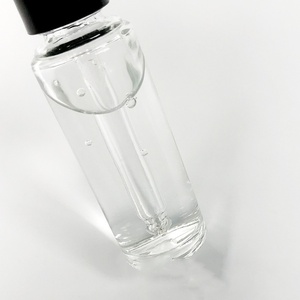
Deconstructing the legal safety framework for exporting ambient scent delivery systems into European, British, and North American consumer retail channels.
In the evolving landscape of global ambient fragrance distribution, sourcing CE-certified and regulation-compliant reed diffusers has transcended basic aesthetic appeal to become a rigorous exercise in chemical safety engineering and toxicological verification. While traditional electrical diffusers fall under the Low Voltage Directive (LVD 2014/35/EU) and Electromagnetic Compatibility Directive (EMC 2014/30/EU), passive reed diffusers entering the European Union and associated Western markets are regulated under the overarching General Product Safety Regulation (GPSR EU 2023/988), the Classification, Labelling and Packaging (CLP) Regulation ((EC) No 1272/2008), and the Registration, Evaluation, Authorisation and Restriction of Chemicals framework (REACH EC No 1907/2006). For corporate procurement teams, department store buyers, and private label brand owners, partnering with an industrial manufacturer capable of providing comprehensive technical documentation, analytical GC-MS profiles, and automated batch traceability is the primary defense against border seizures, regulatory recalls, and commercial liability.
A compliant reed diffuser assembly consists of three interdependent elements: the liquid chemical matrix (carrier solvent blended with concentrated aromatic compounds), the capillary delivery substrate (rattan vascular conduits or engineered porous synthetic fibers), and the hermetic containment vessel (flint glass treated for UV photolytic stability). Our manufacturing headquarters in Esenyurt, Istanbul bridges the geographical divide between European chemical compliance and high-capacity manufacturing agility. Operating under audited ISO 22716 Cosmetics GMP and ISO 9001 quality management protocols, Rowe Cosmetics engineers every batch to satisfy the 51st Amendment of the International Fragrance Association (IFRA) standards, ensuring that volatile organic compound (VOC) levels remain well below national statutory limits while preventing dermal sensitization and aquatic ecotoxicity.
Automated generation of bilingual 16-point Safety Data Sheets (SDS), hazard pictograms (GHS07, GHS09), and tactile danger warnings for EU retail shelf validation.
Formulation auditing against Category 10A (diffusers with passive reed action), strictly controlling restricted allergens such as Lilial, Lyral, and oakmoss extracts.
Pensky-Martens closed-cup flash point determination ensuring carrier mixtures exceed 61°C to avoid dangerous goods (ADR/IATA) shipping surcharges.
Tested in accordance with EN 16516 chamber testing standards, validating clean indoor air performance without hazardous aromatic hydrocarbons.
Comparative evaluation of volatile evaporation curves, olfactory lift efficiency, and sustainable solvency systems.
The operational longevity and olfactory sillage of a premium reed diffuser are fundamentally dictated by the chemical architecture of its carrier solvent. Historically, commercial contract manufacturers relied heavily on petrochemical-derived glycol ethers, such as dipropylene glycol methyl ether (DPM), tripropylene glycol methyl ether (TPM), or pure denatured ethyl alcohol. While ethanol-based formulations provide an immediate explosive olfactory burst ("top-note flash"), their hyper-accelerated evaporation profile depletes the liquid volume within 15 to 20 days, causing intense fragrance peaks followed by rapid degradation. Conversely, heavy glycol ethers often exhibit an inherent industrial odor profile that clashes with subtle floral or gourmand notes, and they suffer from high viscosity that hinders capillary draw through organic reed channels.
To overcome these fluid dynamic bottlenecks, our R&D laboratory prioritizes bio-based, sustainable solvent technologies—specifically isopropylideneglycerol (commercially known as Augeo Clean Multi) and 3-methoxy-3-methyl-1-butanol (MMB). Sourced from renewable plant-derived glycerin, Augeo represents a technological breakthrough for private label brand owners. It features an exceptionally low vapor pressure (0.04 mmHg at 20°C), a slow and steady linear evaporation rate over 90 to 120 days, high solvency power capable of dissolving up to 25% fragrance oil loads without clouding or phase separation, and zero hazardous VOC footprints under EU and California CARB regulations.
| Carrier Solvent Matrix | Chemical Family | Evaporation Curve | Fragrance Solubility | Eco-Toxicity & VOC Status | Flash Point Rating |
|---|---|---|---|---|---|
| Augeo Clean Multi | Bio-based Ketal (Glycerin) | Linear / Controlled (90-120 days) | Excellent (≤ 25% oil load) | Zero VOC / Readily Biodegradable | 91°C (Non-hazardous freight) |
| MMB (Kuraray) | Specialty Methoxy Alcohol | Linear / Moderate (75-90 days) | Superior (≤ 30% oil load) | Low VOC / Low toxicity | 68°C (Combustible / Non-ADR) |
| DPM / Glycol Ether | Petroleum Ether Glycol | Biphasic / Unsteady (45-60 days) | Moderate (≤ 15% oil load) | Moderate VOC / Aquatic caution | 75°C (Standard shipping) |
| Denatured Ethanol Matrix | Volatile Alcohol (Ethanol) | Hyper-Rapid (< 25 days) | Good (≤ 12% oil load) | High VOC / Photochemical smog | 14°C (Class 3 Flammable Liquid) |
In conjunction with carrier optimization, reed wick morphology is engineered for specific scent release profiles. While traditional Indonesian porous rattan reeds rely on natural xylem tubes (which can suffer from resin clogging and directional sap calcification), our industrial offerings include engineered microfiber polyester (terylene) synthetic reeds. These manufactured synthetics feature uniform longitudinal pore distribution, 100% capillary saturation within 2 hours of insertion, zero mold vulnerability in humid bathroom environments, and colorfast dye chemistry that prevents bleeding into light-colored fragrance solutions.
Strategic supply chain transitions toward circular packaging, neuro-olfactive active perfumery, and automated private label production.
Procurement directors and sourcing executives are navigating a profound transition in commercial fragrance purchasing. The luxury and mass-prestige home scent sectors are no longer evaluated solely on visual packaging; institutional buyers must now align with evolving European Union Corporate Sustainability Due Diligence Directives (CSDDD) and the Ecodesign for Sustainable Products Regulation (ESPR). As we project procurement requirements through 2030, five core mega-trends are dictating factory audits and contract manufacturer selections worldwide:
Retailers are actively delisting single-use luxury diffusers in favor of modular systems. High-density aluminum refill canisters and multi-barrier stand-up pouches (delivering an 80% plastic reduction) are witnessing a 44% year-over-year procurement expansion, lowering international freight weight by over 60% per unit.
Consumers expect therapeutic utility beyond passive perfuming. Formulations enriched with clinically documented terpene fractions (such as linalool, alpha-pinene, and beta-caryophyllene) designed to stimulate cognitive calm, circadian regulation, or mental focus are securing top-tier retail placement across lifestyle and wellness brands.
Major multinational retailers (including Sephora, Target, and Douglas) enforce strict formulation blacklists prohibiting synthetic phthalate plasticizers (DEP), nitro-musks, polycyclic musks (Galaxolide), and synthetic BHT preservatives. Modern procurement mandates clean, plant-derived, or sustainable aromatic molecules.
In addition to formulation purity, sustainable packaging has evolved from a marketing differentiator into a regulatory baseline. Procurement specifications increasingly require heavy flint glass bottles manufactured with at least 30% to 50% post-consumer recycled (PCR) cullet, FSC-certified unbleached outer cartons printed with soy inks, and bio-based resin closures replacing petroleum phenolic caps. At Rowe Cosmetics, our turnkey supply chain manages the end-to-end integration of these sustainable components directly from European glassworks and mold specialists, eliminating vendor fragmentation for our wholesale partners.
How our integrated Istanbul plant powers retail programs with pharmaceutical-grade consistency and optimized freight logistics.
Equipped with volumetric pneumatic filling systems, automated plug insertion, high-torque capping, and precision label application, delivering an output of 40,000 finished units daily and over 1.2 million units monthly without manual variance.
Our on-site facility runs Gas Chromatography-Mass Spectrometry (GC-MS), automated refractometers, rotational viscometers, and thermal cycling chambers (-10°C to +50°C for 12 weeks) to verify physical stability, fragrance clarity, and flash point verification.
Situated in Esenyurt, Istanbul, our facility provides overland TIR truck transit to EU retail hubs (Germany, UK, Netherlands) within 4 to 7 business days, alongside direct deep-sea maritime access to North America and rapid air freight to the GCC states.
From olfactory brief and stability validation to customs clearance and palletized warehouse delivery.
Definition of target demographic, olfactive families (woody, floral, oriental, fresh), target price-point, volume forecasts, and target destination jurisdictions (EU, UK, US, GCC).
Our cosmetic chemists formulate candidate prototypes utilizing our 95% European raw material library. Bench samples are delivered to the client for evaporation rate and throw testing.
Thermal cycling tests (-10°C, 25°C, 50°C), UV photostability chamber exposure, and compatibility verification between carrier solvent, bottle coatings, inner stoppers, and reeds.
Preparation of 16-point bilingual SDS sheets, CLP compliant label text (warning statements, UFI codes, allergen declarations), and structural packaging die-line validation.
Production on our automated lines under ISO 22716 GMP. Precision bottle washing, nitrogen purging (if required), volumetric filling, automated capping, and cello-wrapping.
Heavy-duty export corrugated boxing, Euro-pallet wrapping with corner guards, customs clearance documentation (ATR / EUR.1 / Certificate of Origin), and dispatch.
Clear, technical, and regulatory answers addressing commercial terms, formulation ownership, chemical safety, and global export logistics.
Consult with our Istanbul-based export and formulation engineering team. Receive complimentary bench samples, full regulatory compliance audits, and transparent factory-direct pricing for your brand's next launch.